Vitex scabra
Vitex scabra · Accepted scientific name
Scientific literature: Very Sparse (13 studies) · ★☆☆☆☆
Vitex scabra, scientifically known as Vitex scabra, is a medicinal shrub native to Southeast Asia, celebrated in traditional healing. Rich in bioactive compounds, it is frequently utilized for its anti-inflammatory and antimicrobial properties. This versatile plant plays a crucial role in treating various ailments, supporting holistic wellness and natural pharmacology.
- Family
- Lamiaceae
- Native range
- Asia-Tropical
- Parts used
- Stem
- Common names
- Not available
- Scientific synonyms
- Not available
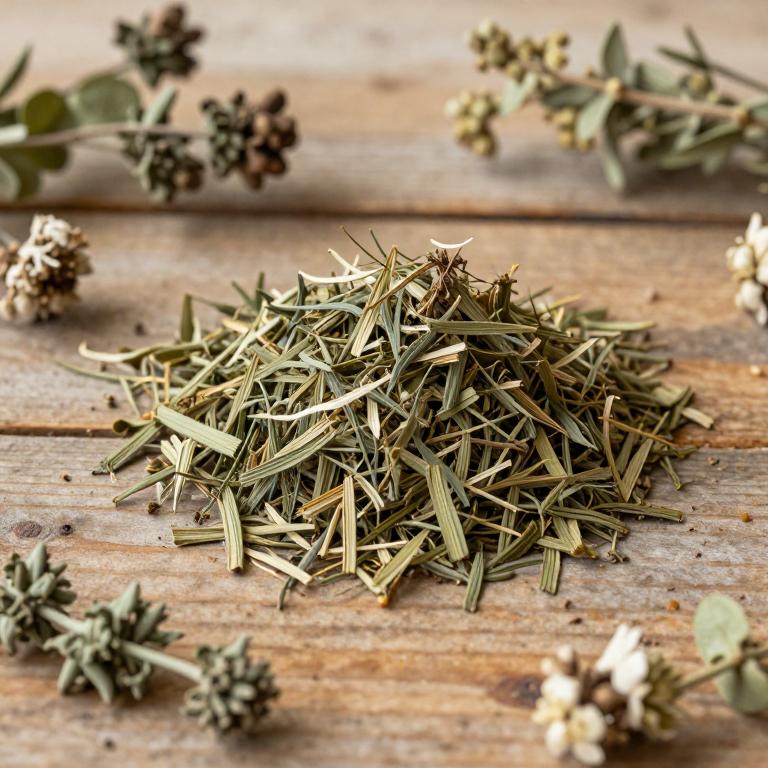
Names and Synonyms
Scientific Names
Accepted name
Vitex scabraSources: Wikidata
Taxonomical Classification
This plant, Vitex scabra, belongs to the kingdom Plantae and is classified within the phylum Streptophyta and class Equisetopsida. It falls under the subclass Magnoliidae and the order Lamiales, specifically within the family Lamiaceae. Its taxonomic placement is further refined by its assignment to the genus Vitex.
| Rank | Classification |
|---|---|
| Kingdom | Plantae |
| Phylum | Streptophyta |
| Class | Equisetopsida |
| Subclass | Magnoliidae |
| Order | Lamiales |
| Family | Lamiaceae |
| Genus | Vitex |
Sources: The World Checklist of Vascular Plants (WCVP)
Distribution
This plant is naturally found within specific regions of the Indo-China peninsula. Its geographical range is primarily concentrated in certain parts of Cambodia. Additionally, the species can be located within the borders of Myanmar. These locations represent the documented areas where the plant thrives in the wild. Consequently, its distribution is limited to these particular Southeast Asian territories.
| Region | Area |
|---|---|
| Indo-China | Cambodia |
| Indo-China | Myanmar |
Sources: The World Checklist of Vascular Plants (WCVP)
Plant Parts
Vitex scabra has 1 reported plant parts identified across 1 scientific publications and several other databases that are studied for medicinal purposes. The most consistently reported plant part include stem.
| Plant part | Supporting sources | Consensus |
|---|---|---|
| Stem | 1 supporting sources | ★☆☆☆☆ |
Stem
- Journal of natural products
Chemicals
Vitex scabra has 12 reported phytochemicals identified across 1 scientific publications and several other databases. The most consistently reported chemicals include 11alpha-hydroxyecdysone, 20,26-Dihydroxyecdysone, 20-HYDROXYECDYSONE, 24-epi-Abutasterone, 24-epi-Makisterone A.
| Chemical | Supporting sources | Consensus |
|---|---|---|
| 11alpha-hydroxyecdysone | 1 supporting sources | ★☆☆☆☆ |
| 20,26-Dihydroxyecdysone | 1 supporting sources | ★☆☆☆☆ |
| 20-HYDROXYECDYSONE | 1 supporting sources | ★☆☆☆☆ |
| 24-epi-Abutasterone | 1 supporting sources | ★☆☆☆☆ |
| 24-epi-Makisterone A | 1 supporting sources | ★☆☆☆☆ |
| Ajugasterone C | 1 supporting sources | ★☆☆☆☆ |
| Calonysterone | 1 supporting sources | ★☆☆☆☆ |
| Pinnatasterone | 1 supporting sources | ★☆☆☆☆ |
| Polypodine b | 1 supporting sources | ★☆☆☆☆ |
| Pterosterone | 1 supporting sources | ★☆☆☆☆ |
11alpha-hydroxyecdysone
- Journal of natural products
20,26-Dihydroxyecdysone
- Journal of natural products
20-HYDROXYECDYSONE
- Journal of natural products
24-epi-Abutasterone
- Journal of natural products
24-epi-Makisterone A
- Journal of natural products
Ajugasterone C
- Journal of natural products
Calonysterone
- Journal of natural products
Pinnatasterone
- Journal of natural products
Polypodine b
- Journal of natural products
Pterosterone
- Journal of natural products
Preparations
Vitex scabra has 1 reported preparations identified across 1 scientific publications and several other databases. The most consistently reported preparations include stem bark.
| Preparation | Supporting sources | Consensus |
|---|---|---|
| Stem bark | 1 supporting sources | ★☆☆☆☆ |
Stem bark
- Journal of natural products