heart's delight
Viola · Accepted scientific name
Scientific literature: Very Sparse (28 studies) · ★☆☆☆☆
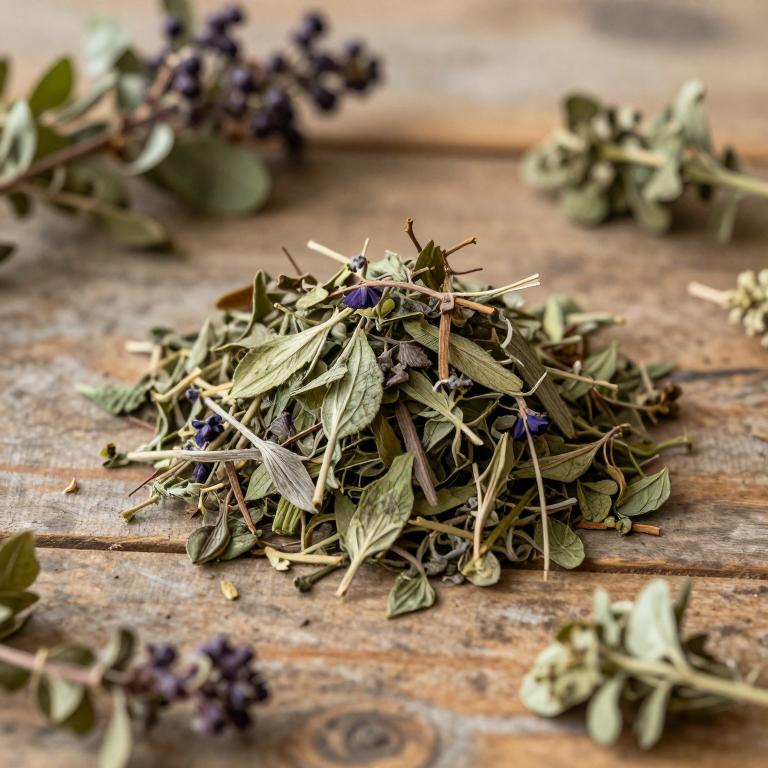
Heart's delight, scientifically known as Viola, is a versatile genus of flowering plants celebrated for both beauty and healing. Renowned for its delicate blooms, this medicinal herb offers soothing properties, often used to calm inflammation and support respiratory health, making it a timeless treasure in traditional herbal wellness practices.
- Family
- Violaceae
- Native range
- Europe
- Parts used
- Not available
- Common names
- Violets · Viola Skippers
- Scientific synonyms
- Ion · Chrysion · 7 more
Names and Synonyms
Common Names
- Violets
- Viola Skippers
Scientific Names
Accepted name
ViolaSynonyms
- Ion
- Chrysion
- Dischidium
- Lophion
- Erpetion
- Oionychion
- Crocion
- Mnemion
- Grammeionium
Regional and Traditional Names
Spanish:
- Erpetion
- Violeta
- Mnemion
- Viola (Pyrginae)
- violetas
German:
- Veilchen
- Viole
- Veilchenblütentee
- Violen
French:
- Violette
- Pensée
- Violettes et pensées
- Viola (Pyrginae)
- violette
- Violettes et Pensées
Sources: Wikidata, Catalogue of Life
Taxonomical Classification
This plant belongs to the kingdom Plantae and the phylum Streptophyta, falling under the class Equisetopsida and subclass Magnoliidae. Within the order Malpighiales, it is classified under the family Violaceae. Ultimately, it is identified by the genus Viola.
| Rank | Classification |
|---|---|
| Kingdom | Plantae |
| Phylum | Streptophyta |
| Class | Equisetopsida |
| Subclass | Magnoliidae |
| Order | Malpighiales |
| Family | Violaceae |
| Genus | Viola |
Sources: The World Checklist of Vascular Plants (WCVP)
Distribution
This plant is widely distributed across various regions within Northern Europe. It can be found growing in the landscapes of Denmark and Finland. Its presence also extends to the island of Iceland and the Faroe Islands, known locally as Føroyar. Additionally, the species is commonly documented throughout Great Britain. These specific locations highlight the plant's affinity for Northern European climates.
| Region | Area |
|---|---|
| Northern Europe | Denmark |
| Northern Europe | Finland |
| Northern Europe | Føroyar |
| Northern Europe | Great Britain |
| Northern Europe | Iceland |
| Northern Europe | Ireland |
| Northern Europe | Norway |
| Northern Europe | Svalbard |
| Northern Europe | Sweden |
| Middle Europe | Austria |
Sources: The World Checklist of Vascular Plants (WCVP)
Chemicals
Viola has 5 reported phytochemicals identified across 0 scientific publications and several other databases. The most consistently reported chemicals include Flavonoids, Coumarins, Lignans, Sesquiterpenes, Terpenoids.
| Chemical | Supporting sources | Consensus |
|---|---|---|
| Flavonoids | 2 supporting sources | ★☆☆☆☆ |
| Coumarins | 1 supporting sources | ★☆☆☆☆ |
| Lignans | 1 supporting sources | ★☆☆☆☆ |
| Sesquiterpenes | 1 supporting sources | ★☆☆☆☆ |
| Terpenoids | 1 supporting sources | ★☆☆☆☆ |
Flavonoids
- The Journal of pharmacy and pharmacology
- Evidence-based complementary and alternative medicine : eCAM
Coumarins
- The Journal of pharmacy and pharmacology
Lignans
- The Journal of pharmacy and pharmacology
Sesquiterpenes
- The Journal of pharmacy and pharmacology
Terpenoids
- Evidence-based complementary and alternative medicine : eCAM
Activities
Viola has 12 reported activities identified across 0 scientific publications and several other databases. The most consistently reported activities include Anthelmintic, Antioxidant, Neuroprotective, Analgesic, Anti-Itching.
| Activity | Supporting sources | Consensus |
|---|---|---|
| Anthelmintic | 2 supporting sources | ★☆☆☆☆ |
| Antioxidant | 2 supporting sources | ★☆☆☆☆ |
| Neuroprotective | 2 supporting sources | ★☆☆☆☆ |
| Analgesic | 1 supporting sources | ★☆☆☆☆ |
| Anti-Itching | 1 supporting sources | ★☆☆☆☆ |
| Antibacterial | 1 supporting sources | ★☆☆☆☆ |
| Anticancer | 1 supporting sources | ★☆☆☆☆ |
| Antihypertensive | 1 supporting sources | ★☆☆☆☆ |
| Antipyretic | 1 supporting sources | ★☆☆☆☆ |
| Antiviral | 1 supporting sources | ★☆☆☆☆ |
Anthelmintic
- Evidence-based complementary and alternative medicine : eCAM
- Frontiers in plant science
Antioxidant
- The Journal of pharmacy and pharmacology
- Evidence-based complementary and alternative medicine : eCAM
Neuroprotective
- The Journal of pharmacy and pharmacology
- Evidence-based complementary and alternative medicine : eCAM
Analgesic
- Evidence-based complementary and alternative medicine : eCAM
Anti-Itching
- Iranian journal of medical sciences
Antibacterial
- The Journal of pharmacy and pharmacology
Anticancer
- Evidence-based complementary and alternative medicine : eCAM
Antihypertensive
- Evidence-based complementary and alternative medicine : eCAM
Antipyretic
- Evidence-based complementary and alternative medicine : eCAM
Antiviral
- The Journal of pharmacy and pharmacology
Conditions
Viola has 6 reported investigations on conditions identified across 0 scientific publications and several other databases. The most consistently reported conditions include asthma, COVID-19, anti-oxidant, fatigue, lung diseases.
| Condition | Supporting sources | Consensus |
|---|---|---|
| Asthma | 2 supporting sources | ★☆☆☆☆ |
| Covid-19 | 1 supporting sources | ★☆☆☆☆ |
| Anti-oxidant | 1 supporting sources | ★☆☆☆☆ |
| Fatigue | 1 supporting sources | ★☆☆☆☆ |
| Lung diseases | 1 supporting sources | ★☆☆☆☆ |
| Ulcers | 1 supporting sources | ★☆☆☆☆ |
Asthma
- Journal of natural products
- Evidence-based complementary and alternative medicine : eCAM
Covid-19
- Medical gas research
Anti-oxidant
- Zhongguo Zhong yao za zhi = Zhongguo zhongyao zazhi = China journal of Chinese materia medica
Fatigue
- Evidence-based complementary and alternative medicine : eCAM
Lung diseases
- Evidence-based complementary and alternative medicine : eCAM
Ulcers
- Journal of natural products
Preparations
Viola has 8 reported preparations identified across 0 scientific publications and several other databases. The most consistently reported preparations include Zufa syrup, aqueous Viola extract, artisanal beers, herbal teas, ice creams.
| Preparation | Supporting sources | Consensus |
|---|---|---|
| Zufa syrup | 1 supporting sources | ★☆☆☆☆ |
| Aqueous viola extract | 1 supporting sources | ★☆☆☆☆ |
| Artisanal beers | 1 supporting sources | ★☆☆☆☆ |
| Herbal teas | 1 supporting sources | ★☆☆☆☆ |
| Ice creams | 1 supporting sources | ★☆☆☆☆ |
| Liqueurs | 1 supporting sources | ★☆☆☆☆ |
| Seasoned food products | 1 supporting sources | ★☆☆☆☆ |
| Sweets | 1 supporting sources | ★☆☆☆☆ |
Zufa syrup
- Medical gas research
Aqueous viola extract
- Journal of ethnopharmacology
Artisanal beers
- Plants (Basel, Switzerland)
Herbal teas
- Plants (Basel, Switzerland)
Ice creams
- Plants (Basel, Switzerland)
Liqueurs
- Plants (Basel, Switzerland)
Seasoned food products
- Plants (Basel, Switzerland)
Sweets
- Plants (Basel, Switzerland)