Vincetoxicum conspicuum
Vincetoxicum conspicuum · Accepted scientific name
Scientific literature: Very Sparse (1 studies) · ★☆☆☆☆
Vincetoxicum conspicuum is a botanical species that has garnered significant scientific interest due to its diverse pharmacological potential. Recent investigations have specifically focused on its antiulcerogenic activities, highlighting its role in gastrointestinal health research. The medicinal properties of the plant are primarily derived from its leaves, which serve as the main source for bioactive compounds. Researchers have evaluated various forms of the plant, including crude extracts, leaf extracts, and specific alkaloid fractions known as TA. Through these diverse preparations, such as TC and TA, the therapeutic efficacy of this species continues to be thoroughly explored.
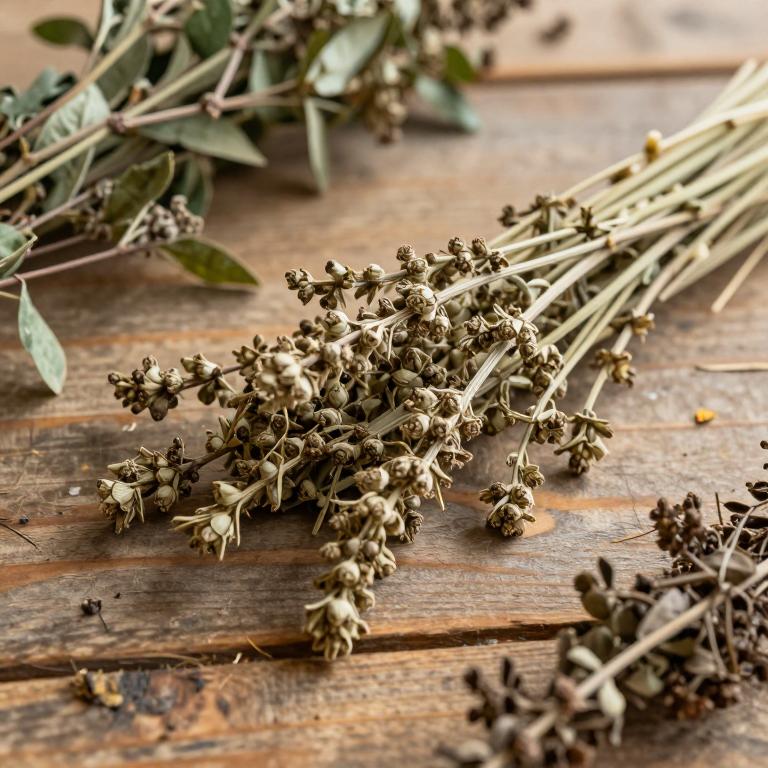
- Synonyms
- Tylophora Conspicua · Tylophora Zenkeri
- Common names
- Not available
- Family
- Apocynaceae
- Distribution
- Africa
- Plant Parts
- Leaf
Classification
Synonyms
Vincetoxicum conspicuum is a plant species that is recognized under several different scientific names within botanical literature. Because of taxonomic shifts, it is frequently identified by the synonym Tylophora conspicua. Researchers also recognize Tylophora zenkeri as another synonymous designation for this particular organism. These overlapping classifications highlight the complex history of how the species has been categorized over time. Understanding these relationships is essential for anyone studying the plant's formal nomenclature.
Sources: The World Checklist of Vascular Plants (WCVP)
Taxonomy
Vincetoxicum conspicuum is a fascinating specimen that belongs to the vast kingdom Plantae. Within this biological realm, it is classified under the class Equisetopsida. The plant is further organized into the order Gentianales, showcasing its specific evolutionary lineage. It resides within the Apocynaceae family, a group known for its diverse botanical characteristics. Ultimately, this species is defined by its membership in the genus Vincetoxicum.
| Rank | Classification |
|---|---|
| Kingdom | Plantae |
| Phylum | Streptophyta |
| Class | Equisetopsida |
| Subclass | Magnoliidae |
| Order | Gentianales |
| Family | Apocynaceae |
| Genus | Vincetoxicum |
Sources: The World Checklist of Vascular Plants (WCVP)
Distribution
Geographic Regions
Vincetoxicum conspicuum is a plant species with a widespread presence across the African continent. Its distribution extends through East Tropical Africa, where it can be found in Kenya, Tanzania, and Uganda. Beyond the eastern regions, the species also thrives within South Tropical Africa. Specifically, it is documented inhabiting the landscapes of both Angola and Malawi. This diverse range highlights the plant's ability to adapt to various ecological niches across the continent.
Sources: The World Checklist of Vascular Plants (WCVP)
Identification
Morphology
Vincetoxicum conspicuum is a climbing plant that relies on an obligatory habit to ascend its surroundings. This specialized growth strategy allows the species to reach a maximum height of approximately 3 meters.
Sources: Global Inventory of Floras and Traits (GIFT)
Biological Activities
Vincetoxicum conspicuum, also known as Tylophora conspicua, has demonstrated significant antiulcerogenic activity in scientific studies. Research involving male albino rats shows that both crude leaf extracts and alkaloid fractions can effectively inhibit gastric ulceration. These extracts even outperformed propranolol in potency when administered at specific dose levels. Furthermore, the plant's ability to reduce gastric acid secretion suggests a clear mechanism for its protective effects. Ultimately, these findings indicate that the antiulcer properties of the species may be primarily driven by the inhibition of gastric acid.
Compounds
Conditions
Vincetoxicum conspicuum, also referred to as Tylophora conspicua, demonstrates significant medicinal potential in treating gastric acid secretion. Research shows that both the crude leaf extract and its alkaloid fraction produce a dose-dependent inhibition of acid output in rats. These extracts are also highly effective at treating indomethacin-induced gastric ulceration. At a dose of 80 mg/kg, the plant extracts were found to completely inhibit the formation of these ulcers. Ultimately, the antiulcer activity of the plant appears to be driven by its ability to inhibit gastric acid.
Preparations
Vincetoxicum conspicuum is processed into several different forms for pharmacological study, including leaf extracts. From these leaf extracts, researchers specifically prepare a crude form referred to as TC. Additionally, an alkaloid fraction known as TA is prepared from the plant material. Both the crude TC and the alkaloid fraction TA demonstrate significant dose-dependent inhibition of gastric ulceration. These distinct preparations allow for a comparative analysis of their antiulcerogenic potencies and effects on gastric acid secretion.
Parts used
Vincetoxicum conspicuum possesses a leaf component that has demonstrated significant therapeutic potential in pharmacological studies. Research into its extracts reveals that both crude forms and specific alkaloid fractions can effectively inhibit gastric ulceration. In animal models, these leaf extracts showed a dose-dependent ability to protect the stomach lining against induced damage. Furthermore, the administration of these extracts significantly decreases gastric acid secretion, even when triggered by histamine. These findings suggest that the plant's antiulcerogenic properties are likely driven by its capacity to regulate acid output.