Vincetoxicum bracteatum
Vincetoxicum bracteatum · Accepted scientific name
Scientific literature: Very Sparse (3 studies) · ★☆☆☆☆
Vinca, scientifically known as Vincetoxicum bracteatum, is a perennial climbing vine native to parts of Asia. Renowned in traditional medicine, this plant contains bioactive alkaloids used to treat various ailments. Research explores its potential pharmacological properties, particularly its role in regulating physiological processes and its diverse therapeutic applications.
- Family
- Apocynaceae
- Native range
- Asia-Tropical
- Parts used
- Leaf
- Common names
- Not available
- Scientific synonyms
- Cynanchum Flavens · Cynanchum Bracteatum · 2 more
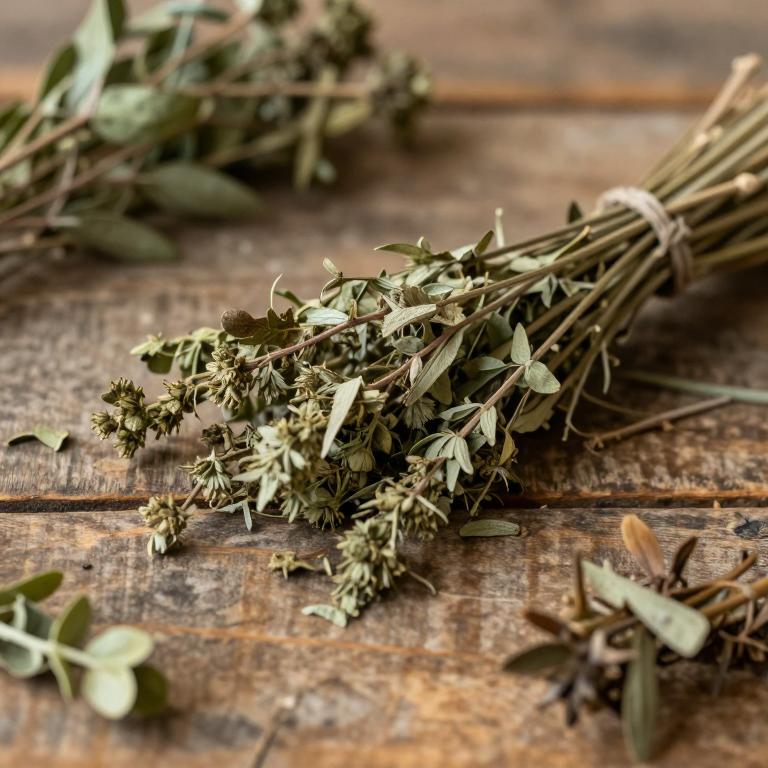
Names and Synonyms
Scientific Names
Accepted name
Vincetoxicum bracteatumSynonyms
- Cynanchum flavens
- Cynanchum bracteatum
- Tylophora membranifolia
- Tylophora pauciflora
Sources: Wikidata
Taxonomical Classification
This plant, Vincetoxicum bracteatum, belongs to the kingdom Plantae and the phylum Streptophyta. Within the class Equisetopsida and subclass Magnoliidae, it is categorized under the order Gentianaales. Finally, it is classified under the family Apocynaceae and the genus Vincetoxicum.
| Rank | Classification |
|---|---|
| Kingdom | Plantae |
| Phylum | Streptophyta |
| Class | Equisetopsida |
| Subclass | Magnoliidae |
| Order | Gentianales |
| Family | Apocynaceae |
| Genus | Vincetoxicum |
Sources: The World Checklist of Vascular Plants (WCVP)
Distribution
This plant, Vincetoxicum bracteatum, exhibits a specific geographical range within the Asian continent. Its distribution is primarily concentrated across the Indian Subcontinent. Within this region, the species is found growing in various habitats throughout India. Additionally, the plant can be identified in the tropical landscapes of Sri Lanka. These locations represent the primary natural territories where this medicinal species thrives.
| Region | Area |
|---|---|
| Indian Subcontinent | India |
| Indian Subcontinent | Sri Lanka |
Sources: The World Checklist of Vascular Plants (WCVP)
Plant Parts
Vincetoxicum bracteatum has 1 reported plant parts identified across 1 scientific publications and several other databases that are studied for medicinal purposes. The most consistently reported plant part include leaf.
| Plant part | Supporting sources | Consensus |
|---|---|---|
| Leaf | 1 supporting sources | ★☆☆☆☆ |
Leaf
- Planta
Chemicals
Vincetoxicum bracteatum has 2 reported phytochemicals identified across 1 scientific publications and several other databases. The most consistently reported chemicals include Tylophorine, n-Hexadecanoic acid.
| Chemical | Supporting sources | Consensus |
|---|---|---|
| Tylophorine | 1 supporting sources | ★☆☆☆☆ |
| n-Hexadecanoic acid | 1 supporting sources | ★☆☆☆☆ |
Tylophorine
- Planta
n-Hexadecanoic acid
- Bioinformation
Preparations
Vincetoxicum bracteatum has 1 reported preparations identified across 1 scientific publications and several other databases. The most consistently reported preparations include ethanolic extract.
| Preparation | Supporting sources | Consensus |
|---|---|---|
| Ethanolic extract | 1 supporting sources | ★☆☆☆☆ |
Ethanolic extract
- Bioinformation