Vinca
Vinca · Accepted scientific name
Scientific literature: Very Sparse (0 studies) · ★☆☆☆☆
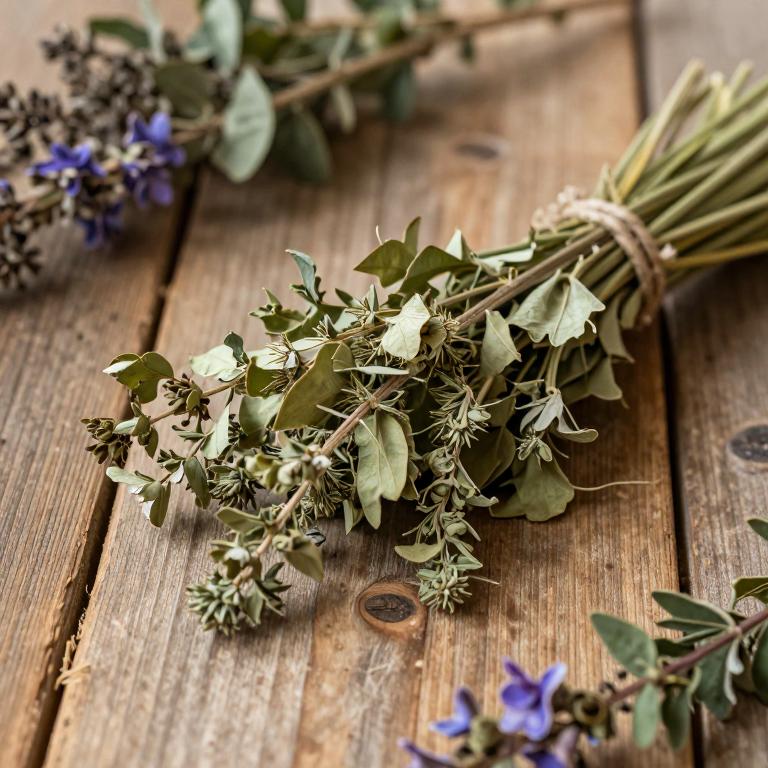
Vinca is a genus of flowering plants that is renowned both for its ornamental beauty and its significant medical contributions. While many species are cultivated as hardy groundcovers, the plant holds a much more profound place in the field of oncology. It serves as the natural source for the powerful alkaloids vinblastine and vincristine. These specific chemicals are essential components in modern chemotherapy regimens used to treat various types of cancer. Consequently, this plant represents a remarkable bridge between botanical life and life-saving pharmaceutical science.
- Synonyms
- Pervinca
- Common names
- Not available
- Family
- Apocynaceae
- Distribution
- Asia-Tropical
- Plant Parts
- Not available
Classification
Common Names
Vinca is a versatile plant that carries a wide variety of local names across different cultures and languages. In many regions, it is affectionately known by the common name Barwinek or the phonetic variation Bôrwik. Its linguistic diversity continues with the name Biru gandaria and the unique moniker Blaa ny feoghaig. Furthermore, it is recognized in other parts of the world as Cezayir menekşesi. These various identities highlight the global presence and widespread recognition of this charming species.
Sources: Catalogue of Life (COL)
Synonyms
Vinca is a widely recognized genus of flowering plants known for its resilient nature and vibrant blooms. In various botanical texts, you may encounter this plant referred to by its synonym, Pervinca. This alternative name often reflects historical linguistic shifts and regional naming traditions. Understanding these synonymous relationships is essential for gardeners seeking specific varieties. Recognizing both terms ensures that enthusiasts can accurately identify and cultivate these beautiful species.
Sources: The World Checklist of Vascular Plants (WCVP)
Taxonomy
Vinca belongs to the vast kingdom Plantae, representing the diverse world of living plants. Within this biological classification, it is categorized under the class Equisetopsida. This plant further refines its lineage through the order Gentianales. It is a distinguished member of the family Apocynaceae, which connects it to many other flowering species. Ultimately, its specific identity is defined by its placement within the genus Vinca.
| Rank | Classification |
|---|---|
| Kingdom | Plantae |
| Phylum | Streptophyta |
| Class | Equisetopsida |
| Subclass | Magnoliidae |
| Order | Gentianales |
| Family | Apocynaceae |
| Genus | Vinca |
Sources: The World Checklist of Vascular Plants (WCVP)
Distribution
Geographic Regions
Vinca exhibits a broad and diverse geographic distribution that spans several key oceanic regions. Its presence is firmly established across Africa and the Macaronesian islands, including the Azores, the Canary Islands, and Madeira. Beyond these continental stretches, the plant extends its reach into the Middle Atlantic Ocean. Specifically, it can be found inhabiting remote locations such as Ascension and St. Helena. This wide-ranging dispersal pattern highlights the plant's ability to thrive in various Atlantic environments.
Sources: The World Checklist of Vascular Plants (WCVP)
Identification
Biological Activities
Compounds
Vinca alkaloids represent a significant class of phytochemicals utilized in the ongoing search for effective cancer treatments. Within this botanical family, specific compounds such as vinblastine and vincristine have emerged as vital therapeutic agents. These alkaloids are recognized for their ability to modify molecular pathways involved in the onset and progression of cancer cells. By leveraging these natural substances, researchers aim to develop modern drugs that can combat uncontrolled cellular proliferation. Ultimately, the inclusion of Vinca-derived compounds highlights the immense potential of herbal formulations in clinical oncology.