Vinca difformis subsp. difformis
Vinca difformis subsp. difformis · Accepted scientific name
Scientific literature: Very Sparse (1 studies) · ★☆☆☆☆
Vinca difformis subsp. difformis is a botanical species that has garnered significant scientific interest due to its diverse pharmacological profile. Recent investigations have focused specifically on its potential antidiabetic activities, highlighting its role in metabolic health management. To explore these therapeutic properties, researchers frequently utilize crude methanolic extracts derived from the plant's various components. These extracts serve as a concentrated source of bioactive compounds that may assist in regulating blood glucose levels. Consequently, studying this subspecies provides essential insights into developing natural alternatives for diabetes treatment.
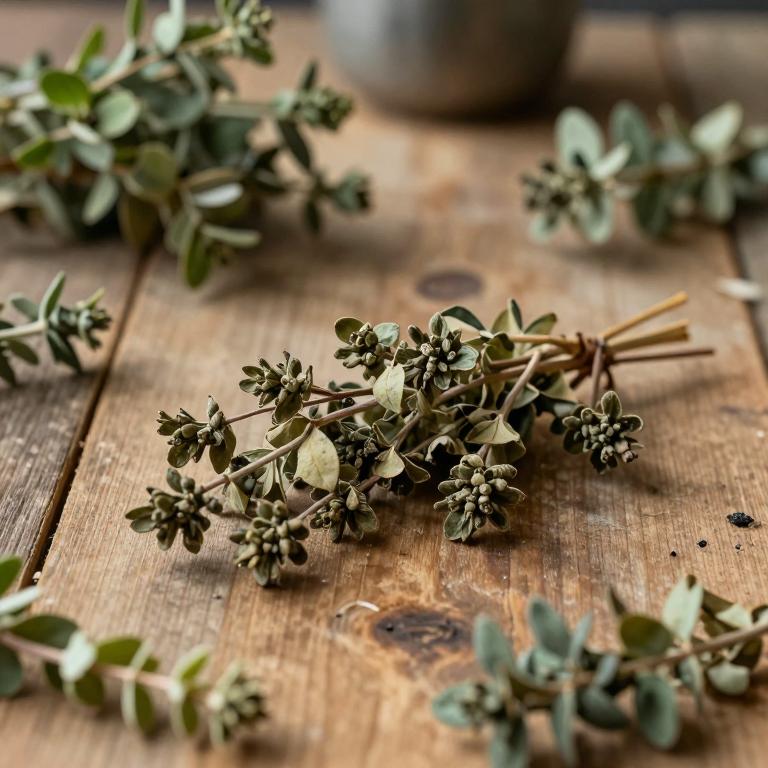
- Synonyms
- Pervinca Media · Pervinca Sicula · 7 more
- Common names
- Not available
- Family
- Apocynaceae
- Distribution
- Asia-Tropical
- Plant Parts
- Not available
Classification
Common Names
Vinca difformis subsp. difformis is a unique botanical specimen known by a variety of distinctive regional names. In some areas, it is affectionately referred to as Alcandórea or by the traditional moniker Herba da envexa. English speakers frequently identify this plant as the Intermediate Periwinkle, or simply Intermediate Periwinkle (EN). Interestingly, it also carries the descriptive Scandinavian name Ljusblå vintergröna. These diverse common names highlight the widespread recognition and cultural variety associated with this specific subspecies.
Sources: Catalogue of Life (COL)
Synonyms
Vinca difformis subsp. difformis is a taxonomically complex plant that is frequently identified by various botanical synonyms. Throughout different scientific records, it has been referred to as Pervinca media and Pervinca sicula. The plant is also known by the names Vinca acutiflora and Vinca media in certain contexts. Additionally, researchers may encounter it listed under the designation Vinca difformis var. dubia. Understanding these overlapping names is essential for ensuring accuracy when studying this specific subspecies.
Sources: The World Checklist of Vascular Plants (WCVP)
Taxonomy
Vinca difformis subsp. difformis is a unique botanical specimen that belongs to the vast kingdom Plantae. Within this expansive group, the plant is classified under the class Equisetopsida. It further occupies a specific niche in the biological hierarchy as a member of the order Gentianales. Moving down the taxonomic ladder, this subspecies is part of the Apocynaceae family. Finally, it is defined by its membership in the well-known genus Vinca.
| Rank | Classification |
|---|---|
| Kingdom | Plantae |
| Phylum | Streptophyta |
| Class | Equisetopsida |
| Subclass | Magnoliidae |
| Order | Gentianales |
| Family | Apocynaceae |
| Genus | Vinca |
Sources: The World Checklist of Vascular Plants (WCVP)
Distribution
Geographic Regions
Vinca difformis subsp. difformis is a versatile plant with a wide geographical range spanning across several continents. Its distribution is primarily centered in Africa, where it thrives within the diverse landscapes of the Macaronesia and Azores regions. More specifically, the subspecies is well-established throughout Northern Africa, finding natural habitats in Algeria, Morocco, and Tunisia. Beyond the African continent, this plant also extends its reach into Europe. Notably, it can be found growing in the northern reaches of Europe, including the coastal areas of Great Britain.
Sources: The World Checklist of Vascular Plants (WCVP)
Identification
Biological Activities
Vinca difformis subsp. difformis is a plant species that holds significant potential within the context of traditional medicinal research. Recent investigations into indigenous South African plants have focused on identifying natural candidates for managing metabolic disorders. Specifically, this subspecies has demonstrated notable antidiabetic activity during specialized screening processes. By measuring glucose utilization across various cell lines, researchers can better understand how such extracts influence blood sugar regulation. This scientific approach helps validate traditional uses and aids in the discovery of new drug leads for treating Type II diabetes.
Compounds
Conditions
Vinca difformis subsp. difformis is not mentioned in the provided abstract regarding its ability to treat α-glycosidase activity. The research focuses instead on the enzyme inhibition profiles of Senna bicapsularis, Thevetia peruviana, Nerium oleander, and Vinca major. While Vinca major was tested for its inhibitory potential, the data indicates it did not show any urease inhibition. Furthermore, the study notes that all four tested plants, including Vinca major, demonstrated the ability to inhibit α-glycosidase activity. None of the findings in the text support a relationship between Vinca difformis subsp. difformis and the treatment of α-glycosidase.
Preparations
Vinca difformis subsp. difformis is prepared as crude methanolic extracts for scientific evaluation. These specific extracts are utilized to study various biochemical inhibition profiles. The preparation process involves using methanol to create a crude substance from the plant material. Such methanolic preparations are essential for testing the medicinal properties of the species. Consequently, the crude methanolic extracts serve as the primary medium for analyzing the plant's enzymatic potential.