sweet viburnum
Viburnum · Accepted scientific name
Scientific literature: Very Sparse (5 studies) · ★☆☆☆☆
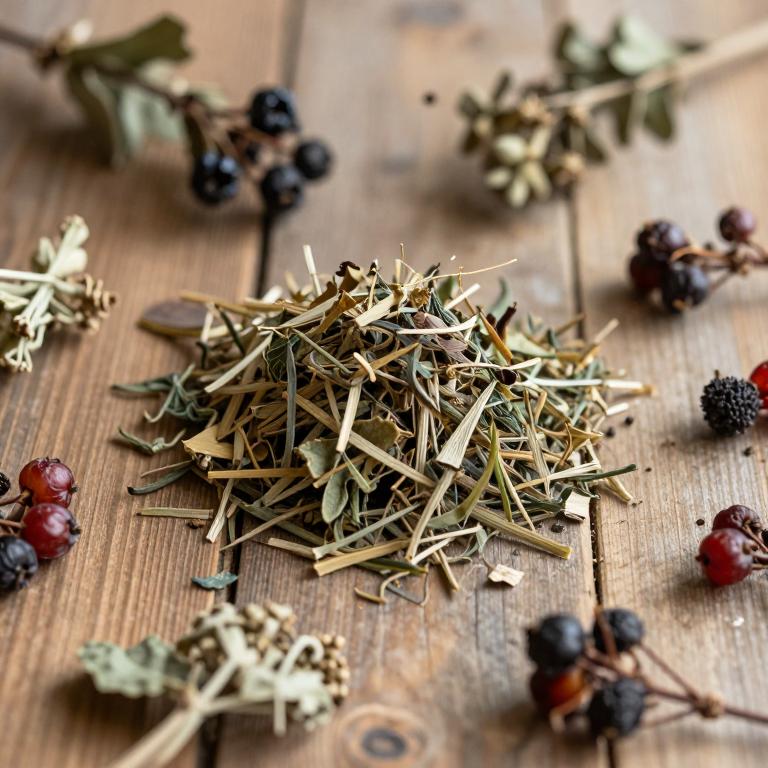
Sweet viburnum, scientifically known as Viburnum, is a versatile genus of flowering shrubs prized for their aesthetic beauty and therapeutic potential. Renowned for diverse medicinal properties, various species are utilized in traditional healing to support digestive health, reduce inflammation, and promote relaxation, making them a staple in herbalism.
- Family
- Viburnaceae
- Native range
- Europe
- Parts used
- Fruit · Flower
- Common names
- Arrowwood · Viburnums
- Scientific synonyms
- Iraupalos · Microtinus · 9 more
Names and Synonyms
Common Names
- arrowwood
- viburnums
Scientific Names
Accepted name
ViburnumSynonyms
- Iraupalos
- Microtinus
- Tynus
- Thyrsosma
- Tinus
- Opulus
- Oreinotinus
- Lentago
- Solenotinus
- Actinotinus
- Solenolantana
Regional and Traditional Names
Spanish:
- Viburno
German:
- Schneeball
- Schneeball
French:
- viorne
- Viorne
- Viornes
- pimbinas
- Viorne
Sources: Wikidata, Catalogue of Life
Taxonomical Classification
This plant belongs to the kingdom Plantae and the phylum Streptophyta, placing it within the class Equisetopsida and subclass Magnoliidae. It is classified under the order Dipsacales and the family Viburnaceae. Finally, the medicinal species is categorized under the genus Viburnum.
| Rank | Classification |
|---|---|
| Kingdom | Plantae |
| Phylum | Streptophyta |
| Class | Equisetopsida |
| Subclass | Magnoliidae |
| Order | Dipsacales |
| Family | Viburnaceae |
| Genus | Viburnum |
Sources: The World Checklist of Vascular Plants (WCVP)
Distribution
This plant exhibits a specific geographical presence throughout the regions of Northern Europe. It can be found growing within the coastal and inland landscapes of Denmark. Additionally, its distribution extends to the northernmost territories of Finland. The species is also well-established across the islands of Great Britain and Ireland. Finally, its range reaches into the rugged terrain of Norway.
| Region | Area |
|---|---|
| Northern Europe | Denmark |
| Northern Europe | Finland |
| Northern Europe | Great Britain |
| Northern Europe | Ireland |
| Northern Europe | Norway |
| Northern Europe | Sweden |
| Middle Europe | Austria |
| Middle Europe | Belgium |
| Middle Europe | Czechia-Slovakia |
| Middle Europe | Germany |
Sources: The World Checklist of Vascular Plants (WCVP)
Plant Parts
Viburnum has 2 reported plant parts identified across 3 scientific publications and several other databases that are studied for medicinal purposes. The most consistently reported plant part include fruit, flower.
| Plant part | Supporting sources | Consensus |
|---|---|---|
| Fruit | 2 supporting sources | ★☆☆☆☆ |
| Flower | 1 supporting sources | ★☆☆☆☆ |
Fruit
- Chemistry & biodiversity
- Protoplasma
Flower
- Protoplasma
Chemicals
Viburnum has 1 reported phytochemicals identified across 3 scientific publications and several other databases. The most consistently reported chemicals include Lignan.
| Chemical | Supporting sources | Consensus |
|---|---|---|
| Lignan | 1 supporting sources | ★☆☆☆☆ |
Lignan
- Chemistry & biodiversity