Viburnum toronis
Viburnum toronis · Accepted scientific name
Scientific literature: Very Sparse (1 studies) · ★☆☆☆☆
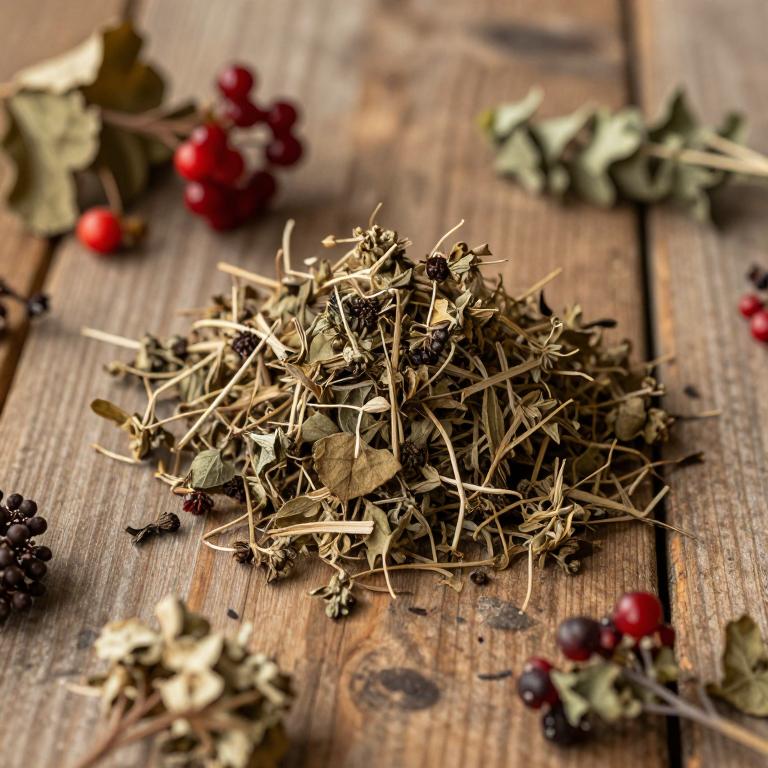
Viburnum torminale, scientifically known as Viburnum torminale, is a deciduous shrub prized for its medicinal properties. Traditionally used in herbal medicine, its berries are rich in antioxidants and tannins. These fruits are often employed to support digestive health and provide nutritional support through their potent bioactive compounds.
- Family
- Not available
- Native range
- Southern America
- Parts used
- Leaf
- Common names
- Not available
- Scientific synonyms
- Not available
Names and Synonyms
Scientific Names
Accepted name
Viburnum toronisDistribution
This plant exhibits a specific range within the western regions of the South American continent. Its natural habitat is primarily concentrated in the mountainous areas of Colombia. Furthermore, the species can also be found growing throughout Ecuador. These two countries represent the core geographical distribution for this medicinal variety. Consequently, its presence is limited to these particular western South American territories.
| Region | Area |
|---|---|
| Western South America | Colombia |
| Western South America | Ecuador |
Sources: The World Checklist of Vascular Plants (WCVP)
Botanical Identification
Ecology
The ecology of Viburnum toroensis is defined by its specialized adaptation to high-altitude montane environments, where it occupies a specific vertical niche within its habitat. This species is primarily found across a significant altitudinal gradient, ranging from a minimum elevation of 1100 m AMSL to a maximum peak of 3650 m AMSL. Throughout its distribution, the plant maintains a mean elevation of approximately 2380 m AMSL, indicating a strong preference for subalpine and alpine zones. These elevational parameters suggest that the plant is adapted to the unique climatic pressures of higher altitudes, including lower temperatures, increased UV exposure, and distinct seasonal moisture patterns characteristic of these mid-to-high mountain ranges.
- Elevational range max:
- 3650 m AMSL
- Elevational range mean:
- 2380 m AMSL
- Elevational range min:
- 1100 m AMSL
Morphology
The morphology of Viburnum toroensis is characterized by a woody growth form, primarily manifesting as a self-supporting shrub or small tree. As a terrestrial species, it does not exhibit aquatic, semiaquatic, or epiphytic tendencies, growing independently as a non-parasitic organism. The plant is characterized by its robust, woody structure and lacks any climbing or liana-like habits, remaining entirely self-supporting. In terms of scale, it reaches a maximum plant height of approximately 8 meters, establishing a stable presence in its natural habitat.
- Aquatic :
- terrestrial
- Climber :
- self-supporting
- Epiphyte :
- terrestrial
- Growth form :
- tree
- Growth form :
- shrub
- Parasite :
- independent
- Plant height max:
- 8 m
- Woodiness :
- woody
Sources: Global Inventory of Floras and Traits (GIFT)
Plant Parts
Viburnum toronis has 1 reported plant parts identified across 1 scientific publications and several other databases that are studied for medicinal purposes. The most consistently reported plant part include leaf.
| Plant part | Supporting sources | Consensus |
|---|---|---|
| Leaf | 1 supporting sources | ★☆☆☆☆ |
Leaf
- Journal of ethnopharmacology
Preparations
Viburnum toronis has 4 reported preparations identified across 1 scientific publications and several other databases. The most consistently reported preparations include ethyl acetate extract, extract in ethyl acetate, methanolic extracts, petroleum ether extract.
| Preparation | Supporting sources | Consensus |
|---|---|---|
| Ethyl acetate extract | 1 supporting sources | ★☆☆☆☆ |
| Extract in ethyl acetate | 1 supporting sources | ★☆☆☆☆ |
| Methanolic extracts | 1 supporting sources | ★☆☆☆☆ |
| Petroleum ether extract | 1 supporting sources | ★☆☆☆☆ |
Ethyl acetate extract
- Journal of ethnopharmacology
Extract in ethyl acetate
- Journal of ethnopharmacology
Methanolic extracts
- Journal of ethnopharmacology
Petroleum ether extract
- Journal of ethnopharmacology