Viburnum cassinoides
Viburnum cassinoides · Accepted scientific name
Scientific literature: Very Sparse (13 studies) · ★☆☆☆☆
, scientifically known as Viburnum cassinoides, is a resilient evergreen shrub cherished in traditional herbalism. Renowned for its fragrant white blooms, this plant is valued in various cultures for its potential therapeutic properties, particularly in supporting respiratory health and soothing systemic inflammation through its unique bioactive compounds and medicinal extracts.
- Family
- Not available
- Native range
- Northern America
- Parts used
- Not available
- Common names
- Not available
- Scientific synonyms
- Not available
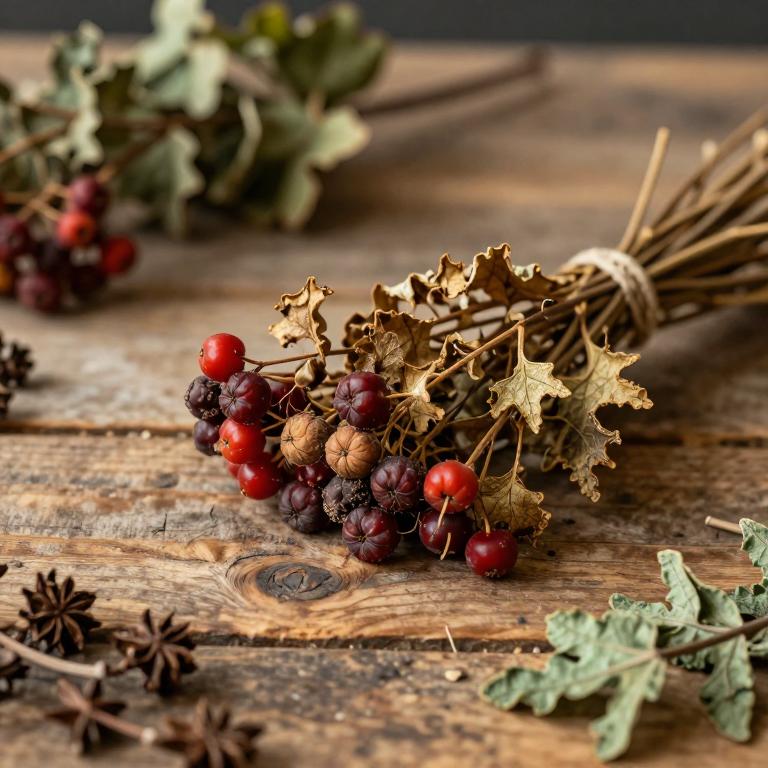
Names and Synonyms
Scientific Names
Accepted name
Viburnum cassinoidesDistribution
This plant, known as Viburnum cassinoides, exhibits a specific distribution across the maritime and central regions of Eastern Canada. Its presence is documented throughout the province of New Brunswick. Furthermore, it can be found inhabiting the landscapes of Newfoundland and Nova Scotia. The species also extends its reach into the province of Ontario. Finally, its geographical range includes the islands of Prince Edward Island.
| Region | Area |
|---|---|
| Eastern Canada | New Brunswick |
| Eastern Canada | Newfoundland |
| Eastern Canada | Nova Scotia |
| Eastern Canada | Ontario |
| Eastern Canada | Prince Edward I. |
| Eastern Canada | Québec |
| North-Central U.S.A. | Wisconsin |
| Northeastern U.S.A. | Connecticut |
| Northeastern U.S.A. | Indiana |
| Northeastern U.S.A. | Maine |
Sources: The World Checklist of Vascular Plants (WCVP)
Botanical Identification
Life history
The life history of Viburnum cassinoides is characterized by its nature as a perennial plant, meaning it lives for more than two years and undergoes continuous growth cycles through multiple seasons. As a long-lived woody shrub, its development follows a predictable pattern of seasonal shifts, beginning with the emergence of new foliage in the spring, followed by the production of small, fragrant white flowers. These blooms eventually give way to the development of fleshy drupes, which serve as the primary mechanism for seed dispersal. Throughout its lifespan, the plant establishes a robust root system that supports its perennial habit, allowing it to withstand varying environmental conditions and re-emerge annually from its established woody structure.
- Lifecycle :
- perennial
Morphology
The morphology of Viburnum cassinoides is characterized by its growth form as a woody shrub, which is inherently self-supporting rather than acting as a climber. This plant typically reaches a mean height of approximately 4.6 m, maintaining a robust and sturdy structural development consistent with its shrubby habit.
- Climber :
- self-supporting
- Growth form :
- shrub
- Plant height mean:
- 4.6 m
- Woodiness :
- woody
Physiology
The physiology of Viburnum cassinoides is fundamentally characterized by a C3 photosynthetic pathway, a metabolic strategy typical of most woody dicotyledonous shrubs. This pathway involves the direct fixation of atmospheric carbon dioxide through the enzyme RuBisCO during the Calvin cycle, occurring within the mesophyll cells. Due to this C3 mechanism, the plant's gas exchange and carbon assimilation processes are highly sensitive to ambient temperature and moisture levels, as the enzyme is prone to photorespiration when stomatal conductance decreases under heat or drought stress. The plant manages its physiological efficiency through regulated transpiration, balancing the need for CO2 uptake with the prevention of excessive water loss. Furthermore, its metabolic processes support the development of specialized secondary metabolites, which are synthesized through complex biochemical pathways to serve roles in defense and structural integrity.
- Photosynthetic pathway :
- C3
Reproduction
The reproduction of Viburnum cassinoides involves a complex biological process centered on the production and dispersal of its seeds. The seeds produced by this species exhibit significant variability in physical dimensions, which is reflected in their mass distribution. On average, the seed mass is approximately 0.013765 g, serving as a central metric for the species' reproductive output. However, individual seed weight fluctuates considerably, ranging from a minimum of 0.0058 g to a maximum of 0.0164 g. This variation in seed mass may play a crucial role in the plant's ability to colonize different microhabitats and respond to varying environmental conditions during the germination and establishment phases of its life cycle.
- Seed mass max:
- 0.0164 g
- Seed mass mean:
- 0.013765 g
- Seed mass min:
- 0.0058 g
Sources: Global Inventory of Floras and Traits (GIFT)
Chemicals
Viburnum cassinoides has 1 reported phytochemicals identified across 0 scientific publications and several other databases. The most consistently reported chemicals include Betulin.
| Chemical | Supporting sources | Consensus |
|---|---|---|
| Betulin | 1 supporting sources | ★☆☆☆☆ |
Betulin
- Dr. Duke
Activities
Viburnum cassinoides has 12 reported activities identified across 0 scientific publications and several other databases. The most consistently reported activities include AntiHIV, Anticarcinomic, Antifeedant, Antiflu, Antiinflammatory.
| Activity | Supporting sources | Consensus |
|---|---|---|
| AntiHIV | 1 supporting sources | ★☆☆☆☆ |
| Anticarcinomic | 1 supporting sources | ★☆☆☆☆ |
| Antifeedant | 1 supporting sources | ★☆☆☆☆ |
| Antiflu | 1 supporting sources | ★☆☆☆☆ |
| Antiinflammatory | 1 supporting sources | ★☆☆☆☆ |
| Antitumor | 1 supporting sources | ★☆☆☆☆ |
| Antiviral | 1 supporting sources | ★☆☆☆☆ |
| Aphidifuge | 1 supporting sources | ★☆☆☆☆ |
| Cytotoxic | 1 supporting sources | ★☆☆☆☆ |
| Hypolipemic | 1 supporting sources | ★☆☆☆☆ |
AntiHIV
- Dr. Duke
Anticarcinomic
- Dr. Duke
Antifeedant
- Dr. Duke
Antiflu
- Dr. Duke
Antiinflammatory
- Dr. Duke
Antitumor
- Dr. Duke
Antiviral
- Dr. Duke
Aphidifuge
- Dr. Duke
Cytotoxic
- Dr. Duke
Hypolipemic
- Dr. Duke