Veronica
Veronica · Accepted scientific name
Scientific literature: Very Sparse (3 studies) · ★☆☆☆☆
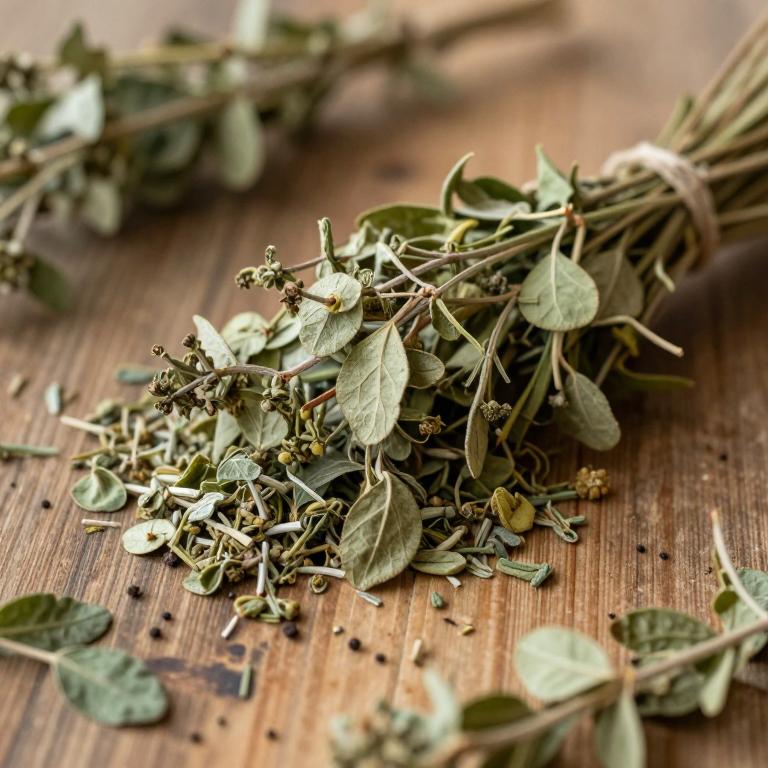
Veronica is a versatile plant renowned for its significant medicinal properties, including anticancer, antimicrobial, and antioxidant activities. It contains a potent profile of bioactive chemicals such as aucubin, catalpol, loganin, and verbenalin. These compounds make the plant highly effective in treating various conditions, specifically rheumatism and wound healing. Beyond traditional medicine, it is increasingly being incorporated into creative culinary preparations like herbal teas, extracts, artisanal beers, and even ice creams. This unique combination of therapeutic power and versatility makes Veronica a fascinating subject in both pharmacology and gastronomy.
- Synonyms
- Synthyris · Chionohebe · 36 more
- Common names
- Not available
- Family
- Plantaginaceae
- Distribution
- Not available
- Plant Parts
- Not available
Classification
Common Names
Veronica is a versatile plant known by a diverse array of local names across different regions. It is frequently referred to as Airnbreis or Azuletes depending on the specific cultural context. In other areas, enthusiasts might identify the species as Bulaqotu or Ch'iwa. Additionally, the plant is sometimes called Deplur by those familiar with its unique botanical characteristics. This variety of nomenclature highlights the plant's widespread presence and deep roots in various communities.
Sources: Catalogue of Life (COL)
Synonyms
Veronica is a botanical genus known for its complex taxonomic history and numerous synonymous classifications. Within scientific literature, you may find this plant referred to by the synonym Agerella. It is also frequently documented under the names Aidelus and Allopleia in various historical records. Furthermore, the genus has been associated with the terms Atelianthus and Azurinia in certain botanical studies. Understanding these diverse synonyms is essential for researchers navigating the evolving landscape of plant nomenclature.
Sources: The World Checklist of Vascular Plants (WCVP)
Taxonomy
Veronica belongs to the diverse kingdom Plantae, showcasing the intricate complexity of the natural world. Within this vast classification, the plant is specifically categorized under the class Equisetopsida. It further refines its lineage through the order Lamiales, a grouping that highlights its structural characteristics. As a member of the family Plantaginaceae, it shares close evolutionary ties with many other common garden species. Ultimately, the plant is defined by its own distinct genus, Veronica, which serves as its primary botanical identity.
| Rank | Classification |
|---|---|
| Kingdom | Plantae |
| Phylum | Streptophyta |
| Class | Equisetopsida |
| Subclass | Magnoliidae |
| Order | Lamiales |
| Family | Plantaginaceae |
| Genus | Veronica |
Sources: The World Checklist of Vascular Plants (WCVP)
Distribution
Geographic Regions
Veronica exhibits a diverse geographical range that spans several distinct regions across the African continent. In East Tropical Africa, this genus is well-established within the landscapes of Kenya, Tanzania, and Uganda. Beyond the mainland, its reach extends westward toward the Atlantic islands. Specifically, the plant can be found thriving in the Macaronesian territories of the Azores and the Canary Islands. This widespread distribution highlights the remarkable adaptability of the genus across varied island and continental environments.
Sources: The World Checklist of Vascular Plants (WCVP)
Identification
Biological Activities
Veronica plants are recognized for their rich concentration of bioactive secondary metabolites, such as phenolic compounds and iridoid glycosides. These phytochemicals allow the genus to exhibit a diverse range of beneficial biological activities. Specifically, research highlights the significant antioxidant properties found within various species. Additionally, the extracts have demonstrated antimicrobial potential, including the ability to inhibit certain foodborne pathogens. Beyond these functions, studies conducted both in vitro and in vivo have also reported promising anticancer activities.
Compounds
Conditions
Veronica plants are traditionally utilized in medicine to treat rheumatism and various other human diseases. Research indicates that these species possess anti-inflammatory properties that can benefit patient health. Furthermore, studies conducted both in vitro and in vivo have reported that Veronica exhibits anticancer bioactivities. The extracts from these plants also show potential in treating foodborne pathogens, such as Listeria monocytogenes. Through these diverse biological activities, the genus serves as a significant source for various therapeutic applications.
Preparations
Veronica possesses significant economic and functional potential due to its diverse possible applications in the food and medicinal industries. This plant species can be utilized for the production of artisanal beers and sweet liqueurs in alpine regions. Furthermore, it holds promise as a key ingredient for creating new herbal teas. The genus also offers valuable extracts that can serve as functional food ingredients or preservatives. Finally, the plant can be incorporated into specialty food products such as ice creams.