Vernonia pachyclada
Vernonia pachyclada · Accepted scientific name
Scientific literature: Very Sparse (3 studies) · ★☆☆☆☆
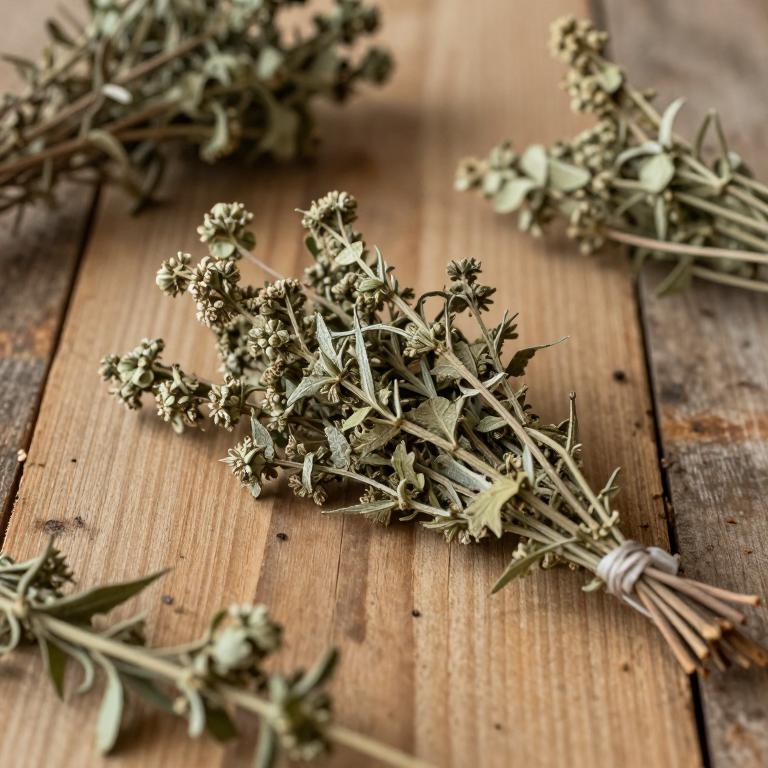
scientifically known as Vernonia pachyclada, is a medicinal shrub valued in traditional herbal practices. Often found in tropical regions, this plant is recognized for its diverse bioactive compounds. It is primarily utilized in folk medicine to treat various ailments, offering potential therapeutic benefits through its unique phytochemical profile.
- Family
- Asteraceae
- Native range
- Africa
- Parts used
- Leaf
- Common names
- Not available
- Scientific synonyms
- Not available
Names and Synonyms
Scientific Names
Accepted name
Vernonia pachycladaSources: Wikidata, Catalogue of Life
Taxonomical Classification
This plant belongs to the kingdom Plantae and the phylum Streptophyta within the class Equisetopsida. It is further classified under the subclass Magnoliidae and the order Asterales. Finally, it is a member of the family Asteraceae and falls under the genus Vernonia.
| Rank | Classification |
|---|---|
| Kingdom | Plantae |
| Phylum | Streptophyta |
| Class | Equisetopsida |
| Subclass | Magnoliidae |
| Order | Asterales |
| Family | Asteraceae |
| Genus | Vernonia |
Sources: The World Checklist of Vascular Plants (WCVP)
Distribution
This plant is specifically found within the unique ecosystems of the Western Indian Ocean. Its primary geographical range is restricted to the island of Madagascar. Because of this limited distribution, it is considered an endemic species to the region. This localized occurrence means that its natural habitat is tied closely to the specific climate of the island. Consequently, the plant plays a specialized role within the Malagasy botanical landscape.
| Region | Area |
|---|---|
| Western Indian Ocean | Madagascar |
Sources: The World Checklist of Vascular Plants (WCVP)
Botanical Identification
Morphology
The morphology of Vernonia pachyclada is characterized by a woody growth form, specifically developing into a tree. It functions as a terrestrial species, lacking aquatic or semiaquatic adaptations, and is classified as a terrestrial organism rather than an epiphyte.
- Aquatic :
- terrestrial
- Epiphyte :
- terrestrial
- Growth form :
- tree
- Woodiness :
- woody
Sources: Global Inventory of Floras and Traits (GIFT)
Plant Parts
Vernonia pachyclada has 1 reported plant parts identified across 1 scientific publications and several other databases that are studied for medicinal purposes. The most consistently reported plant part include leaf.
| Plant part | Supporting sources | Consensus |
|---|---|---|
| Leaf | 1 supporting sources | ★☆☆☆☆ |
Leaf
- Journal of natural products
Activities
Vernonia pachyclada has 1 reported activities identified across 1 scientific publications and several other databases. The most consistently reported activities include Cytotoxic.
| Activity | Supporting sources | Consensus |
|---|---|---|
| Cytotoxic | 1 supporting sources | ★☆☆☆☆ |
Cytotoxic
- Journal of natural products
Conditions
Vernonia pachyclada has 1 reported investigations on conditions identified across 1 scientific publications and several other databases. The most consistently reported conditions include ovarian cancer.
| Condition | Supporting sources | Consensus |
|---|---|---|
| Ovarian cancer | 1 supporting sources | ★☆☆☆☆ |
Ovarian cancer
- Journal of natural products
Preparations
Vernonia pachyclada has 1 reported preparations identified across 1 scientific publications and several other databases. The most consistently reported preparations include cytotoxic leaf extract.
| Preparation | Supporting sources | Consensus |
|---|---|---|
| Cytotoxic leaf extract | 1 supporting sources | ★☆☆☆☆ |
Cytotoxic leaf extract
- Journal of natural products