Vernonia brazzavillensis
Vernonia brazzavillensis · Accepted scientific name
Scientific literature: Very Sparse (0 studies) · ★☆☆☆☆
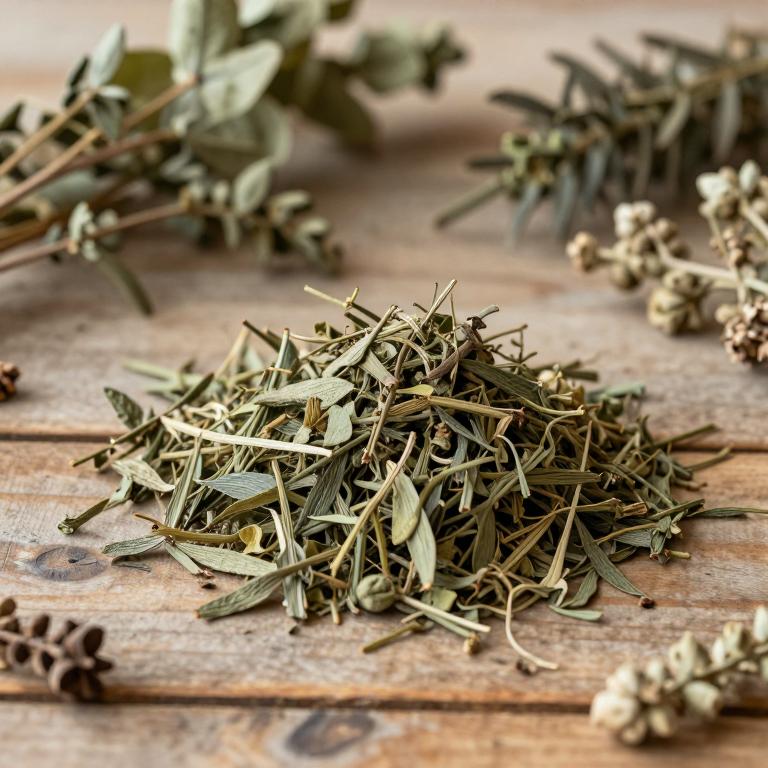
Vernonia brazzavillensis is a botanical species recognized for its significant potential in traditional and modern medicine. Researchers have focused specifically on the medicinal properties found within its leaves to address various health concerns. One of the most critical areas of study involves its efficacy in managing conditions such as malaria. By examining the bioactive compounds present in the foliage, scientists aim to develop more effective natural treatments. This plant represents a vital resource in the ongoing search for sustainable solutions to global parasitic diseases.
- Synonyms
- Not available
- Common names
- Not available
- Family
- Asteraceae
- Distribution
- Not available
- Plant Parts
- Leaf
Classification
Taxonomy
Vernonia brazzavillensis is a fascinating specimen that belongs to the kingdom Plantae. Within this vast biological kingdom, the plant is classified under the class Equisetopsida. It further falls into the order Asterales, showcasing its evolutionary connection to a specific group of flowering plants. This species is a prominent member of the genus Vernonia, which defines its unique morphological traits. Finally, it is situated within the diverse family Asteraceae, linking it to the well-known composite flower group.
| Rank | Classification |
|---|---|
| Kingdom | Plantae |
| Phylum | Streptophyta |
| Class | Equisetopsida |
| Subclass | Magnoliidae |
| Order | Asterales |
| Family | Asteraceae |
| Genus | Vernonia |
Sources: The World Checklist of Vascular Plants (WCVP)
Distribution
Geographic Regions
Vernonia brazzavillensis is a notable plant species with a specific geographic footprint located across the African continent. Its natural distribution is primarily centered within the West-Central Tropical Africa region. Specifically, this species can be found thriving in the lush environments of the Congo. It also maintains a presence throughout the Democratic Republic of the Congo, expanding its ecological reach. Finally, its habitat extends into Gabon, marking it as a significant component of these tropical ecosystems.
Sources: The World Checklist of Vascular Plants (WCVP)
Identification
Morphology
Vernonia brazzavillensis is characterized by its distinct growth form as a tree.
Sources: Global Inventory of Floras and Traits (GIFT)
Biological Activities
Compounds
Conditions
Vernonia brazzavillensis is recognized in Congo Brazzaville traditional medicine for its use in treating malaria. Scientific investigation into sixty-six extracts from various plants confirmed that the leaf extracts of this specific species possess antiplasmodial activity. Specifically, both the ethanolic and dichloromethane extracts of the plant demonstrated moderate activity in vitro. These experimental results provide empirical support for the traditional medicinal practices involving this plant. Consequently, the study validates the role of Vernonia brazzavillensis as a functional antimalarial agent.
Preparations
Parts used
Vernonia brazzavillensis is one of several medicinal plants identified in a study of traditional healers in Congo Brazzaville. Specifically, the leaf of this plant was utilized to create extracts tested for their potential against malaria. Along with several other species, the leaf extracts of this plant demonstrated moderate in vitro antiplasmodial activity. These findings provide scientific evidence that supports the long-standing traditional use of the species in local medicine. Such research highlights the importance of exploring various plant parts for their therapeutic properties in treating parasitic diseases.