Verbena bonariensis
Verbena bonariensis · Accepted scientific name
Scientific literature: Very Sparse (0 studies) · ★☆☆☆☆
Verbena bonariensis is a striking perennial plant known for its tall, wiry stems and clusters of small purple flowers. It serves as a magnet for pollinators like butterflies and bees, adding dynamic movement to any garden landscape. Beyond its ornamental appeal, this species is scientifically interesting due to its unique chemical profile. Researchers have identified specific bioactive compounds within the plant, such as Verboncin B. Understanding these chemical properties helps deepen our appreciation for this resilient and airy botanical beauty.
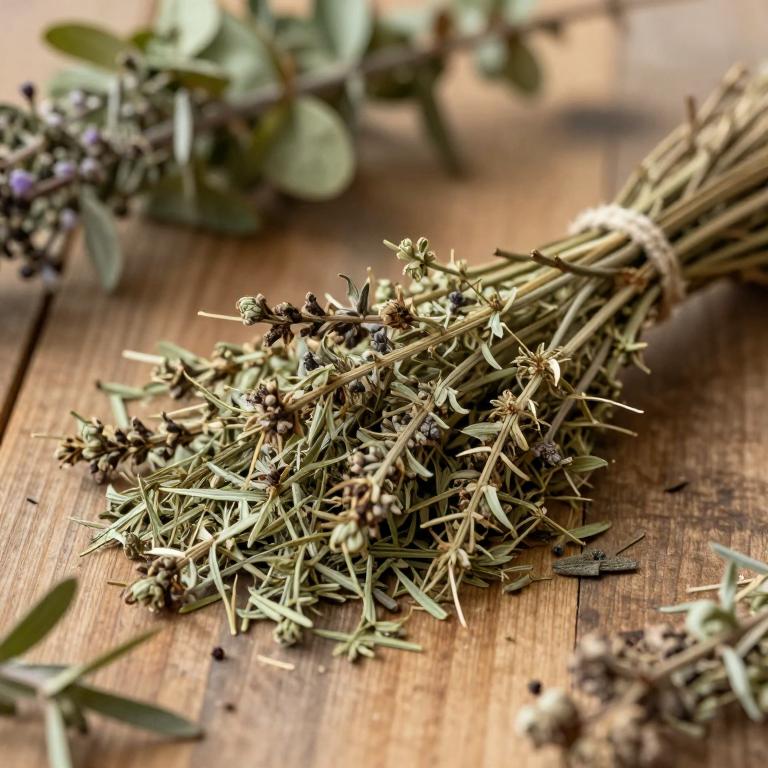
- Synonyms
- Verbena Inamoena · Verbena Intercedens · 5 more
- Common names
- Not available
- Family
- Verbenaceae
- Distribution
- Not available
- Plant Parts
- Not available
Classification
Common Names
Verbena bonariensis is a versatile plant recognized globally by several different common names. It is frequently referred to as Argentina vervain, Argentine vervain, or Argentinian vervain. Depending on the region and language, it may also be known as Argentinische Verbene in German or Verbena argentina in Spanish. In certain contexts, the name Buenos-Aires-Eisenkraut is used to describe this specific species. These diverse naming conventions highlight the plant's widespread presence across various cultural and linguistic landscapes.
Sources: Catalogue of Life (COL)
Synonyms
Verbena bonariensis is a botanically diverse species that encompasses several distinct formal synonyms. Within its classification, you will find specific forms such as Verbena bonariensis f. albiflora and Verbena bonariensis f. robustior. The plant also includes various varieties, including Verbena bonariensis var. conglomerata and Verbena bonariensis var. hispida. Furthermore, the taxonomic profile is rounded out by the inclusion of Verbena bonariensis var. longibracteata. These various names highlight the complex morphological variations present within this single species.
Sources: The World Checklist of Vascular Plants (WCVP)
Taxonomy
Verbena bonariensis is a distinctive member of the kingdom Plantae. Within this vast biological realm, the species belongs to the class Equisetopsida. It is further categorized under the order Lamiales, showcasing its unique evolutionary lineage. This plant is a proud representative of the genus Verbena, which defines its fundamental characteristics. Finally, it finds its botanical home within the diverse Verbenaceae family.
| Rank | Classification |
|---|---|
| Kingdom | Plantae |
| Phylum | Streptophyta |
| Class | Equisetopsida |
| Subclass | Magnoliidae |
| Order | Lamiales |
| Family | Verbenaceae |
| Genus | Verbena |
Sources: The World Checklist of Vascular Plants (WCVP)
Distribution
Geographic Regions
Verbena bonariensis displays a diverse geographic range that extends across several significant regions of Africa. Within East Tropical Africa, this plant can be found thriving in both Kenya and Tanzania. Its presence also reaches out to the Macaronesia islands, establishing itself in unique island ecosystems. Specifically, it is distributed throughout the Azores, the Canary Islands, and Madeira. This widespread distribution highlights the plant's ability to adapt to various African and Atlantic environments.
Sources: The World Checklist of Vascular Plants (WCVP)
Identification
Morphology
Verbena bonariensis is a distinctive herb characterized by its sturdy, self-supporting stems. This resilient plant typically reaches a maximum height of approximately 3 meters in optimal conditions. Depending on the environment, its stature can vary significantly, often maintaining a minimum height of 0.5 meters. In many garden settings, it frequently stabilizes at a more substantial minimum height of 1.5 meters. These diverse growth habits allow it to add vertical interest and texture to any landscape design.
Sources: Global Inventory of Floras and Traits (GIFT)
Biological Activities
Compounds
Verbena bonariensis has been identified as a significant source for the isolation of several unique chemical constituents. Among these discoveries, researchers successfully identified two new compounds known as verboncin A and verboncin B. Specifically, the plant contains verboncin B, which was characterized using advanced NMR and HRESIMS analysis. Scientific evaluations also focused on the biological potential of these isolated substances, particularly their effects on various human cancer cell lines. Although verboncin B showed negligible cytotoxic activity against the MCF-7 cell line, its identification provides valuable insights into the chemical profile of this species.