Verbascum sinuatum
Verbascum sinuatum · Accepted scientific name
Scientific literature: Very Sparse (2 studies) · ★☆☆☆☆
Verbascum sinuatum is a botanical species recognized for its diverse pharmacological potential, particularly through the bioactive compound verbascoside. Research focusing on the plant's leaf has demonstrated significant therapeutic properties, including cytotoxic and neuroprotective activities. Various preparations, such as hexane extracts, hydroethanolic extracts, and infusions, are utilized to study its medicinal effects. These studies highlight the plant's ability to exhibit antioxidant activity and influence processes like blood coagulation. Furthermore, its application in addressing neuroinflammation underscores the importance of this species in modern phytotherapy.
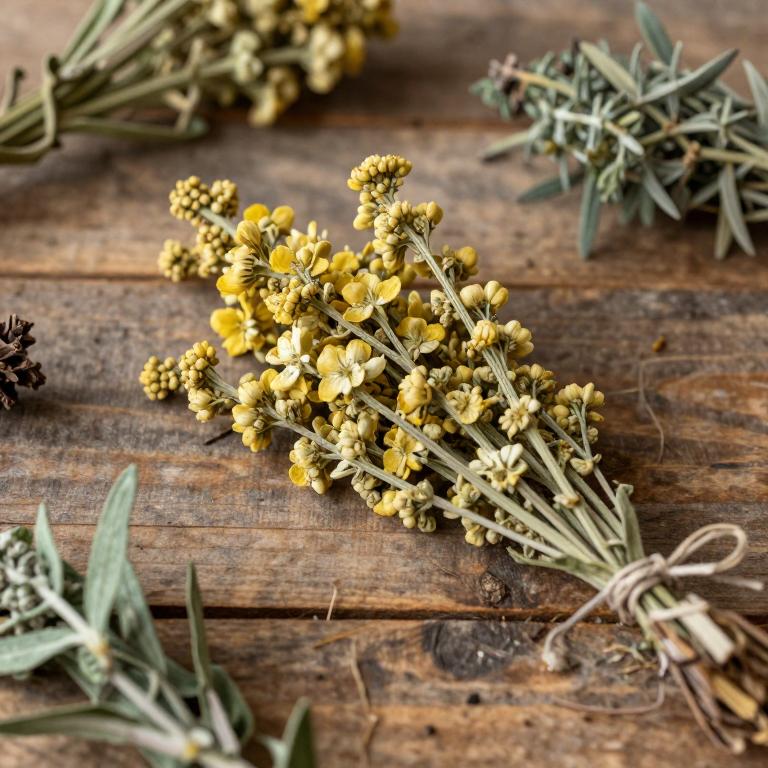
- Synonyms
- Thapsus Sinuatum · Lychnitis Sinuata
- Common names
- Not available
- Family
- Scrophulariaceae
- Distribution
- Not available
- Plant Parts
- Leaf
Classification
Common Names
Verbascum sinuatum is a distinctive plant known by several descriptive common names across different languages. In English, it is most frequently referred to as Wavyleaf Mullein, a name that highlights its unique foliage. German speakers may identify it as die Gewellte Königskerze or the gebuchtete Königskerze. Additionally, the name Buchten-Königskerze serves as another local identifier for this species. Understanding these various names helps gardeners and botanists recognize the plant regardless of the linguistic context.
Sources: Catalogue of Life (COL)
Synonyms
Verbascum sinuatum is a plant species that is frequently identified by several different botanical names. In many scientific databases, it is recognized by its synonym Lychnitis sinuata. Similarly, researchers may encounter this same plant documented under the name Thapsus sinuatum. Understanding these varying nomenclatures is essential for accurate identification in diverse botanical studies. Recognizing these synonyms ensures that gardeners and scientists alike can maintain consistency when discussing this particular species.
Sources: The World Checklist of Vascular Plants (WCVP)
Taxonomy
Verbascum sinuatum belongs to the vast kingdom Plantae, representing the diverse life of the botanical world. Within this kingdom, the species is classified under the class Equisetopsida. It further resides in the order Lamiales, a group that highlights its evolutionary lineage. As a member of the genus Verbascum, it shares distinct morphological traits with its close relatives. Ultimately, its taxonomic journey places it firmly within the Scrophulariaceae family.
| Rank | Classification |
|---|---|
| Kingdom | Plantae |
| Phylum | Streptophyta |
| Class | Equisetopsida |
| Subclass | Magnoliidae |
| Order | Lamiales |
| Family | Scrophulariaceae |
| Genus | Verbascum |
Sources: The World Checklist of Vascular Plants (WCVP)
Distribution
Geographic Regions
Verbascum sinuatum is a resilient plant species with a diverse geographic distribution spanning across Africa and the Macaronesian islands. Its presence is particularly notable throughout the Macaronesia region, stretching from the Canary Islands to the lush landscapes of Madeira. Within the African continent, the species is well-established across the vast stretches of Northern Africa. Specifically, it can be found thriving in the diverse terrains of Algeria, Egypt, and Libya. This wide-ranging habitat highlights the plant's ability to adapt to various Mediterranean and North African environments.
Sources: The World Checklist of Vascular Plants (WCVP)
Identification
Morphology
Verbascum sinuatum is a self-supporting herb that adds a delicate structure to any garden landscape. This plant typically reaches a maximum height of 1 meter, though it can grow as short as 0.4 meters depending on its environment. Its upright growth form allows it to stand firmly without the need for external support. These dimensions make it a versatile choice for gardeners looking to add layered texture to their plantings.
Sources: Global Inventory of Floras and Traits (GIFT)
Biological Activities
Verbascum sinuatum is a medicinal plant that possesses a diverse range of significant bioactive properties. Research indicates that infusions of this species exhibit notable cytotoxic activity, making them a subject of interest for anti-tumoral studies. Furthermore, the plant contains verbascoside, a phenylethanoid glycoside that provides essential neuroprotective benefits. This compound has been shown to mitigate neuroinflammation by blocking specific signaling pathways, offering potential therapeutic value for Alzheimer's disease. Collectively, these findings highlight the plant's promising applications within the pharmaceutical and healthcare sectors.
Compounds
Verbascum sinuatum is a herbaceous plant that serves as the natural source for the extraction of the phenylethanoid glycoside known as verbascoside. Recent scientific research highlights the significant neuroprotective potential of this compound, particularly in the context of Alzheimer's disease. By mitigating neuroinflammation, verbascoside has been shown to block the activation of microglia and astrocytes in various biological models. It achieves this effect by effectively restraining the NF-κB-p65 signaling pathway, which helps suppress harmful inflammatory cytokines. These findings suggest that verbascoside derived from the plant could be a hopeful candidate for the prevention and treatment of neurodegenerative conditions.
Conditions
Verbascum sinuatum treats Alzheimer's disease through the neuroprotective effects of its extracted compound, verbascoside, which mitigates neuroinflammation. This plant also treats activation by blocking the microglia and astrocyte responses in the brain. Its significant anti-inflammatory properties are demonstrated through the modulation of the NF-κB-p65 signaling pathway. Furthermore, Verbascum sinuatum treats antioxidant activity, as evidenced by the presence of phenolic antioxidants and measurable antioxidant potential in its extracts. Finally, Verbascum sinuatum treats blood coagulation by acting as a coagulant agent through its effect on activated partial thromboplastin time (aPTT) values.
Preparations
Verbascum sinuatum is prepared as hexane extracts to facilitate phytochemical characterization through Gas Chromatography - Mass Spectrometry. These hexane extracts have been shown to demonstrate measurable antioxidant activity and inhibitory effects against various bacterial strains. Additionally, the plant is prepared as hydroethanolic extracts to determine specific phenolic profiles and evaluate bioactive capacities. It is also processed as infusions, which have stood out significantly in studies regarding cytotoxic and anti-inflammatory results. These different preparation methods allow for a comprehensive assessment of the plant's diverse therapeutic potential.
Parts used
Verbascum sinuatum serves as a significant subject of study due to the potent bioactive properties found within its leaf extracts. Researchers have utilized hexane extracts from the plant's leaves to conduct detailed phytochemical characterization through GC-MS analysis. These investigations revealed that the leaves contain essential components such as saturated fatty acid esters, phenolic antioxidants, and a putative alkaloid. Beyond its chemical makeup, the leaf extract demonstrated measurable antioxidant activity and a notable inhibitory effect against various bacterial strains. Ultimately, the study of these leaf-derived compounds highlights the potential of Verbascum sinuatum in the discovery of new therapeutic metabolites.