Verbascum nigrum
Verbascum nigrum · Accepted scientific name
Scientific literature: Very Sparse (0 studies) · ★☆☆☆☆
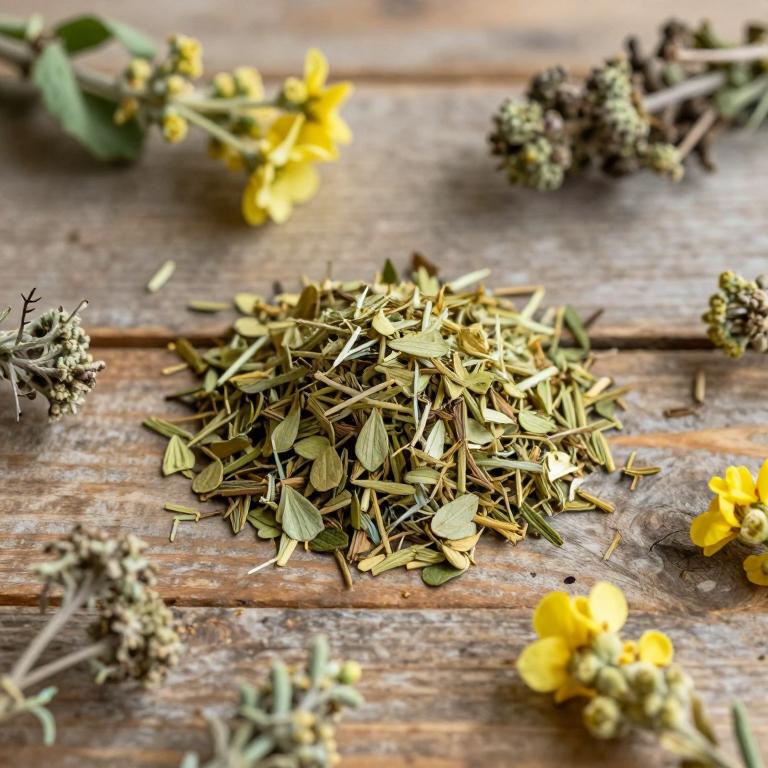
Verbascum nigrum, commonly known as dark mullein, is a distinctive perennial herb recognized for its tall flowering spikes. While the entire plant possesses various characteristics, the flower serves as a primary focus for scientific interest. Research has specifically highlighted the significant antioxidant activity found within these floral structures. This biological property suggests that the plant may play a role in combating oxidative stress through its unique chemical composition. Consequently, studying the flowers of Verbascum nigrum offers valuable insights into its potential medicinal applications.
- Synonyms
- Thapsus Nigrum · Lychnitis Nigra
- Common names
- Not available
- Family
- Scrophulariaceae
- Distribution
- Not available
- Plant Parts
- Flower
Classification
Common Names
Verbascum nigrum is a distinctive plant known by a diverse array of regional and linguistic names. In German-speaking areas, it is frequently referred to as Dunkle Koenigskerze or Dunkles Wollkraut. It also carries the name Grönkungsljus, showcasing its presence in different botanical contexts. Moving into French, the species is commonly identified as Molene noire. Finally, in Scandinavian traditions, it is recognized by the name Mørk kongelys.
Sources: Catalogue of Life (COL)
Synonyms
Verbascum nigrum is a botanical subject that is frequently identified by several different names in scientific literature. Due to taxonomic shifts, this plant is recognized by the synonym Lychnitis nigra in various historical records. It is also commonly referred to as Thapsus nigrum, a name that reflects its complex classification history. Understanding these overlapping identities is essential for researchers attempting to track the species accurately. Consequently, recognizing these synonyms ensures that no data is lost when studying this specific plant.
Sources: The World Checklist of Vascular Plants (WCVP)
Taxonomy
Verbascum nigrum is a unique botanical specimen belonging to the kingdom Plantae. Within this vast biological realm, it is specifically classified under the class Equisetopsida. It further belongs to the order Lamiales, which helps define its structural characteristics. This plant is a member of the Scrophulariaceae family, a group known for its diverse floral traits. Ultimately, it finds its place within the Verbascum genus, marking its distinct identity among its relatives.
| Rank | Classification |
|---|---|
| Kingdom | Plantae |
| Phylum | Streptophyta |
| Class | Equisetopsida |
| Subclass | Magnoliidae |
| Order | Lamiales |
| Family | Scrophulariaceae |
| Genus | Verbascum |
Sources: The World Checklist of Vascular Plants (WCVP)
Distribution
Geographic Regions
Verbascum nigrum is widely distributed across the Asia-Temperate region, with a significant presence throughout the vast landscapes of Siberia. This species can be found thriving in diverse areas such as the Altay mountains and the expansive reaches of West Siberia. Its range extends deep into specific territories, including the regions of Irkutsk and Krasnoyarsk. Furthermore, the plant maintains a notable foothold in the harsh, northern environments of Yakutiya. Together, these locations highlight the plant's ability to inhabit various ecological niches across the Siberian wilderness.
Sources: The World Checklist of Vascular Plants (WCVP)
Identification
Morphology
Verbascum nigrum is a distinctive herb characterized by its sturdy, self-supporting growth form. This plant typically reaches a modest height, often staying within a range of 0.5 m to 1.5 m. More specifically, many specimens tend to stabilize around a minimum height of approximately 0.692 m. Its structural integrity allows it to stand upright without the need for external support. Understanding these dimensions is essential for identifying this species in its natural habitat.
Sources: Global Inventory of Floras and Traits (GIFT)
Biological Activities
Compounds
Conditions
Verbascum nigrum extract effectively enhances the antioxidant activity of various cold-pressed oils, as demonstrated through DPPH and ABTS radical testing. The addition of this plant also significantly improves the oxidative stability of the oils by increasing activation energy and decreasing the constant oxidation rate. Furthermore, the presence of the extract leads to a measurable increase in the phenolic compounds content within the oil samples. These improvements in stability and antioxidant capacity are highly dependent on the specific type of oil being treated. Ultimately, the application of Verbascum nigrum serves as a potent method for boosting the chemical and protective qualities of unsaturated fatty acids.
Preparations
Parts used
Verbascum nigrum, commonly known as mullein, possesses a flower that serves as a potent source of antioxidant compounds. Recent research has focused on utilizing freeze-dried extracts from this specific flower part to enhance the quality of various cold-pressed oils. By adding these extracts, scientists found that the oxidative stability of oils such as rapeseed, linseed, chia seed, and hemp could be significantly improved. The inclusion of the mullein flower extract effectively increases phenolic content and provides a protective effect against oxidation. Ultimately, these findings demonstrate that the chemical properties found within the flower of Verbascum nigrum offer valuable functional benefits for food preservation.