Verbascum coromandelianum
Verbascum coromandelianum · Accepted scientific name
Scientific literature: Very Sparse (0 studies) · ★☆☆☆☆
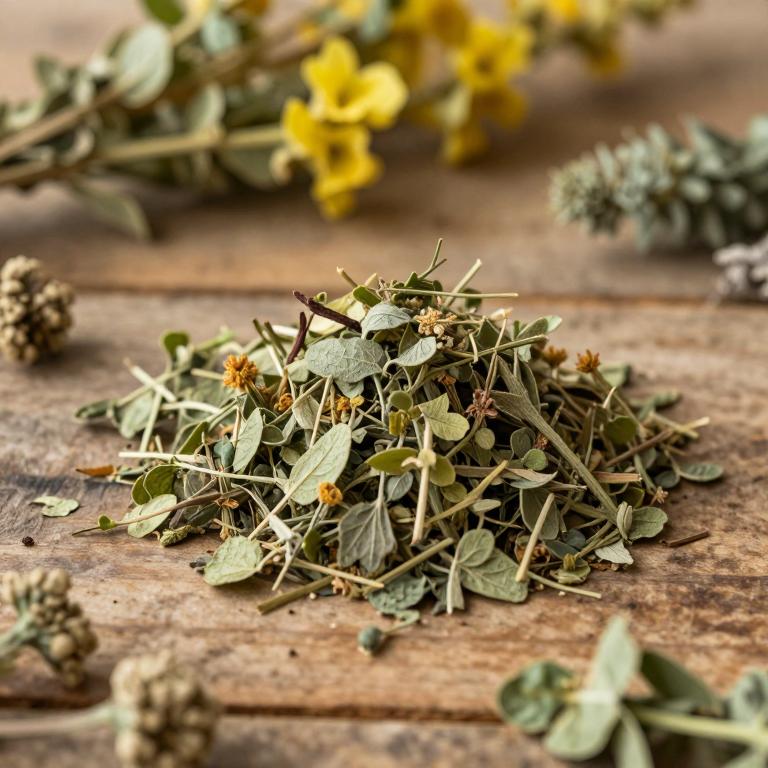
Verbascum coromandelianum is a distinctive perennial herb known for its striking architectural presence in botanical collections. This species is characterized by its tall, upright flowering stalks and textured foliage that demand attention in any garden setting. Beyond its aesthetic appeal, the plant holds significant interest in traditional botanical studies due to its unique chemical properties. Researchers and herbalists often focus on the plant to produce a specialized extract for various applications. Understanding its biological profile is essential for those looking to utilize its concentrated form effectively.
- Synonyms
- Scrophularia Chinensis · Celsia Dentata · 7 more
- Common names
- Not available
- Family
- Scrophulariaceae
- Distribution
- Not available
- Plant Parts
- Not available
Classification
Synonyms
Verbascum coromandelianum is a species that has been identified through various botanical classifications over time. Throughout its taxonomic history, it has been associated with several synonymous names, most notably within the genus Celsia. Specifically, it is linked to names such as Celsia chinensis and Celsia coromandeliana. Other recognized synonyms include Celsia coromandelina and Celsia dentata. Additionally, the plant has been referred to in literature as Celsia viscosa, reflecting the evolving nature of its botanical identity.
Sources: The World Checklist of Vascular Plants (WCVP)
Taxonomy
Verbascum coromandelianum is a fascinating botanical specimen belonging to the vast kingdom Plantae. Within this expansive group, the plant is classified under the class Equisetopsida. It further falls into the order Lamiales, showcasing its specific evolutionary placement. As a member of the Scrophulariaceae family, it shares characteristics with many other notable flowering plants. Ultimately, this species is defined by its placement within the genus Verbascum.
| Rank | Classification |
|---|---|
| Kingdom | Plantae |
| Phylum | Streptophyta |
| Class | Equisetopsida |
| Subclass | Magnoliidae |
| Order | Lamiales |
| Family | Scrophulariaceae |
| Genus | Verbascum |
Sources: The World Checklist of Vascular Plants (WCVP)
Distribution
Geographic Regions
Verbascum coromandelianum exhibits a diverse geographical range that spans across several distinct ecological zones within Asia. In the temperate regions, the species is widely distributed throughout China, including both the South-Central and Southeast provinces. Its reach extends further west into the temperate landscapes of Afghanistan. Moving into tropical climates, the plant is well-established across the Indian Subcontinent. Specifically, it thrives within the diverse environments found in both India and Bangladesh.
Sources: The World Checklist of Vascular Plants (WCVP)
Identification
Morphology
Verbascum coromandelianum is a distinctive herb characterized by its upright and sturdy structure. This self-supporting plant maintains its form naturally as it grows within its environment.
Sources: Global Inventory of Floras and Traits (GIFT)
Biological Activities
Compounds
Conditions
Preparations
Verbascum coromandelianum is prepared as an extract for use in scientific evaluations. This specific preparation method allows for the testing of its biological properties against various organisms. Although the provided abstract focuses on species like Verbascum chinense, the relationship establishes how Verbascum coromandelianum is utilized in an experimental context. The resulting extract serves as the primary medium for studying inhibitory effects on fungal growth. Consequently, the preparation of this plant as an extract is a fundamental step in its pharmacological assessment.