Varronia multispicata
Varronia multispicata · Accepted scientific name
Scientific literature: Very Sparse (2 studies) · ★☆☆☆☆
scientifically known as Varroniia multispicata, is a versatile medicinal plant celebrated in traditional healing. Renowned for its potent antioxidant and anti-inflammatory properties, it is frequently utilized to support skin health and promote wound healing. This botanical powerhouse offers significant therapeutic potential for modern pharmacological research and holistic wellness practices.
- Family
- Boraginaceae
- Native range
- Southern America
- Parts used
- Leaf
- Common names
- Not available
- Scientific synonyms
- Lithocardium Multispicatum · Cordia Multispicata · 2 more
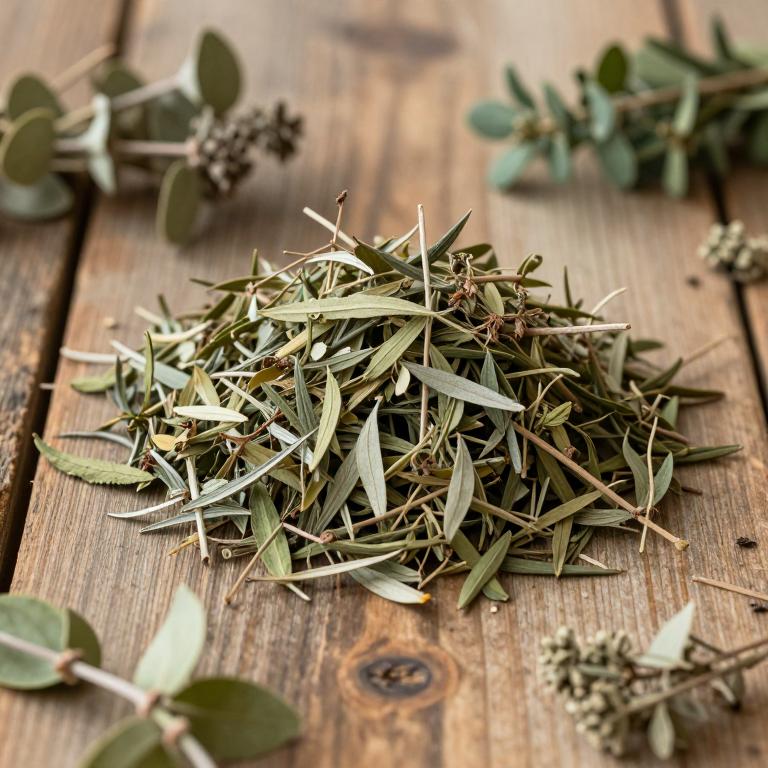
Names and Synonyms
Scientific Names
Accepted name
Varronia multispicataSynonyms
- Lithocardium multispicatum
- Cordia multispicata
- Varronia bahiensis
- Cordia bahiensis
Sources: Wikidata, Catalogue of Life
Taxonomical Classification
This plant belongs to the kingdom Plantae within the phylum Streptophyta and is classified under the class Equisetopsida. Following the subclass Magnoliidae, it is organized into the order Boraginales and the family Boraginaceae. Finally, its specific taxonomic identity is established within the genus Varronia.
| Rank | Classification |
|---|---|
| Kingdom | Plantae |
| Phylum | Streptophyta |
| Class | Equisetopsida |
| Subclass | Magnoliidae |
| Order | Boraginales |
| Family | Boraginaceae |
| Genus | Varronia |
Sources: The World Checklist of Vascular Plants (WCVP)
Distribution
This plant exhibits a widespread presence across several key regions of South America. In the northern part of the continent, it can be found growing within the territory of Guyana. Its distribution extends significantly into Brazil, covering a vast range of diverse environments. Specifically, it is documented throughout the North, Northeast, Southeast, and West-Central regions of the country. This broad coverage highlights the plant's adaptability to various Brazilian landscapes.
| Region | Area |
|---|---|
| Northern South America | Guyana |
| Brazil | Brazil West-Central |
| Brazil | Brazil Northeast |
| Brazil | Brazil Southeast |
| Brazil | Brazil North |
Sources: The World Checklist of Vascular Plants (WCVP)
Botanical Identification
Ecology
The ecology of Varronia multispicata is characterized by its adaptability to diverse and contrasting Brazilian biomes, ranging from semi-arid to humid environments. It is found inhabiting the Caatinga (strictu sensu), where it must contend with seasonal water scarcity and high solar radiation, as well as the Floresta Ombrófila (Pluvial Forest), where it thrives under more consistent moisture regimes and shaded conditions. This wide ecological amplitude allows the species to occupy varied niches, bridging the gap between the drought-resistant vegetation of the dry interior and the high-moisture, lush ecosystems of the tropical rainforests.
- Habitat :
- Caatinga (stricto sensu), Floresta Ombrófila (= Floresta Pluvial)
Life history
The life history of Varronia multispicata is characterized by its status as a perennial plant, allowing it to persist through multiple growing seasons rather than completing its life cycle in a single year. As a perennial species, it establishes a long-term presence in its natural habitat, often developing robust root systems that facilitate survival through varying environmental conditions and seasonal shifts. This enduring lifecycle enables the plant to engage in repeated reproductive cycles over several years, contributing to its stability within its ecosystem and ensuring a continuous supply of seeds for population maintenance.
- Lifecycle :
- perennial
Morphology
The morphology of Varronia multispicata is characterized by a woody growth form, specifically classified as a shrub. The plant typically reaches a mean height of approximately 2 meters. It is a self-supporting organism, lacking the climbing mechanisms of vines or lianas, and functions as an independent species rather than a parasite. Regarding its ecological habit, it is a terrestrial plant, meaning it does not exhibit epiphytic behavior (such as being a holoepiphyte or hemiepiphyte) nor is it aquatic or semiaquatic.
- Aquatic :
- terrestrial
- Climber :
- self-supporting
- Epiphyte :
- terrestrial
- Growth form :
- shrub
- Parasite :
- independent
- Plant height mean:
- 2 m
- Woodiness :
- woody
Physiology
The physiology of Varronia multispicata is characterized by its metabolic processes and nutrient acquisition strategies, which are fundamentally driven by its role as a non-nitrogen-fixing species. Unlike certain legumes, this plant does not possess a symbiotic relationship with diazotrophic bacteria to convert atmospheric nitrogen into usable forms; therefore, its nitrogen fixation status is categorized as no. Consequently, its physiological growth and development are strictly dependent on the uptake of inorganic nitrogen, such as nitrates and ammonium, from the surrounding soil matrix via its root system. The plant's metabolic efficiency is closely tied to its ability to manage nutrient absorption and transpiration rates, ensuring that nitrogen availability aligns with its photosynthetic requirements and structural development.
- Nitrogen fixer :
- no
Sources: Global Inventory of Floras and Traits (GIFT)
Plant Parts
Varronia multispicata has 1 reported plant parts identified across 1 scientific publications and several other databases that are studied for medicinal purposes. The most consistently reported plant part include leaf.
| Plant part | Supporting sources | Consensus |
|---|---|---|
| Leaf | 1 supporting sources | ★☆☆☆☆ |
Leaf
- Chemical & pharmaceutical bulletin
Chemicals
Varronia multispicata has 1 reported phytochemicals identified across 1 scientific publications and several other databases. The most consistently reported chemicals include Cordialin A.
| Chemical | Supporting sources | Consensus |
|---|---|---|
| Cordialin A | 1 supporting sources | ★☆☆☆☆ |
Cordialin A
- Journal of natural products
Preparations
Varronia multispicata has 2 reported preparations identified across 1 scientific publications and several other databases. The most consistently reported preparations include AcOEt soluble fraction of leaves, EtOAc-soluble fraction.
| Preparation | Supporting sources | Consensus |
|---|---|---|
| Acoet soluble fraction of leaves | 1 supporting sources | ★☆☆☆☆ |
| Etoac-soluble fraction | 1 supporting sources | ★☆☆☆☆ |
Acoet soluble fraction of leaves
- Chemical & pharmaceutical bulletin
Etoac-soluble fraction
- Journal of natural products