Varronia martinicensis
Varronia martinicensis · Accepted scientific name
Scientific literature: Very Sparse (0 studies) · ★☆☆☆☆
Varronia martinicensis is a versatile shrub widely recognized for its significant medicinal properties in various traditional practices. Often referred to as wild senna, this plant is highly valued for its potent natural compounds. One of its most notable characteristics is its ability to act as an effective analgesic to relieve pain. Researchers and herbalists frequently study its chemical makeup to better understand these soothing effects. Consequently, it remains a subject of great interest for those seeking botanical solutions for discomfort.
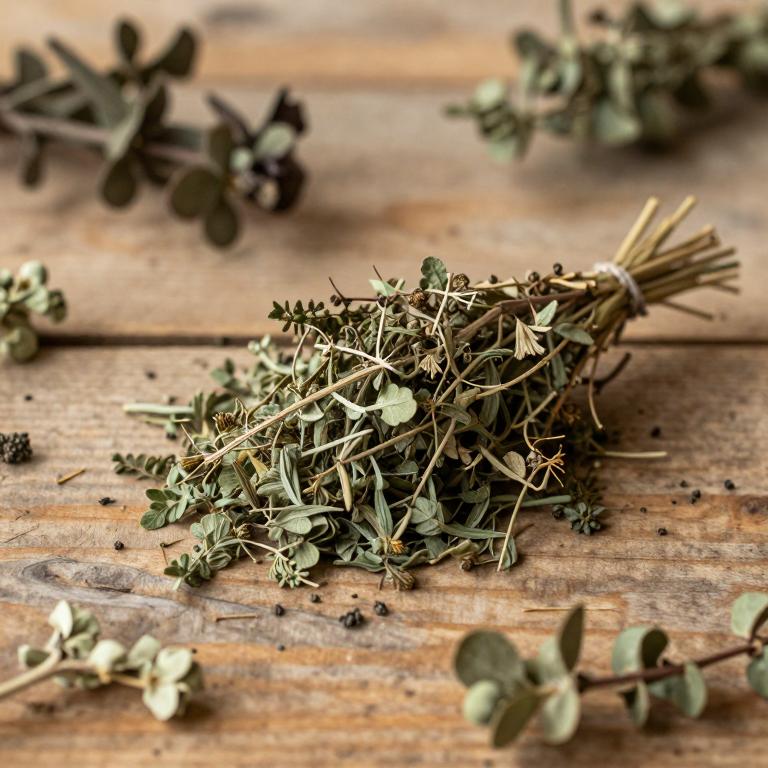
- Synonyms
- Montjolya Martinicensis · Cordia Martinicensis · 1 more
- Common names
- Not available
- Family
- Boraginaceae
- Distribution
- Not available
- Plant Parts
- Not available
Classification
Common Names
Varronia martinicensis is a versatile plant recognized by a diverse array of regional and traditional names. It is widely known by the common name Black sage, a title that reflects its botanical characteristics. In various Caribbean contexts, it is frequently referred to as Mahaut noir, Maho new, or Mahot noir. Furthermore, the species carries the distinct local name Ti bombon within the Lesser Antilles. These overlapping identities highlight the plant's deep integration into the linguistic and cultural landscape of its habitats.
Sources: Catalogue of Life (COL)
Synonyms
Varronia martinicensis is a botanical subject that is frequently identified by several different scientific names. In many taxonomic records, it is recognized by the synonym Cordia martinicensis. Researchers may also encounter this same plant documented under the name Lithocardium martinicense. Additionally, the species is sometimes referred to as Montjolya martinicensis within various botanical contexts. Understanding these various nomenclatural relationships is essential for accurate identification in the field.
Sources: The World Checklist of Vascular Plants (WCVP)
Taxonomy
Varronia martinicensis is a fascinating specimen that belongs to the vast kingdom Plantae. Within this botanical kingdom, the plant is classified under the class Equisetopsida. It further belongs to the order Boraginales, a group that highlights its evolutionary lineage. As a member of the family Boraginaceae, it shares structural traits with many other notable wildflowers. Ultimately, its identity is defined by its specific placement within the genus Varronia.
| Rank | Classification |
|---|---|
| Kingdom | Plantae |
| Phylum | Streptophyta |
| Class | Equisetopsida |
| Subclass | Magnoliidae |
| Order | Boraginales |
| Family | Boraginaceae |
| Genus | Varronia |
Sources: The World Checklist of Vascular Plants (WCVP)
Distribution
Geographic Regions
Varronia martinicensis is a resilient plant species that thrives across several tropical regions. Its natural distribution spans much of Southern America, where it adapts well to various local climates. The plant is also frequently encountered throughout the Caribbean, adding to the biodiversity of the islands. Furthermore, it maintains a notable presence within the Windward Islands. These widespread habitats highlight the species' ability to flourish in warm, maritime environments.
Sources: The World Checklist of Vascular Plants (WCVP)
Identification
Biological Activities
Compounds
Conditions
Varronia martinicensis demonstrates significant medicinal potential through its various biological activities. Research indicates that this species possesses effective analgesic properties. Additionally, the plant exhibits notable anti-inflammatory effects. It also functions as an anti-arthritic agent in studied models. These combined therapeutic attributes highlight the medicinal importance of its leaf extracts.