Varronia linnaei
Varronia linnaei · Accepted scientific name
Scientific literature: Very Sparse (1 studies) · ★☆☆☆☆
Varronia linnaei is a plant species that has garnered scientific interest due to its potential therapeutic properties. Research has specifically focused on the medicinal activities found within its root extracts. Studies have demonstrated that this plant possesses significant antifungal capabilities against the pathogen Candida albicans. These biological effects are largely attributed to the presence of specialized chemical compounds such as Cordiaquinone B and naphthoxirene. Consequently, understanding these chemical constituents is essential for exploring the plant's role in combating fungal infections.
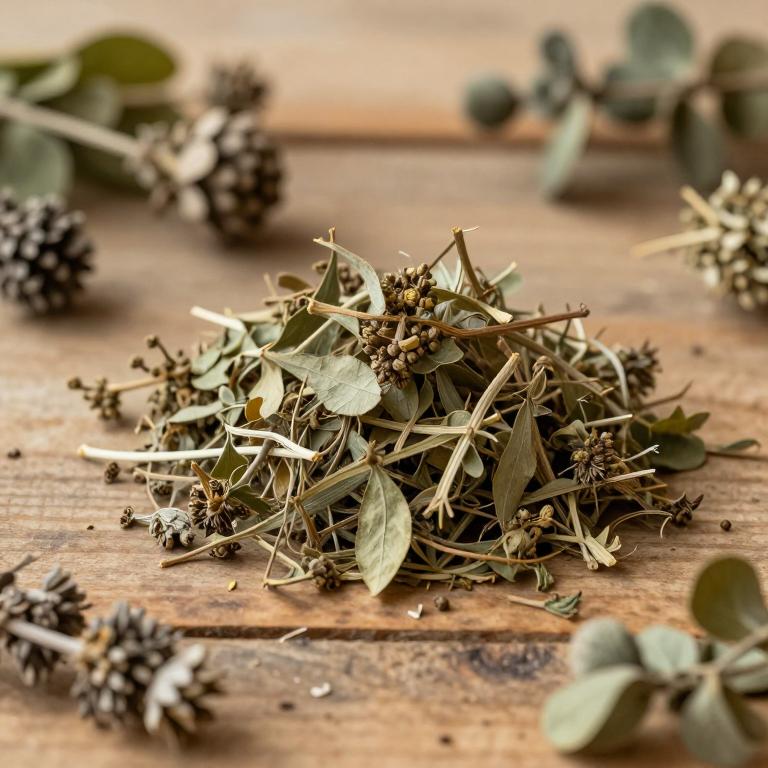
- Synonyms
- Lantana Corymbosa · Lithocardium Hermanniifolium · 3 more
- Common names
- Not available
- Family
- Boraginaceae
- Distribution
- Not available
- Plant Parts
- Root
Classification
Common Names
Varronia linnaei is a versatile plant known by many different regional names. In certain areas, it is commonly referred to as Basora prieta or Jaraguaso. It is also frequently called Black sage, reflecting its distinct characteristics. Depending on the local culture, you might also hear it identified as Palo de perico. These diverse names highlight the plant's widespread presence across various landscapes.
Sources: Catalogue of Life (COL)
Synonyms
Varronia linnaei is a botanical species known by several different scientific names throughout history. It is frequently identified by its synonym Cordia linnaei, reflecting its complex taxonomic classification. Researchers also recognize it under various other designations, such as Cordia ulmifolia var. lineata and Lantana corymbosa. Furthermore, the plant has been cataloged in botanical literature as Lithocardium hermanniifolium. Finally, the name Ulmarronia corymbosa serves as another valid synonym within its extensive lineage.
Sources: The World Checklist of Vascular Plants (WCVP)
Taxonomy
Varronia linnaei is a distinct botanical species belonging to the kingdom Plantae. Within this vast kingdom, it is classified under the class Equisetopsida. The plant further falls into the order Boraginales, showcasing its specific evolutionary lineage. It is a member of the family Boraginaceae, which helps define its biological characteristics. Finally, its taxonomic identity is solidified by its placement within the genus Varronia.
| Rank | Classification |
|---|---|
| Kingdom | Plantae |
| Phylum | Streptophyta |
| Class | Equisetopsida |
| Subclass | Magnoliidae |
| Order | Boraginales |
| Family | Boraginaceae |
| Genus | Varronia |
Sources: The World Checklist of Vascular Plants (WCVP)
Distribution
Geographic Regions
Varronia linnaei is a plant species primarily found throughout the diverse landscapes of Northern America. Its presence is particularly concentrated across various regions of Mexico, showcasing a wide ecological range. Specifically, the plant can be discovered in the central and gulf regions, as well as throughout the northeast. It further extends its reach into the northwest and southwest territories of the country. This broad distribution highlights the adaptability of the species across many different Mexican environments.
Sources: The World Checklist of Vascular Plants (WCVP)
Identification
Morphology
Varronia linnaei grows in a characteristic shrub form that defines its presence in the landscape. As a self-supporting species, it maintains its own structural integrity without the need for external support.
Sources: Global Inventory of Floras and Traits (GIFT)
Biological Activities
Varronia linnaei, also known as Cordia linnaei, has demonstrated significant antifungal properties through the isolation of specific compounds from its roots. Researchers identified three new meroterpenoid naphthoquinones and a naphthoxirene during their chemical analysis of the plant. The study revealed that the naphthoquinones specifically exhibited inhibitory activity against pathogens such as Candida albicans and Cladosporium cucumerinum. Interestingly, while these naphthoquinones also showed larvicidal effects, the naphthoxirene derivative remained inactive in the bioassays. These findings highlight the potential therapeutic value of the bioactive constituents found within this species.
Compounds
Varronia linnaei serves as a rich natural source of diverse secondary metabolites found within its roots. Chemical investigations have confirmed that this plant contains the known meroterpenoid naphthoquinone known as cordiaquinone B. Additionally, researchers have successfully isolated a specific naphthoxirene derivative from the same species. While the cordiaquinone B and other naphthoquinones exhibit significant antifungal and larvicidal properties, the naphthoxirene remained inactive in bioassays. These findings highlight the complex chemical profile of Varronia linnaei and its potential for pharmacological application.
Conditions
Varronia linnaei exhibits significant biological activity through the meroterpenoid naphthoquinones isolated from its roots. These compounds effectively treat the fungal pathogen Candida albicans. Additionally, the plant's derivatives demonstrate an ability to treat Cladosporium cucumerinum. The chemical constituents also serve to treat the larvae of the yellow fever-transmitting mosquito, Aedes aegypti. This multifunctional activity highlights the potential medicinal and insecticidal properties found within the species.
Preparations
Parts used
Varronia linnaei, also known as Cordia linnaei, contains bioactive compounds located specifically within its root system. Researchers have successfully isolated several meroterpenoid naphthoquinones and a unique naphthoxirene from these plant roots. Through advanced spectrometric methods, scientists were able to establish the precise chemical structures of these newly identified substances. The study revealed that the naphthoquinones possess significant antifungal properties against organisms like Candida albicans. Furthermore, these compounds demonstrated effective larvicidal activity against the yellow fever-transmitting mosquito, Aedes aegypti.