Vanilla chamissonis
Vanilla chamissonis · Accepted scientific name
Scientific literature: Very Sparse (0 studies) · ★☆☆☆☆
Vanilla chamissonis is a specialized orchid species that plays a significant role in its native ecological niche. Understanding the specific environmental requirements of this plant is essential for ensuring its long-term survival. Recent scientific studies have focused heavily on monitoring cell viability to assess the health of its delicate tissues. By analyzing cellular integrity, researchers can better predict how the species responds to various physiological stressors. This fundamental data provides a critical foundation for developing effective conservation strategies for the plant.
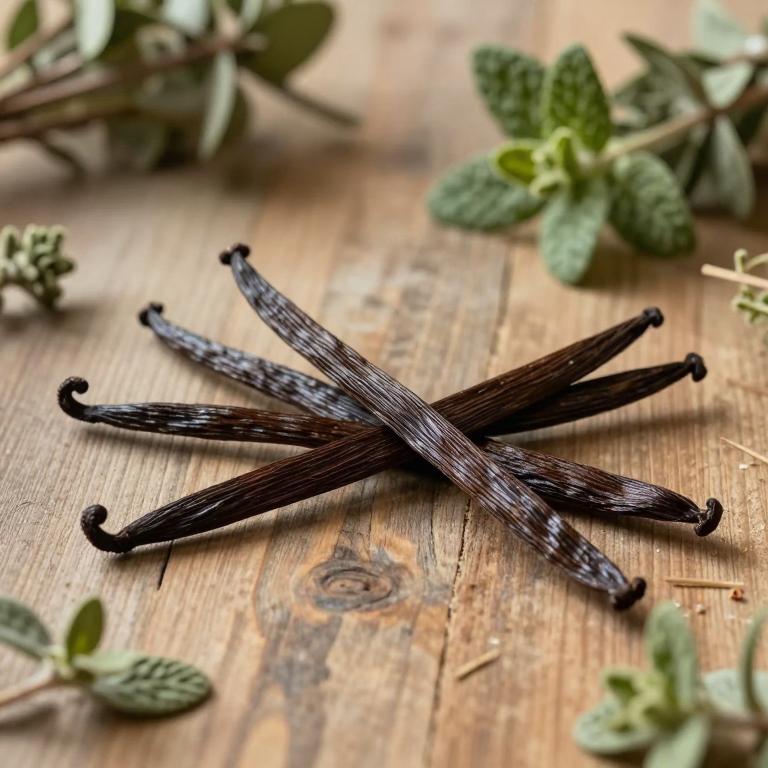
- Synonyms
- Vanilla Chamissonis Var. Brevifolia
- Common names
- Not available
- Family
- Orchidaceae
- Distribution
- Not available
- Plant Parts
- Not available
Classification
Common Names
Vanilla chamissonis is a distinctive orchid species that is recognized by various names across different cultures. In Portuguese-speaking regions, it is widely known by the common name Orquídea-baunilha. Meanwhile, in Chinese contexts, the plant is referred to as 卡米索香莢蘭. These diverse linguistic labels reflect the global interest in this unique member of the orchid family. Understanding these various names helps enthusiasts identify the plant regardless of their geographical location.
Sources: Catalogue of Life (COL)
Synonyms
Vanilla chamissonis is a distinctive species within the orchid family that is often recognized by its unique botanical characteristics. In taxonomic literature, this plant is also frequently referred to by its synonym, Vanilla chamissonis var. brevifolia. This naming variation serves to clarify specific morphological traits that distinguish certain populations from the broader species. Understanding these nomenclatural relationships is essential for researchers tracking the plant's biodiversity across different habitats. Consequently, identifying these synonyms ensures accuracy when studying the evolutionary lineage of this particular vanilla variety.
Sources: The World Checklist of Vascular Plants (WCVP)
Taxonomy
Vanilla chamissonis is a remarkable specimen that belongs to the diverse kingdom Plantae. Within this vast biological realm, the plant is classified under the class Equisetopsida. It further occupies a specific niche within the order Asparagales, showcasing its evolutionary connections. As a member of the genus Vanilla, it shares a lineage with many well-known aromatic species. Ultimately, its identity is defined by its placement within the highly specialized family Orchidaceae.
| Rank | Classification |
|---|---|
| Kingdom | Plantae |
| Phylum | Streptophyta |
| Class | Equisetopsida |
| Subclass | Magnoliidae |
| Order | Asparagales |
| Family | Orchidaceae |
| Genus | Vanilla |
Sources: The World Checklist of Vascular Plants (WCVP)
Distribution
Geographic Regions
Vanilla chamissonis is a plant with a widespread distribution across several regions of South America. It can be found throughout various parts of Brazil, including both the Northeast and Southeast territories. The species also extends its range into Northern South America, specifically within French Guiana. Furthermore, its presence reaches into Western South America, notably within the borders of Bolivia. This diverse geographical footprint highlights the plant's ability to thrive in multiple South American ecosystems.
Sources: The World Checklist of Vascular Plants (WCVP)
Identification
Morphology
Vanilla chamissonis is characterized by its distinct herbaceous growth form. This species relies on an obligatory climbing habit to navigate its environment and reach necessary light sources.
Sources: Global Inventory of Floras and Traits (GIFT)
Biological Activities
Compounds
Conditions
Vanilla chamissonis was evaluated regarding its effects on cell viability, cytotoxicity, and genotoxicity. Research into its methanolic extracts demonstrated that the plant does not exhibit mutagenic or genotoxic potential. Specifically, the study found no evidence of genotoxicity or reduction in the Nucleus Division Index following exposure. Furthermore, the species showed no mutagenicity or cytotoxicity across the tested concentrations. These findings suggest that Vanilla chamissonis maintains safety profiles regarding cell viability and genetic stability.