Vanda tessellata subsp. tesselloides
Vanda tessellata subsp. tesselloides · Accepted scientific name
Scientific literature: Very Sparse (0 studies) · ★☆☆☆☆
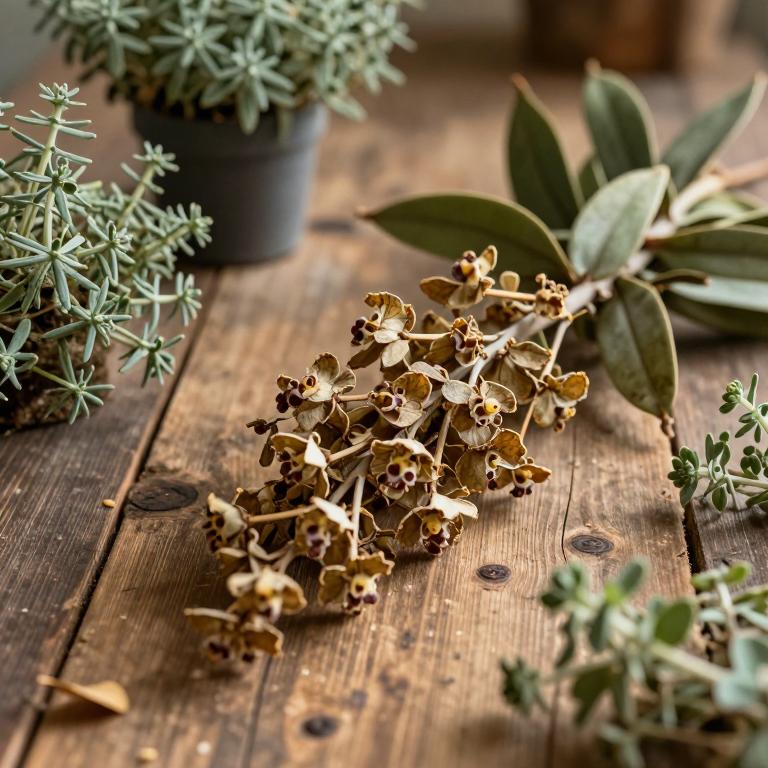
Vanda tessellata subsp. tesselloides is a unique botanical specimen recognized for its distinct morphological characteristics within the orchid family. In traditional medicinal practices, the roots of this specific subspecies are utilized for their diverse therapeutic properties. It is frequently employed as a natural remedy to alleviate respiratory issues such as bronchitis. Furthermore, the plant is used to soothe digestive discomforts including dyspepsia and to help manage symptoms of fever. It may also be applied in traditional treatments to calm persistent hiccoughs.
- Synonyms
- Vanda Roxburghii · Vanda Roxburghii Var. Coerulea · 3 more
- Common names
- Not available
- Family
- Orchidaceae
- Distribution
- Not available
- Plant Parts
- Root
Classification
Synonyms
Vanda tessellata subsp. tesselloides is a taxonomically complex orchid that is frequently associated with several different botanical names. In various scientific literatures, this specific subspecies is recognized by its synonym, Vanda roxburghii. This relationship extends to several distinct color variations, including Vanda roxburghii var. coerulea and Vanda roxburghii var. rubra. Additionally, researchers often link the plant to Vanda roxburghii var. spooneri within historical classifications. Finally, the name Vanda suavis var. rubra also serves as a synonym, highlighting the intricate web of nomenclature surrounding this species.
Sources: The World Checklist of Vascular Plants (WCVP)
Taxonomy
Vanda tessellata subsp. tesselloides belongs to the vast kingdom Plantae, showcasing the incredible diversity of the natural world. Within this kingdom, it is classified under the class Equisetopsida and falls into the order Asparagales. This specific subspecies is a proud member of the Orchidaceae family, a group renowned for its striking and complex blooms. Further narrowing its biological identity, it is categorized under the genus Vanda. Through these scientific relationships, one can better appreciate the precise evolutionary lineage of this unique plant.
| Rank | Classification |
|---|---|
| Kingdom | Plantae |
| Phylum | Streptophyta |
| Class | Equisetopsida |
| Subclass | Magnoliidae |
| Order | Asparagales |
| Family | Orchidaceae |
| Genus | Vanda |
Sources: The World Checklist of Vascular Plants (WCVP)
Distribution
Geographic Regions
Vanda tessellata subsp. tesselloides is a versatile plant species with a widespread geographical range spanning across various Asian climates. In temperate regions, its presence is noted within China and the South-Central parts of the country. The subspecies also thrives in tropical environments, particularly throughout the Indian Subcontinent. Its distribution extends through diverse landscapes including Assam, Bangladesh, and the East Himalaya. Furthermore, this resilient orchid can be found nestled within the unique ecosystems of Nepal.
Sources: The World Checklist of Vascular Plants (WCVP)
Identification
Biological Activities
Compounds
Conditions
Vanda tessellata subsp. tesselloides is utilized in traditional medicine to treat several different ailments. Specifically, this plant is used to manage bronchitis and alleviate symptoms of fever. It also serves as a remedy for digestive issues such as dyspepsia. Furthermore, the plant is applied to treat hiccough. Finally, it is known to be effective in treating various diseases of the nervous system.
Preparations
Parts used
Vanda tessellata subsp. tesselloides possesses a specialized part known as the root. While this specific subspecies is noted for its structural components, other members of the Vanda genus demonstrate significant medicinal potential. For instance, the root of Vanda roxburghii is traditionally used to treat a variety of ailments, including inflammation and fever. Recent scientific evaluations have confirmed that extracts from these roots can act as potent analgesics in animal models. Understanding these botanical relationships helps highlight the therapeutic value found within different parts of the Vanda plant family.