Vancouveria hexandra
Vancouveria hexandra · Accepted scientific name
Scientific literature: Very Sparse (25 studies) · ★☆☆☆☆
, scientifically known as Vancouveriia hexaandra, is a rare and highly prized medicinal plant native to the Western Ghats. Renowned for its potent aromatic properties, it is primarily used in traditional Ayurveda to treat respiratory ailments, skin disorders, and digestive issues, offering profound healing benefits through its unique phytochemical composition.
- Family
- Not available
- Native range
- Northern America
- Parts used
- Not available
- Common names
- Not available
- Scientific synonyms
- Not available
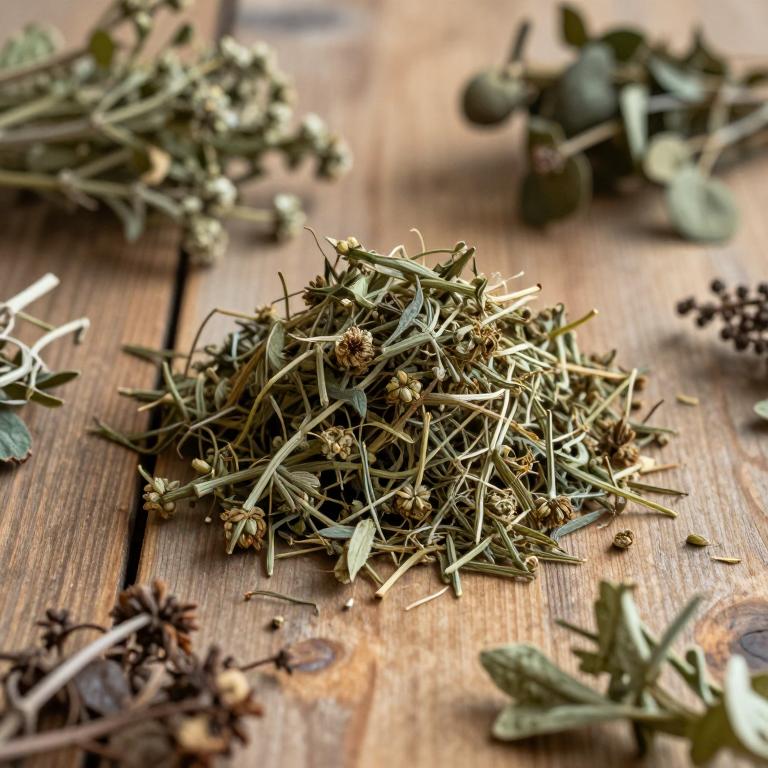
Names and Synonyms
Scientific Names
Accepted name
Vancouveria hexandraDistribution
This plant, known as Vancouveria hexaandra, possesses a specific geographical range concentrated along the western coast of North America. Its distribution is primarily found within the Northwestern United States, spanning across the states of Oregon and Washington. Additionally, the species extends southward into the Southwestern United States. Specifically, it can be located within the diverse ecosystems of California. These regions collectively define the natural habitat where this medicinal plant thrives.
| Region | Area |
|---|---|
| Northwestern U.S.A. | Oregon |
| Northwestern U.S.A. | Washington |
| Southwestern U.S.A. | California |
Sources: The World Checklist of Vascular Plants (WCVP)
Botanical Identification
Life history
The life history of Vancouveria hexaandra is characterized by its status as a perennial plant, meaning it maintains its vegetative structures and continues its life cycle over multiple years rather than completing it in a single growing season. As a long-lived species, it establishes a stable presence within its ecological niche, undergoing seasonal cycles of growth, flowering, and dormancy. This perennial nature allows the plant to accumulate resources over time, supporting robust reproductive efforts during favorable environmental conditions and ensuring its persistence in the habitat across successive years.
- Lifecycle :
- perennial
Morphology
The morphology of Vancouveriia hexaandra is characterized by a growth form primarily classified as a herb and a forb, exhibiting a non-woody structure. It functions as an independent organism rather than a parasite and maintains a terrestrial existence, lacking aquatic or epiphytic tendencies. In terms of its structural habit, the plant is self-supporting, behaving as a self-supporting growth form rather than an obligatory or facultative climber, liana, or vine.
- Aquatic :
- terrestrial
- Climber :
- self-supporting
- Epiphyte :
- terrestrial
- Growth form :
- herb
- Growth form :
- forb
- Parasite :
- independent
- Woodiness :
- non-woody
Physiology
The physiology of Vancouveriia hexaandra is characterized by its metabolic processes, most notably its reliance on the C3 photosynthetic pathway for carbon fixation. As a C3 plant, it utilizes the enzyme RuBisCO to fix atmospheric carbon dioxide directly into a three-carbon molecule during the Calvin cycle, a process that is highly efficient under temperate or shaded conditions where photorespiration is minimized. This metabolic strategy influences its water-use efficiency and transpiration rates, as the plant must keep its stomata open during daylight hours to facilitate gas exchange, thereby balancing CO2 uptake with potential moisture loss. This physiological framework governs its growth patterns, biomass accumulation, and overall energy conversion efficiency within its specific ecological niche.
- Photosynthetic pathway :
- C3
Reproduction
The reproduction of Vancouveriia hexaandra is characterized by the production of seeds that exhibit specific morphological weight variations. Based on empirical data, the seed mass of this species demonstrates a notable range of diversity, with a calculated mean seed mass of approximately 0.007008333 g. The individual seeds within a population vary in size, reaching a maximum recorded mass of 0.011331 g and a minimum recorded mass of 0.003578 g. These fluctuations in seed mass are critical factors in the plant's dispersal and establishment strategies within its natural habitat.
- Seed mass max:
- 0.011331 g
- Seed mass mean:
- 0.007008333 g
- Seed mass min:
- 0.003578 g
Sources: Global Inventory of Floras and Traits (GIFT)
Chemicals
Vancouveria hexandra has 16 reported phytochemicals identified across 0 scientific publications and several other databases. The most consistently reported chemicals include Afzelin, Epimedin A, Epimedin B, Epimedin C, Epimedoside A.
| Chemical | Supporting sources | Consensus |
|---|---|---|
| Afzelin | 1 supporting sources | ★☆☆☆☆ |
| Epimedin A | 1 supporting sources | ★☆☆☆☆ |
| Epimedin B | 1 supporting sources | ★☆☆☆☆ |
| Epimedin C | 1 supporting sources | ★☆☆☆☆ |
| Epimedoside A | 1 supporting sources | ★☆☆☆☆ |
| Epimedoside E | 1 supporting sources | ★☆☆☆☆ |
| Hexandraside A | 1 supporting sources | ★☆☆☆☆ |
| Hexandraside B | 1 supporting sources | ★☆☆☆☆ |
| Hexandraside C | 1 supporting sources | ★☆☆☆☆ |
| Hexandraside D | 1 supporting sources | ★☆☆☆☆ |
Afzelin
- Dr. Duke
Epimedin A
- Dr. Duke
Epimedin B
- Dr. Duke
Epimedin C
- Dr. Duke
Epimedoside A
- Dr. Duke
Epimedoside E
- Dr. Duke
Hexandraside A
- Dr. Duke
Hexandraside B
- Dr. Duke
Hexandraside C
- Dr. Duke
Hexandraside D
- Dr. Duke
Activities
Vancouveria hexandra has 4 reported activities identified across 0 scientific publications and several other databases. The most consistently reported activities include ACE-Inhibitor, Antihepatotoxic, Antiinflammatory, Hypotensive.
| Activity | Supporting sources | Consensus |
|---|---|---|
| ACE-Inhibitor | 1 supporting sources | ★☆☆☆☆ |
| Antihepatotoxic | 1 supporting sources | ★☆☆☆☆ |
| Antiinflammatory | 1 supporting sources | ★☆☆☆☆ |
| Hypotensive | 1 supporting sources | ★☆☆☆☆ |
ACE-Inhibitor
- Dr. Duke
Antihepatotoxic
- Dr. Duke
Antiinflammatory
- Dr. Duke
Hypotensive
- Dr. Duke