Valerianopsis
Valeriana · Accepted scientific name
Scientific literature: Very Sparse (35 studies) · ★☆☆☆☆
Valeriana, scientifically known as Valeriana, is a cherished medicinal herb renowned for its potent calming properties. Long utilized in traditional medicine, its roots contain essential compounds that effectively alleviate anxiety, promote restful sleep, and reduce stress. This versatile botanical serves as a natural remedy for restoring harmony and tranquility.
- Family
- Caprifoliaceae
- Native range
- Europe
- Parts used
- Rhizome · Root
- Common names
- Valerian · Valerians
- Scientific synonyms
- Oligacoce · Phuodendron · 27 more
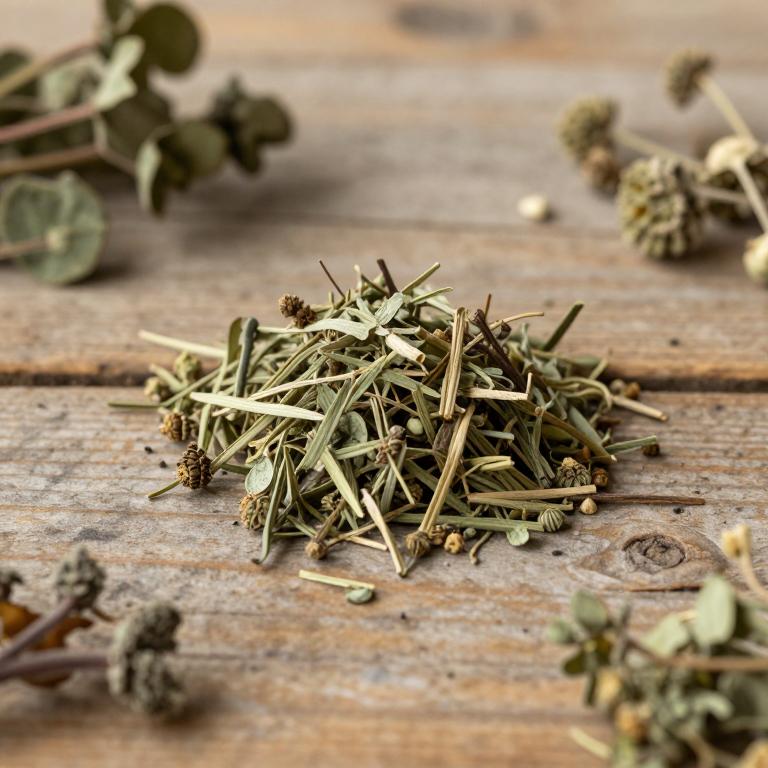
Names and Synonyms
Common Names
- Valerian
- valerians
Scientific Names
Accepted name
ValerianaSynonyms
- Oligacoce
- Phuodendron
- Dufresnia
- Phu
- Valerianopsis
- Pseudobetckea
- Phyllactis
- Porteria
- Siphonella
- Ocymastrum
- Monastes
- Mitrophora
- Amblyorhinum
- Masema
- Hemesotria
- Hybidium
- Fuisa
- Fedia
- Aretiastrum
- Centranthus
- Aligera
- Locusta
- Belonanthus
- Odontocarpa
- Astrephia
- Stangea
- Saliunca
- Plectritis
- Betckea
Regional and Traditional Names
Spanish:
- valerianas
German:
- Baldriane
- Baldrian
- Katzenkraut
- Baldrian
- Baldriane
French:
- Valériane
- Valérianes
- Valériane
Sources: Wikidata, Catalogue of Life
Taxonomical Classification
This plant belongs to the kingdom Plantae and the phylum Streptophyta, falling under the class Equisetopsida and subclass Magnoliidae. Within the order Dipsacales, it is classified under the family Caprifoliaceae. Finally, the specific taxonomic designation for this medicinal species is the genus Valeriana.
| Rank | Classification |
|---|---|
| Kingdom | Plantae |
| Phylum | Streptophyta |
| Class | Equisetopsida |
| Subclass | Magnoliidae |
| Order | Dipsacales |
| Family | Caprifoliaceae |
| Genus | Valeriana |
Sources: The World Checklist of Vascular Plants (WCVP)
Distribution
This plant is widely distributed across several regions of Northern Europe. It can be found growing in the natural landscapes of Denmark. Additionally, its presence is documented within the territories of Finland. The species also inhabits the coastal and inland areas of Great Britain. Finally, its geographical range extends to the islands of Iceland and Ireland.
| Region | Area |
|---|---|
| Northern Europe | Denmark |
| Northern Europe | Finland |
| Northern Europe | Great Britain |
| Northern Europe | Iceland |
| Northern Europe | Ireland |
| Northern Europe | Norway |
| Northern Europe | Sweden |
| Middle Europe | Austria |
| Middle Europe | Belgium |
| Middle Europe | Czechia-Slovakia |
Sources: The World Checklist of Vascular Plants (WCVP)
Plant Parts
Valeriana has 2 reported plant parts identified across 2 scientific publications and several other databases that are studied for medicinal purposes. The most consistently reported plant part include rhizome, root.
| Plant part | Supporting sources | Consensus |
|---|---|---|
| Rhizome | 1 supporting sources | ★☆☆☆☆ |
| Root | 1 supporting sources | ★☆☆☆☆ |
Rhizome
- Fitoterapia
Root
- Fitoterapia
Chemicals
Valeriana has 13 reported phytochemicals identified across 2 scientific publications and several other databases. The most consistently reported chemicals include Baldrinal, Catalpol, Didrovaltratum, Dihydrovaltrate, Flavonoids.
| Chemical | Supporting sources | Consensus |
|---|---|---|
| Baldrinal | 1 supporting sources | ★☆☆☆☆ |
| Catalpol | 1 supporting sources | ★☆☆☆☆ |
| Didrovaltratum | 1 supporting sources | ★☆☆☆☆ |
| Dihydrovaltrate | 1 supporting sources | ★☆☆☆☆ |
| Flavonoids | 1 supporting sources | ★☆☆☆☆ |
| Homobaldrinal | 1 supporting sources | ★☆☆☆☆ |
| Lignans | 1 supporting sources | ★☆☆☆☆ |
| Loganin | 1 supporting sources | ★☆☆☆☆ |
| MAGNESIUM | 1 supporting sources | ★☆☆☆☆ |
| MANGANESE | 1 supporting sources | ★☆☆☆☆ |
Baldrinal
- Mutation research
Catalpol
- Electrophoresis
Didrovaltratum
- Journal of chromatography
Dihydrovaltrate
- Mutation research
Flavonoids
- Frontiers in pharmacology
Homobaldrinal
- Mutation research
Lignans
- Frontiers in pharmacology
Loganin
- Electrophoresis
MAGNESIUM
- Analytical and bioanalytical chemistry
MANGANESE
- Analytical and bioanalytical chemistry
Activities
Valeriana has 14 reported activities identified across 2 scientific publications and several other databases. The most consistently reported activities include Antispasmodic, Analgesic, Antibacterial, Anticonvulsant, Antidepressant.
| Activity | Supporting sources | Consensus |
|---|---|---|
| Antispasmodic | 2 supporting sources | ★☆☆☆☆ |
| Analgesic | 1 supporting sources | ★☆☆☆☆ |
| Antibacterial | 1 supporting sources | ★☆☆☆☆ |
| Anticonvulsant | 1 supporting sources | ★☆☆☆☆ |
| Antidepressant | 1 supporting sources | ★☆☆☆☆ |
| Antiepileptic | 1 supporting sources | ★☆☆☆☆ |
| Antiprotozoal | 1 supporting sources | ★☆☆☆☆ |
| Antitumor | 1 supporting sources | ★☆☆☆☆ |
| Antiviral | 1 supporting sources | ★☆☆☆☆ |
| Anxiolytic | 1 supporting sources | ★☆☆☆☆ |
Antispasmodic
- Archives internationales de pharmacodynamie et de therapie
- Frontiers in pharmacology
Analgesic
- Frontiers in pharmacology
Antibacterial
- Frontiers in pharmacology
Anticonvulsant
- Frontiers in pharmacology
Antidepressant
- Frontiers in pharmacology
Antiepileptic
- Frontiers in pharmacology
Antiprotozoal
- Molecules (Basel, Switzerland)
Antitumor
- Frontiers in pharmacology
Antiviral
- Frontiers in pharmacology
Anxiolytic
- Frontiers in pharmacology
Conditions
Valeriana has 5 reported investigations on conditions identified across 2 scientific publications and several other databases. The most consistently reported conditions include diarrhea, inflammation, insomnia, pain, tumors.
| Condition | Supporting sources | Consensus |
|---|---|---|
| Diarrhea | 1 supporting sources | ★☆☆☆☆ |
| Inflammation | 1 supporting sources | ★☆☆☆☆ |
| Insomnia | 1 supporting sources | ★☆☆☆☆ |
| Pain | 1 supporting sources | ★☆☆☆☆ |
| Tumors | 1 supporting sources | ★☆☆☆☆ |
Diarrhea
- Frontiers in pharmacology
Inflammation
- Frontiers in pharmacology
Insomnia
- Frontiers in pharmacology
Pain
- Frontiers in pharmacology
Tumors
- Frontiers in pharmacology
Preparations
Valeriana has 4 reported preparations identified across 2 scientific publications and several other databases. The most consistently reported preparations include extracts, Valeriana crude extracts, commercial Valeriana preparations, essential oils.
| Preparation | Supporting sources | Consensus |
|---|---|---|
| Extracts | 3 supporting sources | ★★☆☆☆ |
| Valeriana crude extracts | 1 supporting sources | ★☆☆☆☆ |
| Commercial valeriana preparations | 1 supporting sources | ★☆☆☆☆ |
| Essential oils | 1 supporting sources | ★☆☆☆☆ |
Extracts
- Phytomedicine : international journal of phytotherapy and phytopharmacology
- Molecules (Basel, Switzerland)
- Biofizika
Valeriana crude extracts
- Journal of chromatography
Commercial valeriana preparations
- Journal of chromatography
Essential oils
- Frontiers in pharmacology