Valeriana alpestris
Valeriana alpestris · Accepted scientific name
Scientific literature: Very Sparse (4 studies) · ★☆☆☆☆
Valeriana alpestris, scientifically known as Valeriana alpestris, is a resilient perennial herb native to high-altitude alpine regions. Characterized by its delicate white flowers and slender leaves, this species thrives in rocky terrains. While closely related to common valerian, it is primarily valued for its unique ecological presence in mountain ecosystems.
- Family
- Caprifoliaceae
- Native range
- Asia-Temperate
- Parts used
- Not available
- Common names
- Not available
- Scientific synonyms
- Valeriana Alpina Var. Exaltata
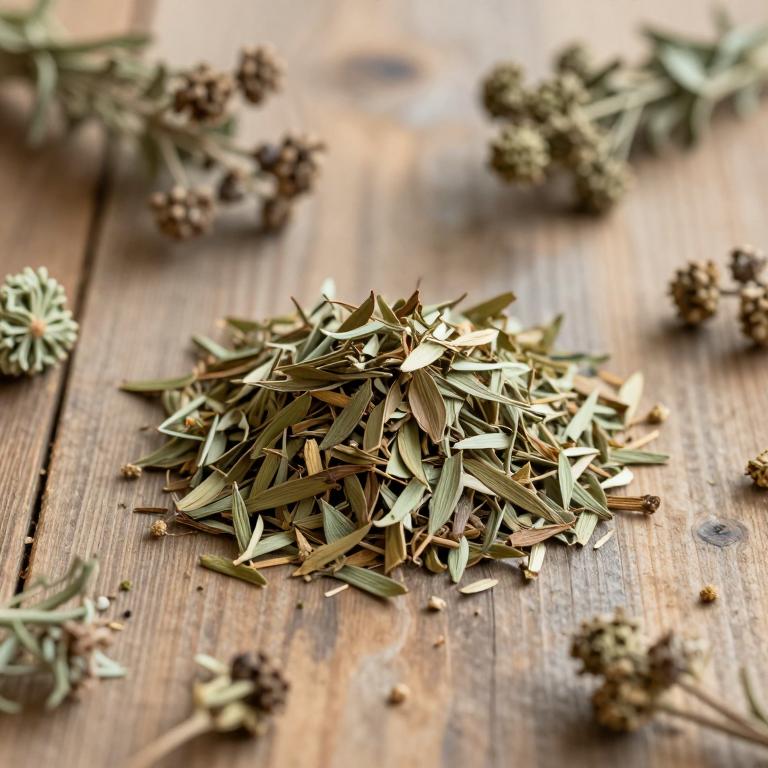
Names and Synonyms
Scientific Names
Accepted name
Valeriana alpestrisSynonyms
- Valeriana alpina var. exaltata
Sources: Wikidata, Catalogue of Life
Taxonomical Classification
This plant belongs to the kingdom Plantae and the phylum Streptophyta, falling under the class Equisetopsida and subclass Magnoliidae. Within the order Dipsacales, it is classified under the family Caprifoliaceae and is identified by the genus Valeriana.
| Rank | Classification |
|---|---|
| Kingdom | Plantae |
| Phylum | Streptophyta |
| Class | Equisetopsida |
| Subclass | Magnoliidae |
| Order | Dipsacales |
| Family | Caprifoliaceae |
| Genus | Valeriana |
Sources: The World Checklist of Vascular Plants (WCVP)
Distribution
This plant exhibits a specific geographical range concentrated within the mountainous regions of Western Asia. Its distribution includes significant presence throughout the North Caucasus area. Additionally, it can be found inhabiting various parts of the Transcaucasus. The species is also documented growing within the borders of Türkiye. These locations highlight its preference for the unique terrains found within these specific territories.
| Region | Area |
|---|---|
| Caucasus | North Caucasus |
| Caucasus | Transcaucasus |
| Western Asia | Türkiye |
Sources: The World Checklist of Vascular Plants (WCVP)
Botanical Identification
Ecology
The ecology of Valeriana alpestris is defined by its specialized adaptation to high-altitude alpine environments, where it thrives across a significant vertical gradient. This species is primarily found in montane and subalpine zones, occupying an elevational range that extends from a minimum of 1800 m AMSL to a maximum of 3200 m AMSL. Its preferred habitats are diverse yet characteristic of rugged mountain landscapes, ranging from lush mountain meadows and moist swamps to more austere, stony places. This ability to inhabit both saturated soil conditions and rocky, well-drained terrain allows the plant to persist in the varied microclimates typical of high-elevation ecosystems.
- Elevational range max:
- 3200 m AMSL
- Elevational range min:
- 1800 m AMSL
- Habitat :
- meadows, mountains, stony places, swamps
Life history
The life history of Valeriana alpestris is characterized by its status as a perennial plant, allowing it to persist through multiple growing seasons in its high-altitude habitats. As a perennial species, it avoids the complete die-back seen in annuals, instead focusing its energy on developing robust root systems that can withstand harsh alpine environments and facilitate regrowth after periods of dormancy. This long-term survival strategy enables the plant to establish a stable presence within its ecosystem, cycling through seasonal periods of vegetative growth and flowering to ensure long-term reproductive success.
- Lifecycle :
- perennial
Morphology
The morphology of Valeriana alpestris is characterized by its diminutive stature and herbaceous growth form. This plant is a non-woody herb that typically maintains a very low profile, with a plant height ranging from a minimum of 0.03 m to a maximum of 0.08 m. As a herb, it lacks woody tissues, contributing to its delicate and compact structural habit.
- Growth form :
- herb
- Plant height max:
- 0.08 m
- Plant height min:
- 0.03 m
- Woodiness :
- non-woody
Reproduction
The reproduction of Valeriana alpestris is closely tied to its seasonal flowering cycle, which is specifically adapted to its alpine environment. The flowering period typically commences in May and continues through the warmer months, eventually concluding in August. This window of reproductive activity ensures that the plant can successfully utilize the peak growing season for pollination and subsequent seed development.
- Flowering time :
- May
- Flowering time :
- Aug
Sources: Global Inventory of Floras and Traits (GIFT)
Chemicals
Valeriana alpestris has 3 reported phytochemicals identified across 0 scientific publications and several other databases. The most consistently reported chemicals include 4-HYDROXYBENZOIC ACID, apigenin, quercetin.
| Chemical | Supporting sources | Consensus |
|---|---|---|
| 4-HYDROXYBENZOIC ACID | 1 supporting sources | ★☆☆☆☆ |
| apigenin | 1 supporting sources | ★☆☆☆☆ |
| quercetin | 1 supporting sources | ★☆☆☆☆ |
4-HYDROXYBENZOIC ACID
- Plants (Basel, Switzerland)
apigenin
- Plants (Basel, Switzerland)
quercetin
- Plants (Basel, Switzerland)
Preparations
Valeriana alpestris has 1 reported preparations identified across 0 scientific publications and several other databases. The most consistently reported preparations include ethanolic extracts.
| Preparation | Supporting sources | Consensus |
|---|---|---|
| Ethanolic extracts | 1 supporting sources | ★☆☆☆☆ |
Ethanolic extracts
- Plants (Basel, Switzerland)