Urtica
Urtica · Accepted scientific name
Scientific literature: Very Sparse (8 studies) · ★☆☆☆☆
Urtica is a versatile plant genus renowned in traditional medicine for its wide range of therapeutic activities. Research indicates that its extracts possess significant anthelmintic, antibacterial, antidiabetic, and antihypertensive properties. These potent biological effects make the plant a subject of interest for managing various health conditions, including cancer and bronchitis. Furthermore, it is frequently utilized to alleviate respiratory issues like coughs and gastrointestinal distress such as diarrhea. Through various medicinal preparations, Urtica continues to demonstrate its potential as a valuable natural resource for human health.
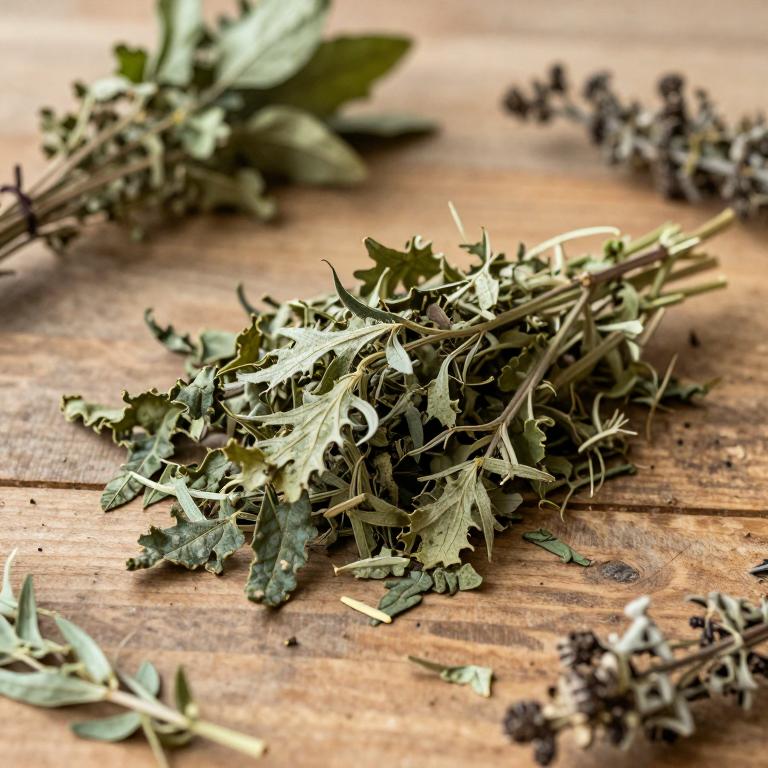
- Synonyms
- Selepsion
- Common names
- Not available
- Family
- Urticaceae
- Distribution
- Not available
- Plant Parts
- Not available
Classification
Common Names
Urtica is a versatile plant known by many different regional names across various languages. It is commonly referred to as Asun in certain contexts, highlighting its linguistic diversity. In many Germanic-speaking areas, it is frequently called Braannäädler or Brandnetel. You might also encounter it being identified as Brennessel depending on the local dialect. Finally, the name Brennieëtel serves as another common way to recognize this distinctive species.
Sources: Catalogue of Life (COL)
Synonyms
Urtica is a well-known genus that often requires careful botanical classification to avoid confusion. Within taxonomic literature, researchers have identified that this plant is also recognized by the synonym Selepsion. This secondary name serves as an important reference point for scientists studying its evolutionary lineage. Understanding these linguistic connections ensures that data remains consistent across different botanical databases. Consequently, recognizing the link between Urtica and Selepsion is essential for accurate plant identification.
Sources: The World Checklist of Vascular Plants (WCVP)
Taxonomy
Urtica is a fascinating organism belonging to the vast kingdom Plantae. Within this diverse group, it is specifically classified under the class Equisetopsida. The plant is further organized into the order Rosales, which helps botanists understand its evolutionary connections. It falls under the family Urticaceae, a group known for distinct botanical characteristics. Ultimately, it is defined by its own specific genus, Urtica.
| Rank | Classification |
|---|---|
| Kingdom | Plantae |
| Phylum | Streptophyta |
| Class | Equisetopsida |
| Subclass | Magnoliidae |
| Order | Rosales |
| Family | Urticaceae |
| Genus | Urtica |
Sources: The World Checklist of Vascular Plants (WCVP)
Distribution
Geographic Regions
Urtica exhibits a diverse geographical presence across several key regions of the African continent. Within East Tropical Africa, the plant is widely distributed throughout Kenya, Tanzania, and Uganda. Its reach also extends into the Atlantic via the Macaronesia region. Specifically, populations can be found thriving in the Azores as well as the Canary Islands. This broad distribution highlights the plant's ability to adapt to various island and mainland environments.
Sources: The World Checklist of Vascular Plants (WCVP)
Identification
Biological Activities
Urtica, commonly known as stinging nettles, has a long history of medicinal use dating back to the Bronze Age. Scientific investigations into its phytochemical composition have revealed a diverse range of biological activities. These include potent antibacterial effects, which can be utilized alongside silver nanoparticles to combat multidrug-resistant bacteria. Furthermore, the genus exhibits significant antihypertensive and antidiabetic properties that assist in managing various metabolic disorders. The plant also demonstrates valuable antiviral and anthelmintic activities, highlighting its broad therapeutic potential.
Compounds
Urtica, commonly known as stinging nettles, is a genus within the Urticaceae family recognized for its diverse medicinal properties. Scientific analysis has revealed that these plants are rich in a variety of bioactive compounds, including flavonoids and lignans. Furthermore, the phytochemical profile of Urtica is characterized by the presence of essential sterols and terpenoids. These plants also contain significant amounts of polyphenols, which contribute to their extensive therapeutic potential. Together, these various constituents support the plant's long history of use in treating numerous health disorders.
Conditions
Urtica species have a long history of medicinal use, including the treatment of cancer and bronchitis. These plants are also utilized to manage respiratory issues such as a cough. Furthermore, Urtica is effective in treating gastrointestinal concerns like diarrhea. Recent research also highlights its potential in combatting colistin-resistant Pseudomonas aeruginosa when used in synergistic combinations.
Preparations
Urtica is prepared as extracts to be utilized in scientific investigations regarding antibacterial efficacy. These specific extracts are combined with silver nanoparticles to study their synergistic effects against multidrug-resistant bacteria. In this particular research, the Urtica extracts were tested against colistin-resistant Pseudomonas aeruginosa isolates. The study employed the checkerboard procedure to evaluate how these prepared extracts interact with metal nanoparticles. Consequently, the use of Urtica extracts serves as a key component in exploring new medicinal applications for managing pathogenic infections.