Urtica circularis
Urtica circularis · Accepted scientific name
Scientific literature: Very Sparse (22 studies) · ★☆☆☆☆
, scientifically known as Urtica circularis, is a remarkable medicinal plant valued for its unique therapeutic properties. Characterized by its distinct foliage, this species is traditionally utilized in various herbal remedies to support wellness. Understanding its botanical profile and bioactive compounds is essential for exploring its potential in natural medicine.
- Family
- Urticaceae
- Native range
- Southern America
- Parts used
- Leaf · Stem
- Common names
- Not available
- Scientific synonyms
- Urtica Chamaedryoides Var. Circularis · Urtica Spatulata Var. Circularis
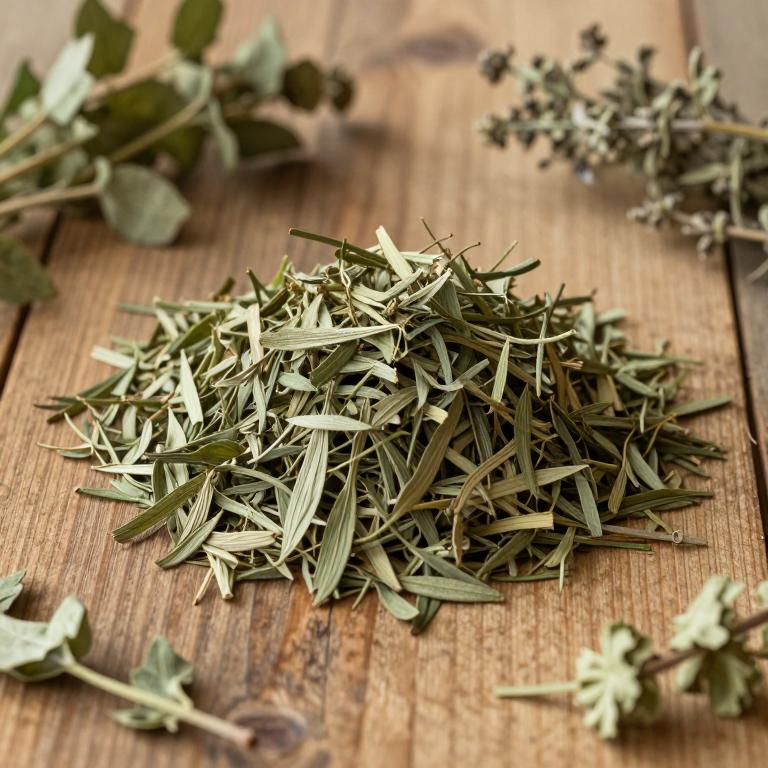
Names and Synonyms
Scientific Names
Accepted name
Urtica circularisSynonyms
- Urtica chamaedryoides var. circularis
- Urtica spatulata var. circularis
Sources: Wikidata
Taxonomical Classification
This plant belongs to the kingdom Plantae and is classified under the phylum Streptophyta within the class Equisetopsida. Following its lineage through the subclass Magnoliidae and order Rosales, it is placed in the family Urticaceae. Finally, its taxonomic identity is defined by the genus Urtica.
| Rank | Classification |
|---|---|
| Kingdom | Plantae |
| Phylum | Streptophyta |
| Class | Equisetopsida |
| Subclass | Magnoliidae |
| Order | Rosales |
| Family | Urticaceae |
| Genus | Urtica |
Sources: The World Checklist of Vascular Plants (WCVP)
Distribution
This plant exhibits a widespread presence across several regions of South America. In Western South America, its range includes the territory of Bolivia. Its distribution extends into Brazil, specifically within the southern portion of the country. Moving into Southern South America, it can be found throughout Paraguay. Additionally, the species inhabits the northeast and northwest regions of Argentina.
| Region | Area |
|---|---|
| Western South America | Bolivia |
| Brazil | Brazil South |
| Southern South America | Argentina Northeast |
| Southern South America | Argentina Northwest |
| Southern South America | Paraguay |
| Southern South America | Uruguay |
Sources: The World Checklist of Vascular Plants (WCVP)
Botanical Identification
Ecology
The ecology of Urtica circularis is characterized by its presence within specific environmental niches, primarily thriving in the Floresta Ombrófila Mista and within vegetation found on rocky outcrops (Vegetação Sobre Afloramentos Rochosos). This species exhibits a broad altitudinal distribution, occupying an elevational range that begins at sea level (0 m AMSL) and extends up to a maximum of 1000 m AMSL.
- Elevational range max:
- 1000 m AMSL
- Elevational range min:
- 0 m AMSL
- Habitat :
- Floresta Ombrófila Mista, Vegetação Sobre Afloramentos Rochosos
Life history
The life history of Urtica circularis is characterized by an annual lifecycle, meaning the plant completes its entire biological progression—from seed germination to flowering and seed production—within a single growing season. As an annual species, it relies on a rapid developmental strategy to exploit favorable environmental conditions before the onset of unfavorable seasonal changes. The cycle begins with the germination of seeds in moist, nutrient-rich soil, followed by a vegetative growth phase where the plant establishes its structural framework. Once sufficient biomass is achieved, the plant transitions into its reproductive stage, producing flowers that facilitate pollination. After successful fertilization, the plant allocates its remaining energy toward the maturation of seeds, ensuring the continuity of the next generation before the parent individual senesces at the end of the year.
- Lifecycle :
- annual
Morphology
The morphology of Urtica circularis is characterized by its growth form as a non-woody herb, exhibiting a soft, succulent structure typical of many herbaceous species. It functions as an independent organism, showing no parasitic tendencies, and maintains a self-supporting habit without the need for climbing mechanisms. While its ecological niche can span across aquatic, semiaquatic, and terrestrial environments, it primarily manifests as a terrestrial plant rather than an epiphyte. This combination of traits defines a plant that relies on its own structural integrity to remain upright within its various moisture-rich habitats.
- Aquatic :
- terrestrial
- Climber :
- self-supporting
- Epiphyte :
- terrestrial
- Growth form :
- herb
- Parasite :
- independent
- Woodiness :
- non-woody
Sources: Global Inventory of Floras and Traits (GIFT)
Plant Parts
Urtica circularis has 2 reported plant parts identified across 2 scientific publications and several other databases that are studied for medicinal purposes. The most consistently reported plant part include leaf, stem.
| Plant part | Supporting sources | Consensus |
|---|---|---|
| Leaf | 1 supporting sources | ★☆☆☆☆ |
| Stem | 1 supporting sources | ★☆☆☆☆ |
Leaf
- Pharmaceutical biology
Stem
- Pharmaceutical biology
Chemicals
Urtica circularis has 9 reported phytochemicals identified across 2 scientific publications and several other databases. The most consistently reported chemicals include CHLOROGENIC ACID, Vitexin, caffeic acid, Isovitexin, Vanillic acid.
| Chemical | Supporting sources | Consensus |
|---|---|---|
| CHLOROGENIC ACID | 2 supporting sources | ★☆☆☆☆ |
| Vitexin | 2 supporting sources | ★☆☆☆☆ |
| caffeic acid | 2 supporting sources | ★☆☆☆☆ |
| Isovitexin | 1 supporting sources | ★☆☆☆☆ |
| Vanillic acid | 1 supporting sources | ★☆☆☆☆ |
| Vicenin 2 | 1 supporting sources | ★☆☆☆☆ |
| apigenin | 1 supporting sources | ★☆☆☆☆ |
| ferulic acid | 1 supporting sources | ★☆☆☆☆ |
| p-Cumaric acid | 1 supporting sources | ★☆☆☆☆ |
CHLOROGENIC ACID
- Pharmaceutical biology
- Journal of ethnopharmacology
Vitexin
- Pharmaceutical biology
- Journal of ethnopharmacology
caffeic acid
- Pharmaceutical biology
- Journal of ethnopharmacology
Isovitexin
- Pharmaceutical biology
Vanillic acid
- Pharmaceutical biology
Vicenin 2
- Pharmaceutical biology
apigenin
- Journal of ethnopharmacology
ferulic acid
- Pharmaceutical biology
p-Cumaric acid
- Pharmaceutical biology
Preparations
Urtica circularis has 2 reported preparations identified across 2 scientific publications and several other databases. The most consistently reported preparations include ethanolic extract, extract.
| Preparation | Supporting sources | Consensus |
|---|---|---|
| Ethanolic extract | 1 supporting sources | ★☆☆☆☆ |
| Extract | 1 supporting sources | ★☆☆☆☆ |
Ethanolic extract
- Journal of ethnopharmacology
Extract
- Pharmaceutical biology