Urospermum picroides
Urospermum picroides · Accepted scientific name
Scientific literature: Very Sparse (0 studies) · ★☆☆☆☆
Urospermum picroides, commonly known as tearwort, is a perennial herbaceous plant belonging to the Asteraceae family. This species is characterized by its distinctive milky sap and small, yellowish flower heads that typically bloom in early spring. In various traditional practices, the plant has been studied for its complex chemical profile, which includes several bioactive compounds. One common way to utilize its properties is through the creation of a concentrated extract. Such preparations are often explored in botanical research to better understand the plant's potential therapeutic applications.
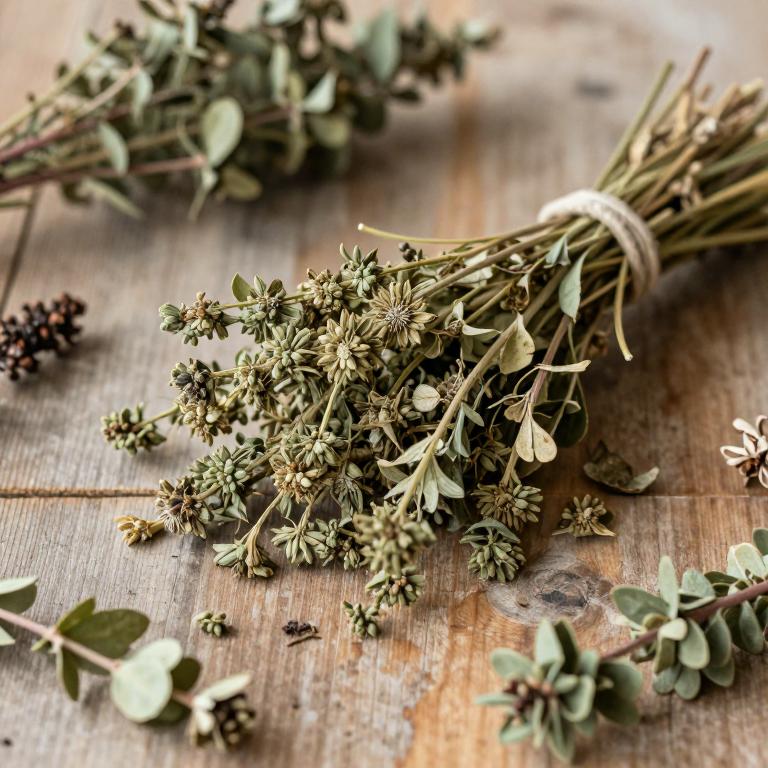
- Synonyms
- Arnopogon Asper · Arnopogon Capensis · 11 more
- Common names
- Not available
- Family
- Asteraceae
- Distribution
- Southern America
- Plant Parts
- Not available
Classification
Common Names
Urospermum picroides is a botanical species known by a diverse array of regional monikers. In some areas, it is referred to by the common names Acı Yemlik or Amargall. Its striking appearance also earns it the Spanish titles Barba De Viejo and Barbas de viejo. Furthermore, the plant is recognized in German-speaking regions as Bitterkraut-Schwefelkörbchen. These varied names highlight the global presence and cultural recognition of this unique plant.
Sources: Catalogue of Life (COL)
Synonyms
Urospermum picroides is a botanical subject characterized by a complex web of taxonomic synonyms. Within scientific literature, this plant is frequently identified under the name Arnopogon picroides. It is also recognized through various other designations, including Arnopogon asper and Arnopogon capensis. Furthermore, the species has been historically classified as Daumailia spinulosa in certain botanical records. Finally, researchers may encounter this same plant referred to as Tragopogon aculeatus, illustrating the diverse nomenclature used to describe it.
Sources: The World Checklist of Vascular Plants (WCVP)
Taxonomy
Urospermum picroides is a distinctive member of the kingdom Plantae. This species belongs to the class Equisetopsida and is categorized under the order Asterales. Within this taxonomic hierarchy, it is specifically classified under the genus Urospermum. Furthermore, the plant is a proud representative of the diverse Asteraceae family. Through these biological relationships, its place in the natural world is clearly defined.
| Rank | Classification |
|---|---|
| Kingdom | Plantae |
| Phylum | Streptophyta |
| Class | Equisetopsida |
| Subclass | Magnoliidae |
| Order | Asterales |
| Family | Asteraceae |
| Genus | Urospermum |
Sources: The World Checklist of Vascular Plants (WCVP)
Distribution
Geographic Regions
Urospermum picroides is a resilient plant species with a broad geographic reach across the African continent. Its presence is particularly notable within the Macaronesia region, where it thrives in various island environments. Specifically, the species can be found inhabiting the Azores, the Canary Islands, Cape Verde, and Madeira. Beyond these Atlantic archipelagos, its distribution extends into Northeast Tropical Africa, including the Sudan-South Sudan region. This wide-ranging habitat demonstrates the plant's ability to adapt to diverse ecological zones across Africa and its surrounding islands.
Sources: The World Checklist of Vascular Plants (WCVP)
Identification
Morphology
Urospermum picroides is a self-supporting herb that thrives in its natural habitat. This plant exhibits a versatile growth habit, allowing it to adapt to various environmental conditions. Depending on its surroundings, the height of the specimen typically ranges from a minimum of 0.1 m. Under optimal conditions, it can reach a maximum height of 1.2 m.
Sources: Global Inventory of Floras and Traits (GIFT)
Biological Activities
Compounds
Conditions
Preparations
Urospermum picroides is prepared as an extract to identify its bioactive natural products and constituents. Researchers utilized an extract derived from a healthy sample of this host plant to compare its chemical makeup with fungal metabolites. This specific plant extract contained identified compounds such as 6 and 8. The process of preparing the extract allowed for the verification of substances produced by the endophyte under in situ conditions. Consequently, the extract serves as a vital tool for studying the chemical relationship between the plant and its associated fungus.