Uncaria
Uncaria · Accepted scientific name
Scientific literature: Very Sparse (5 studies) · ★☆☆☆☆
Uncaria is a versatile genus of plants known for its significant therapeutic potential in traditional and modern medicine. Utilizing parts such as the leaf and stem, various preparations including herbal extracts, essential oils, and capsule extracts are developed for health benefits. The plant is rich in bioactive chemicals like flavonoids, triterpenes, (E)-cinnamaldehyde, and (E)-linalool oxide. These compounds provide powerful antioxidant, antibacterial, antiviral, and hypotensive activities. Consequently, Uncaria shows promise in managing diverse conditions such as Alzheimer's disease, asthma, cancer, and hypertension.
- Synonyms
- Agylophora · Ourouparia · 2 more
- Common names
- Not available
- Family
- Rubiaceae
- Distribution
- Not available
- Plant Parts
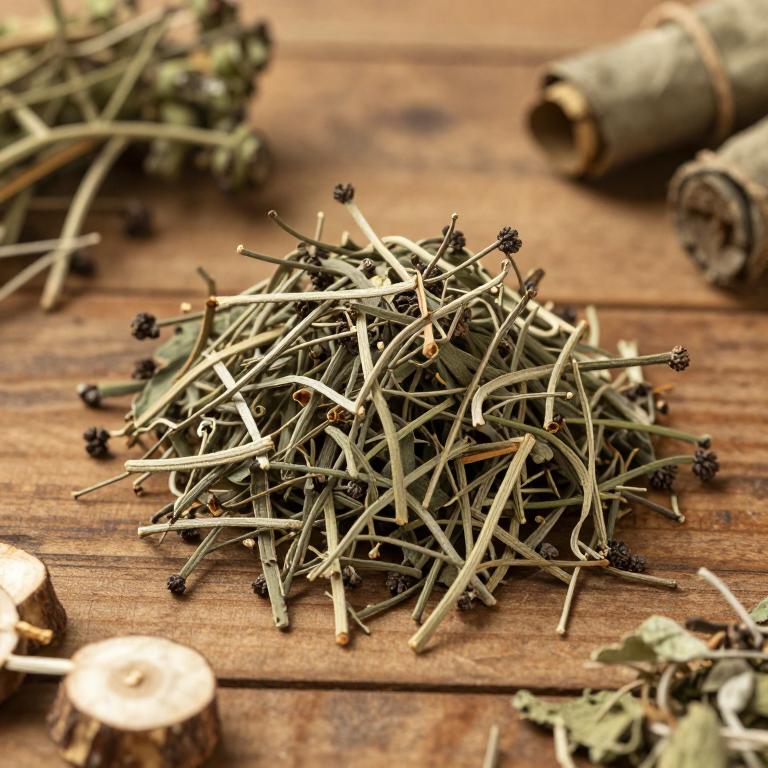
- Leaf · Stem
Classification
Common Names
Uncaria is a fascinating genus of plants known by a diverse array of regional and traditional names. Depending on the local culture and language, it is frequently referred to as Gambir or its various phonetic iterations like Unkárie and unkária. In many parts of the world, it is most famously recognized by the common name Uña de Gato. Some specific regional variations even use terms such as kynsiliaanit to identify its unique botanical properties. Understanding these many names is essential for anyone studying the complex relationships within this plant family.
Sources: Catalogue of Life (COL)
Synonyms
Uncaria is a complex genus that has historically been subject to various taxonomic reclassifications. Throughout botanical history, several different names have been applied to its members, including the synonym Agylophora. Researchers have also encountered the genus under the labels Ourouparia and Restiaria in older literature. Furthermore, the name Uruparia has appeared in scientific records as an alternative designation for these plants. Understanding these diverse synonyms is essential for ensuring accuracy in botanical studies and medicinal research.
Sources: The World Checklist of Vascular Plants (WCVP)
Taxonomy
Uncaria is a fascinating member of the kingdom Plantae that showcases the intricate complexity of botanical classification. Belonging to the class Equisetopsida, this plant is firmly rooted within the diverse order Gentianales. It further distinguishes itself as a significant representative of the Rubiaceae family. Within this botanical framework, it is categorized under the specific genus Uncaria. Understanding these hierarchical relationships provides essential insight into the evolutionary history of the species.
| Rank | Classification |
|---|---|
| Kingdom | Plantae |
| Phylum | Streptophyta |
| Class | Equisetopsida |
| Subclass | Magnoliidae |
| Order | Gentianales |
| Family | Rubiaceae |
| Genus | Uncaria |
Sources: The World Checklist of Vascular Plants (WCVP)
Distribution
Geographic Regions
Uncaria is a genus with a widespread presence across the diverse landscapes of the African continent. It can be found thriving throughout East Tropical Africa, specifically within the borders of Kenya, Tanzania, and Uganda. The plant's reach also extends into Northeast Tropical Africa, where it is established in the regions of Ethiopia. Furthermore, its distribution encompasses the territories of Sudan and South Sudan. This broad geographical range highlights the plant's ability to adapt to various tropical environments across the region.
Sources: The World Checklist of Vascular Plants (WCVP)
Identification
Biological Activities
Uncaria represents a significant genus of medicinal plants known for its diverse array of bioactive natural products. Research indicates that this genus possesses potent antioxidant properties, which may contribute to its overall beneficial health effects. Beyond fighting oxidative stress, studies have identified significant antibacterial and antiviral activities within its various species. Furthermore, the plant exhibits hypotensive characteristics that are particularly relevant to vascular-related health conditions. These diverse pharmacological profiles highlight the growing potential of Uncaria as a source for developing new therapeutic leads.
Compounds
Uncaria is a diverse genus of medicinal plants that serves as a rich source of various bioactive chemical constituents. Phytochemical analyses have revealed that these plants contain important compounds such as flavonoids and triterpenes. Furthermore, the genus is known to harbor coumarins, which contribute to its complex chemical profile. Specific studies on the essential oils of the Uncaria hook have also identified the presence of curcumene. Additionally, the sweet aroma of certain species is linked to the presence of furfural.
Conditions
Uncaria serves as a significant plant source for treating Alzheimer's disease and Parkinson's disease through its active indole alkaloids. Research indicates that Uncaria hook, a key constituent, effectively prevents the accumulation of cerebral Aβ in the brain. By inhibiting the aggregation of amyloid β proteins, the plant demonstrates potent anti-Alzheimer's disease properties. These pharmacological effects contribute to its potential as a therapeutic agent for managing various neurodegenerative conditions. Consequently, the genus is recognized for its ability to address the pathological hallmarks associated with Alzheimer's disease.
Preparations
Uncaria is prepared as Uncaria Hook, which serves as a significant medicinal material used in various applications. The plant is also prepared as capsule extract, a form containing major bioactive alkaloids like rhynchophylline and isorhynchophylline. Furthermore, Uncaria is prepared as essential oil, which contains specific aroma-active compounds such as (E)-cinnamaldehyde and α-copaene. The plant is also prepared as herbal extracts, specifically utilized as a key constituent in traditional medicines like Yokukansan. These diverse preparations allow for the study and application of its unique phytochemical properties in medicinal fields.
Parts used
Uncaria is a prominent genus within the Rubiaceae family that is highly valued for its diverse medicinal properties. Scientific investigations highlight that various parts of the plant, such as the leaves, have long been recognized for their potential healing powers. Furthermore, the stems of these plants serve as significant sources of bioactive metabolites, particularly monoterpenoid indole alkaloids. Research utilizing sterile plant culture systems has shown that the metabolomic profiles of cultured stems closely resemble those found in mature specimens. By studying these specific plant parts, researchers can better understand the biosynthetic pathways necessary to ensure the quality of Uncaria in therapeutic applications.