Uncaria attenuata
Uncaria attenuata · Accepted scientific name
Scientific literature: Very Sparse (0 studies) · ★☆☆☆☆
Uncaria attenuata is a botanical species recognized for its significant pharmacological potential, particularly through its concentration of the chemical Villocarine A. Researchers frequently investigate this plant's efficacy in managing complex conditions such as pain and drug addiction, often exploring its relationship to Kratom studies. To harness these therapeutic properties, scientists utilize various preparations including methanol extracts, total alkaloid extracts, and specialized alkaloid-enriched extracts. These diverse processing methods allow for the targeted study of the plant's bioactive components. Consequently, understanding the chemical profile of Uncaria attenuata remains vital for advancing modern medicinal research.
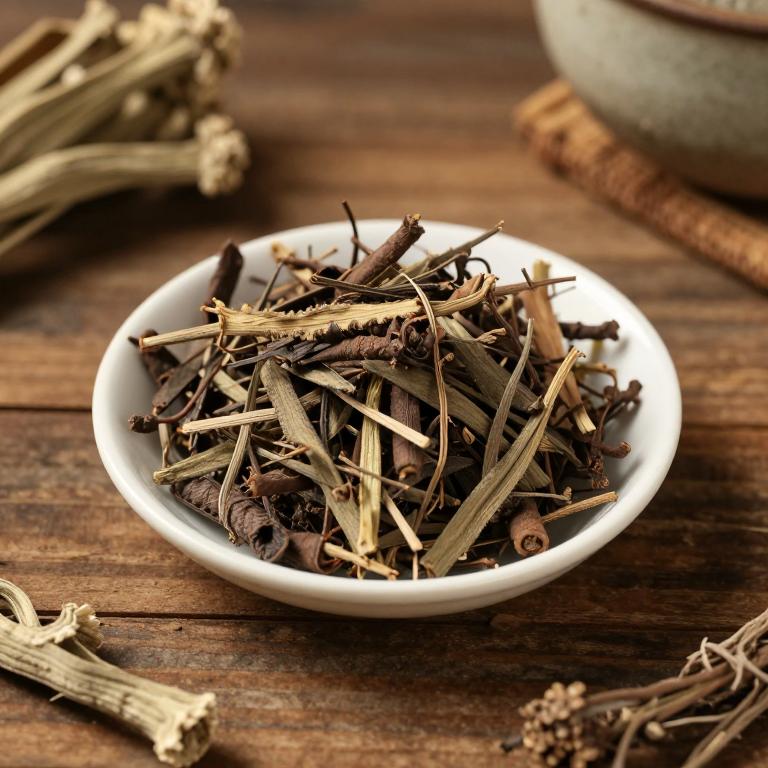
- Synonyms
- Nauclea Attenuata · Uncaria Athemiata · 2 more
- Common names
- Not available
- Family
- Rubiaceae
- Distribution
- Not available
- Plant Parts
- Not available
Classification
Synonyms
Uncaria attenuata is a botanical species that is frequently identified by several different scientific names within various taxonomic records. In many academic contexts, it is recognized by the synonym Nauclea attenuata. Researchers may also encounter this plant listed under the name Uncaria athemiata depending on the specific literature being consulted. Furthermore, the species is sometimes referred to as Uncaria bulusanensis in certain regional studies. It is even documented under the alternative classification of Uruparia attenuata, highlighting the complexity of its botanical nomenclature.
Sources: The World Checklist of Vascular Plants (WCVP)
Taxonomy
Uncaria attenuata belongs to the diverse kingdom Plantae, representing a fascinating branch of the natural world. Within this kingdom, the plant is classified under the class Equisetopsida, showcasing its fundamental biological structure. It is further categorized into the order Gentianales, which helps botanists understand its evolutionary lineage. As a member of the Rubiaceae family, it shares characteristics with many other significant flowering plants. Ultimately, this species is identified by its specific genus, Uncaria, placing it within a unique group of related flora.
| Rank | Classification |
|---|---|
| Kingdom | Plantae |
| Phylum | Streptophyta |
| Class | Equisetopsida |
| Subclass | Magnoliidae |
| Order | Gentianales |
| Family | Rubiaceae |
| Genus | Uncaria |
Sources: The World Checklist of Vascular Plants (WCVP)
Distribution
Geographic Regions
Uncaria attenuata is widely distributed across the tropical regions of Asia, showing a significant presence throughout Indo-China. Its range extends specifically through the diverse landscapes of Myanmar, Thailand, and the Andaman Islands. Moving further into the Malesia region, the plant can be found thriving in the lush environments of Borneo. Additionally, its natural habitat includes the island of Jawa, highlighting its broad ecological footprint. This wide distribution underscores the plant's ability to adapt to various tropical climates across Southeast Asia.
Sources: The World Checklist of Vascular Plants (WCVP)
Identification
Morphology
Uncaria attenuata exhibits an obligatory climbing habit, meaning it relies entirely on surrounding structures for support to reach the sunlight necessary for its growth.
Sources: Global Inventory of Floras and Traits (GIFT)
Biological Activities
Compounds
Uncaria attenuata is a plant species known for its traditional use in treating various central nervous system disorders. A key component within this plant is villocarine A, which serves as its main corynanthean alkaloid. Research indicates that both the plant extracts and this specific alkaloid exert significant antinociceptive effects by activating central μ-opioid receptors. In comparative studies, villocarine A demonstrated pain-relieving capabilities that were comparable to morphine and superior to mitragynine. These findings suggest that the presence of villocarine A makes Uncaria attenuata a promising natural alternative for pain management and a potential substitute for kratom.
Conditions
Uncaria attenuata is traditionally utilized to treat various central nervous system (CNS) disorders, including drug addiction. The plant also serves as an effective treatment for pain through its antinociceptive properties. Research specifically demonstrates that its extracts can significantly reduce pain sensation in animal models. Furthermore, the plant is recognized in Southeast Asia as a viable substitute for kratom. These medicinal capabilities are largely driven by its ability to interact with central μ-opioid receptors.
Preparations
Uncaria attenuata is prepared as a methanol extract to investigate its opioid analgesic activity. This plant is also processed as a total alkaloid extract for evaluating antinociceptive effects in animal models. Furthermore, Uncaria attenuata is prepared as an alkaloid-enriched extract to study its specific medicinal properties. These various preparations, including the methanol and alkaloid extracts, demonstrate significant potential for pain relief. Each specific extraction method serves to isolate the bioactive components necessary for testing their interaction with opioid receptors.