Trillium
Trillium · Accepted scientific name
Scientific literature: Very Sparse (2 studies) · ★☆☆☆☆
Trillium is a fascinating genus of flowering plants known for its distinctive three-part symmetry. Beyond its aesthetic appeal, this plant possesses significant biological properties, including antifungal and cytotoxic activities. These therapeutic potential are largely driven by its unique chemical composition, which is rich in bioactive compounds. Specifically, the presence of saponins and steroids plays a crucial role in its medicinal characteristics. Understanding these complex chemical profiles offers valuable insights into the plant's diverse pharmacological functions.
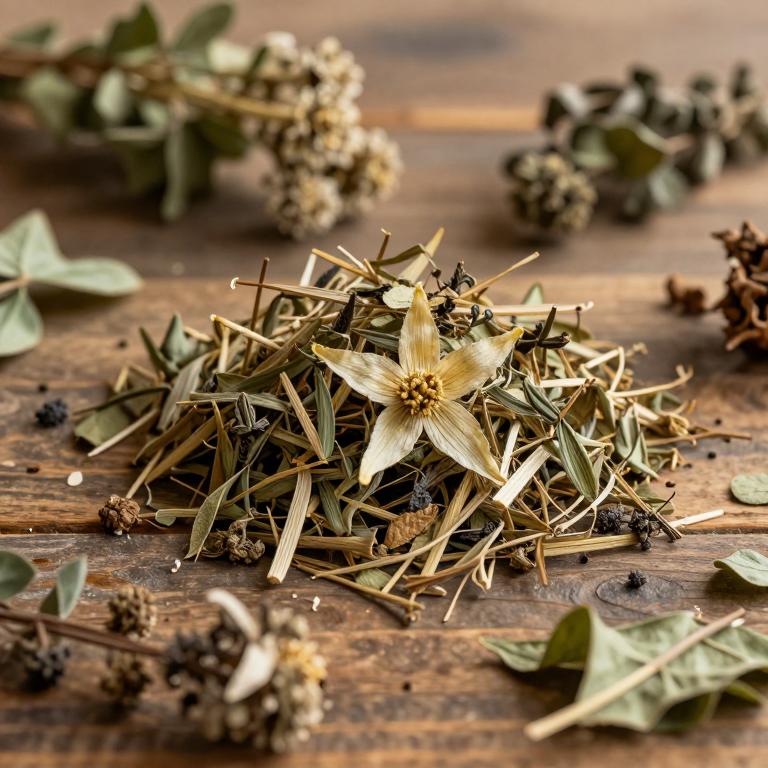
- Synonyms
- Huxhamia · Phyllantherum · 3 more
- Common names
- Not available
- Family
- Melanthiaceae
- Distribution
- Not available
- Plant Parts
- Not available
Classification
Common Names
Trillium is a botanical marvel known by a diverse array of names across different cultures and languages. In certain indigenous traditions, it is referred to by the common name Ininiiwindibiigeganan (Baushkindjibgwaunan). European linguistic influences also shape its identity, with names such as the Danish Trebladslægten and the Latinate Trilio. In German-speaking regions, the plant is often called Waldlilien, highlighting its graceful presence on the forest floor. Finally, many people affectionately refer to these striking blooms as birthroots.
Sources: Catalogue of Life (COL)
Synonyms
Trillium is a complex genus that has historically been categorized under several different botanical names. Throughout various taxonomic studies, it has been identified by synonyms such as Delostylis and Esdra. Researchers have also utilized the names Huxhamia and Phyllantherum when describing different variations within the group. Furthermore, the synonym Trillidium has played a role in the evolving classification of these forest floor beauties. Understanding these shifting names is essential for anyone studying the intricate botanical relationships of this plant family.
Sources: The World Checklist of Vascular Plants (WCVP)
Taxonomy
Trillium is a fascinating botanical subject that belongs to the vast kingdom Plantae. Within this diverse group, the plant is classified under the class Equisetopsida and the order Liliales. Its taxonomic journey continues through the specific family Melanthiaceae, which defines many of its unique biological traits. Ultimately, the plant is defined by its own namesake genus, Trillium. Understanding this hierarchical structure provides essential insight into the evolutionary history of this beautiful wildflower.
| Rank | Classification |
|---|---|
| Kingdom | Plantae |
| Phylum | Streptophyta |
| Class | Equisetopsida |
| Subclass | Magnoliidae |
| Order | Liliales |
| Family | Melanthiaceae |
| Genus | Trillium |
Sources: The World Checklist of Vascular Plants (WCVP)
Distribution
Geographic Regions
Trillium displays a widespread presence across various regions of the Asia-Temperate zone. Its distribution is particularly concentrated within China, spanning from the North-Central provinces to the South-Central areas. The plant also thrives throughout the Southeast regions of China and across the vast landscapes of Manchuria. Furthermore, its reach extends into the high-altitude terrains of Tibet. This diverse range illustrates the plant's ability to adapt to a variety of distinct environmental conditions within the continent.
Sources: The World Checklist of Vascular Plants (WCVP)
Identification
Biological Activities
Trillium species, which are perennial herbs primarily found in Asia and North America, contain a wealth of bioactive phytochemicals. Research indicates that the steroids and saponins found within these plants possess significant biological properties. Specifically, studies have demonstrated that extracts from this genus exhibit notable antifungal activity. Furthermore, the various compounds isolated from these plants have also shown potent cytotoxic effects. These findings highlight the medicinal potential of the genus in both in vitro and in vivo contexts.
Compounds
Trillium species are perennial herbs characterized by their unique rhizomes and widespread distribution across Asia and North America. These plants are notable for their rich chemical profiles, specifically regarding their bioactive constituents. Research indicates that steroids and saponins serve as the primary classes of phytochemicals found within the genus. Scientific studies have extensively examined these compounds through both in vitro and in vivo methodologies. By analyzing these isolated substances, researchers continue to uncover vital cytotoxic, antifungal, and anti-inflammatory properties.