Trilisa odoratissima
Trilisa odoratissima · Accepted scientific name
Scientific literature: Sparse (90 studies) · ★★☆☆☆
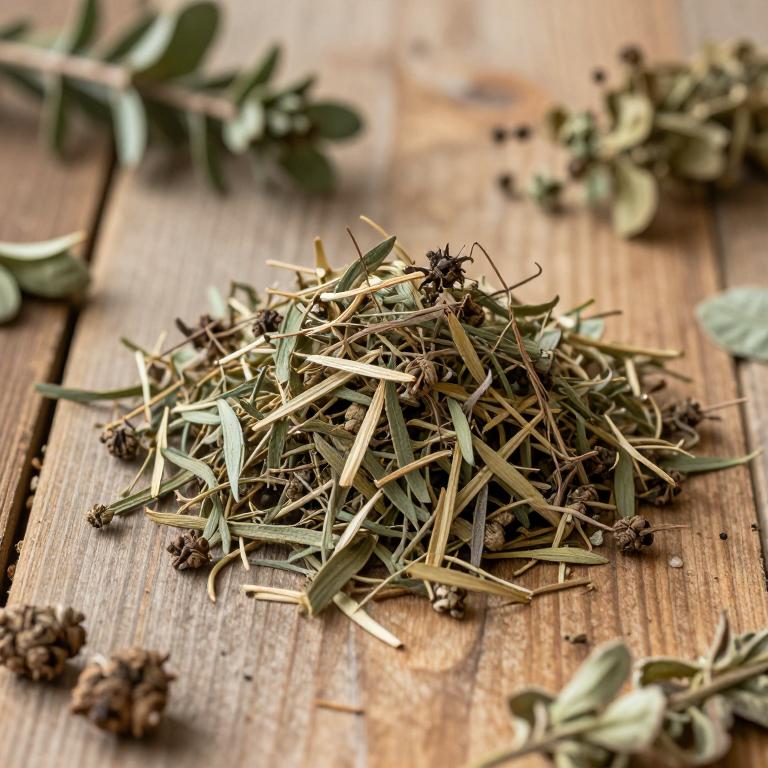
, scientifically known as Trilisa odoratissima, is a remarkable medicinal plant valued for its potent aromatic properties and therapeutic potential. Renowned for its unique chemical profile, this species is frequently studied for its bioactive compounds, offering promising applications in traditional healing practices and modern pharmacological research to support holistic wellness.
- Family
- Not available
- Native range
- Northern America
- Parts used
- Not available
- Common names
- Not available
- Scientific synonyms
- Not available
Names and Synonyms
Scientific Names
Accepted name
Trilisa odoratissimaDistribution
This plant, Trilisa odoratissima, is primarily distributed throughout the Southeastern United States. Its natural range includes the state of Alabama, where it can be found in specific habitats. It also thrives across the landscape of Georgia and the coastal regions of Florida. Furthermore, the species extends its reach into the southern territories of Mississippi. Finally, its geographical presence is confirmed within the borders of Louisiana.
| Region | Area |
|---|---|
| Southeastern U.S.A. | Alabama |
| Southeastern U.S.A. | Florida |
| Southeastern U.S.A. | Georgia |
| Southeastern U.S.A. | Louisiana |
| Southeastern U.S.A. | Mississippi |
| Southeastern U.S.A. | North Carolina |
| Southeastern U.S.A. | South Carolina |
Sources: The World Checklist of Vascular Plants (WCVP)
Chemicals
Trilisa odoratissima has 11 reported phytochemicals identified across 0 scientific publications and several other databases. The most consistently reported chemicals include 11-oxo-alpha-amyrin, 11-oxo-beta-amyrin, 2,3-Benzofuran, LUPENONE, Lupeol.
| Chemical | Supporting sources | Consensus |
|---|---|---|
| 11-oxo-alpha-amyrin | 1 supporting sources | ★☆☆☆☆ |
| 11-oxo-beta-amyrin | 1 supporting sources | ★☆☆☆☆ |
| 2,3-Benzofuran | 1 supporting sources | ★☆☆☆☆ |
| LUPENONE | 1 supporting sources | ★☆☆☆☆ |
| Lupeol | 1 supporting sources | ★☆☆☆☆ |
| Terpenes | 1 supporting sources | ★☆☆☆☆ |
| beta-Amyrin | 1 supporting sources | ★☆☆☆☆ |
| cis-o-Hydroxycinnamic acid | 1 supporting sources | ★☆☆☆☆ |
| coumarin | 1 supporting sources | ★☆☆☆☆ |
| dihydrocoumarin | 1 supporting sources | ★☆☆☆☆ |
11-oxo-alpha-amyrin
- Dr. Duke
11-oxo-beta-amyrin
- Dr. Duke
2,3-Benzofuran
- Dr. Duke
LUPENONE
- Dr. Duke
Lupeol
- Dr. Duke
Terpenes
- Dr. Duke
beta-Amyrin
- Dr. Duke
cis-o-Hydroxycinnamic acid
- Dr. Duke
coumarin
- Dr. Duke
dihydrocoumarin
- Dr. Duke
Activities
Trilisa odoratissima has 79 reported activities identified across 0 scientific publications and several other databases. The most consistently reported activities include Aldose-Reductase-Inhibitor, Allelochemic, Analgesic, Anesthetic, AntiEBV.
| Activity | Supporting sources | Consensus |
|---|---|---|
| Aldose-Reductase-Inhibitor | 1 supporting sources | ★☆☆☆☆ |
| Allelochemic | 1 supporting sources | ★☆☆☆☆ |
| Analgesic | 1 supporting sources | ★☆☆☆☆ |
| Anesthetic | 1 supporting sources | ★☆☆☆☆ |
| AntiEBV | 1 supporting sources | ★☆☆☆☆ |
| Antiaggregant | 1 supporting sources | ★☆☆☆☆ |
| Antiandrogenic | 1 supporting sources | ★☆☆☆☆ |
| Antiangiogenic | 1 supporting sources | ★☆☆☆☆ |
| Antibrucellosic | 1 supporting sources | ★☆☆☆☆ |
| Anticancer (Kidney) | 1 supporting sources | ★☆☆☆☆ |
Aldose-Reductase-Inhibitor
- Dr. Duke
Allelochemic
- Dr. Duke
Analgesic
- Dr. Duke
Anesthetic
- Dr. Duke
AntiEBV
- Dr. Duke
Antiaggregant
- Dr. Duke
Antiandrogenic
- Dr. Duke
Antiangiogenic
- Dr. Duke
Antibrucellosic
- Dr. Duke
Anticancer (Kidney)
- Dr. Duke