Trigonella
Trigonella · Accepted scientific name
Scientific literature: Very Sparse (3 studies) · ★☆☆☆☆
Trigonella is a versatile genus of plants known for containing bioactive compounds within its seeds, leaves, and roots. These various plant parts can be utilized in diverse preparations ranging from acetone extracts and hairy root cultures to culinary additions like cheese and pastries. Scientific research highlights the significant therapeutic potential of the plant, specifically through its antibacterial, antidiabetic, and antiviral activities. Furthermore, studies investigate how these plants respond to environmental pressures such as osmotic stress. Understanding these multifaceted properties makes Trigonella a subject of great interest in both pharmacology and food science.
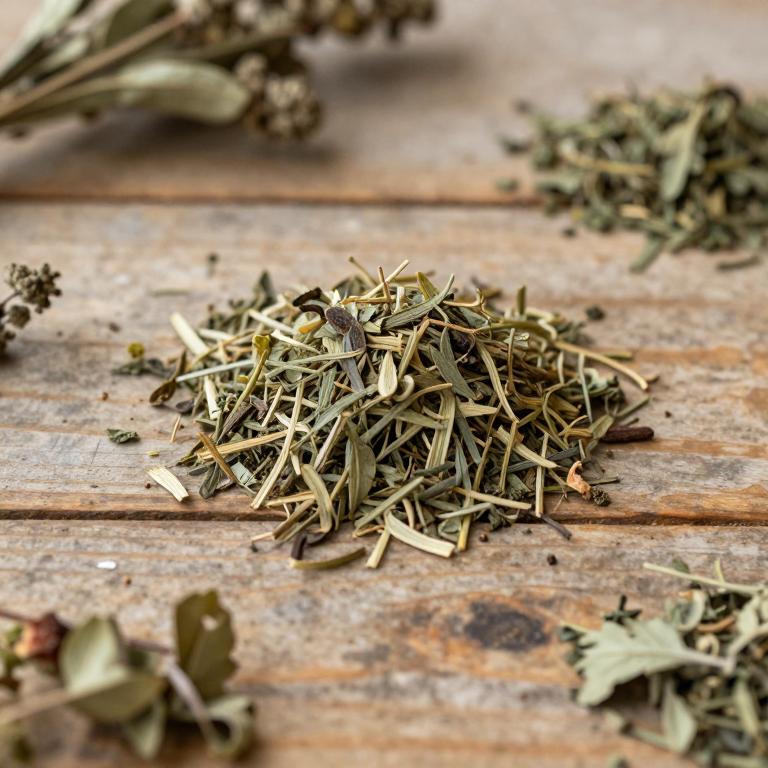
- Synonyms
- Folliculigera · Trifoliastrum · 14 more
- Common names
- Not available
- Family
- Fabaceae
- Distribution
- Not available
- Plant Parts
- Seed · Leaf
Classification
Common Names
Trigonella is a versatile plant known by a wide array of regional and linguistic names. In English-speaking contexts, it is most frequently referred to as Fenugreek or sometimes Bockshornklee. This botanical variety also carries the name Bukkehorn, reflecting its diverse cultural roots. Moving into Romance languages, it is identified as Fenogreco y parientes in Spanish and Fenugrecs et trigonelles in French. These various monikers all point to the same unique species used globally for culinary and medicinal purposes.
Sources: Catalogue of Life (COL)
Synonyms
Trigonella is a versatile genus that is known by several different scientific synonyms throughout botanical history. Researchers frequently encounter the name Aporanthus when studying its various classifications. The plant is also documented under the synonym Botryolotus in specific academic contexts. Furthermore, it has been referred to as Buceras and Fenugraecum in older texts. Finally, the common botanical synonym Foenum-graecum remains a widely recognized identifier for this important species.
Sources: The World Checklist of Vascular Plants (WCVP)
Taxonomy
Trigonella is a fascinating botanical subject that belongs to the vast kingdom Plantae. Within this diverse realm, it is classified under the class Equisetopsida. The plant follows a specific taxonomic path, falling under the order Fabales. It further identifies with the family Fabaceae, a group known for its significant biological importance. Finally, it is categorized under its own unique genus, Trigonella.
| Rank | Classification |
|---|---|
| Kingdom | Plantae |
| Phylum | Streptophyta |
| Class | Equisetopsida |
| Subclass | Magnoliidae |
| Order | Fabales |
| Family | Fabaceae |
| Genus | Trigonella |
Sources: The World Checklist of Vascular Plants (WCVP)
Distribution
Geographic Regions
Trigonella exhibits a broad and diverse distribution across the African continent. Its presence is noted throughout East Tropical Africa, spanning regions such as Kenya and Tanzania. The genus also extends into Northeast Tropical Africa, with recorded occurrences in Ethiopia and Djibouti. Beyond the mainland, these plants can be found in the Macaronesia region, specifically within the Canary Islands. This wide geographic range highlights the adaptability of the species across various African landscapes.
Sources: The World Checklist of Vascular Plants (WCVP)
Identification
Biological Activities
Trigonella has a long history of folkloric medicinal use across various countries, including China, Japan, Egypt, and India. Research indicates that the genus possesses a diverse range of therapeutic actions, such as antibacterial and antiviral activities. Furthermore, species like Trigonella stellata and T. spruneriana demonstrate significant antidiabetic potential by helping to lower blood glucose levels and manage oxidative stress. These plants serve as rich sources of bioactive compounds that can mitigate the adverse effects of diabetes on liver and kidney functions. Consequently, the genus remains a vital subject of study for developing natural alternatives in modern medicine.
Compounds
Conditions
Trigonella demonstrates a unique physiological response to osmotic stress by regulating polyamine metabolism differently than cereal plants. Specifically, this dicot genus maintains a lower putrescine to polyamine ratio during osmotic challenges, which supports the successful regeneration of mesophyll protoplasts. Beyond its role in managing osmotic pressure, Trigonella belongs to the broad category of medicinal plants recognized for possessing significant antioxidant potential. By acting as a natural antioxidant, it helps to decrease oxidative stress within cells. These combined properties allow the plant to mitigate damage caused by both osmotic and oxidative stressors.
Preparations
Trigonella is prepared as an acetone extract to study its hypoglycemic effects and medicinal properties. The plant is also prepared as hairy roots, which serve as a suitable method for producing valuable steroidal sapogenin compounds. In various culinary applications across different countries, Trigonella is prepared as cheese and pastries. Furthermore, it is frequently prepared as sausages to act as a natural food additive. These diverse preparation methods highlight the plant's significant utility in both pharmaceutical research and food production.
Parts used
Trigonella is a versatile medicinal plant that yields significant therapeutic benefits from various anatomical components. Research highlights that the seeds of the plant are rich in bioactive metabolites, such as saponins and flavonoids, which offer anti-inflammatory and antidiabetic properties. Additionally, the leaves of Trigonella exhibit potent hypoglycaemic effects, particularly when administered as aqueous or alcoholic extracts. Beyond these parts, the plant's roots, including induced hairy roots, serve as vital sources for synthesizing valuable steroidal sapogenins. Together, these diverse parts demonstrate the profound medicinal importance of the entire Trigonella organism.