Trigonella filipes
Trigonella filipes · Accepted scientific name
Scientific literature: Very Sparse (1 studies) · ★☆☆☆☆
Trigonella filipes, scientifically known as Trigonella filipes, is a specialized medicinal herb belonging to the Fabaceae family. Native to specific tropical regions, this plant is valued for its unique phytochemical profile. Researchers study its bioactive compounds for potential therapeutic applications, particularly in traditional healing practices and modern pharmacology.
- Family
- Fabaceae
- Native range
- Asia-Temperate
- Parts used
- Not available
- Common names
- Not available
- Scientific synonyms
- Trigonella Filipes F. Gracilior · Trigonella Minima · 1 more
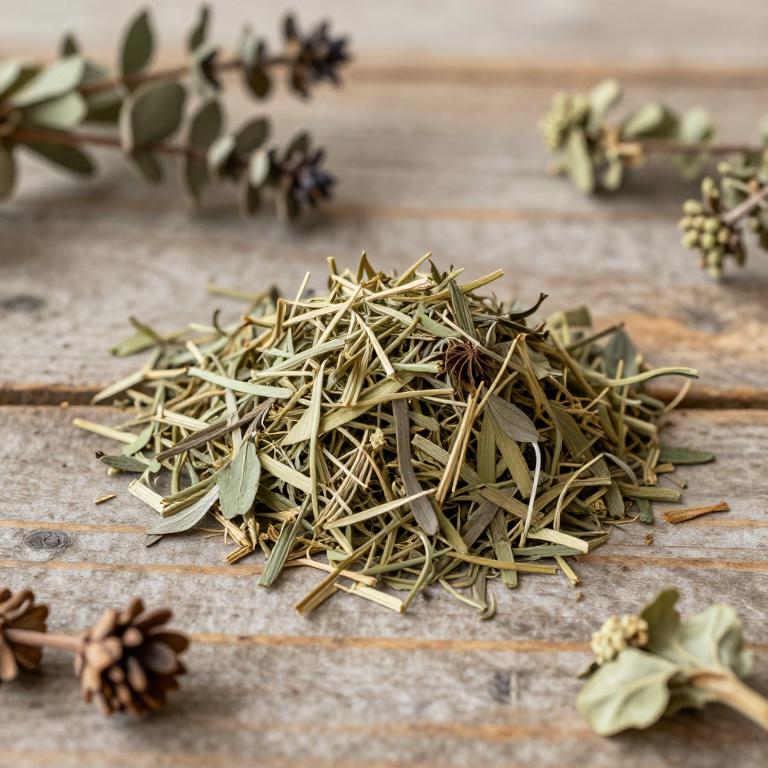
Names and Synonyms
Scientific Names
Accepted name
Trigonella filipesSynonyms
- Trigonella filipes f. gracilior
- Trigonella minima
- Telis filipes
Sources: Wikidata, Catalogue of Life
Taxonomical Classification
This plant belongs to the kingdom Plantae and is classified under the phylum Streptophyta and class Equisetopsida. Within the subclass Magnoliidae, it is categorized under the order Fabales and the family Fabaceae. Finally, it is identified by the genus Trigonella, which distinguishes it as the species Trigonella filipes.
| Rank | Classification |
|---|---|
| Kingdom | Plantae |
| Phylum | Streptophyta |
| Class | Equisetopsida |
| Subclass | Magnoliidae |
| Order | Fabales |
| Family | Fabaceae |
| Genus | Trigonella |
Sources: The World Checklist of Vascular Plants (WCVP)
Distribution
This plant is primarily distributed across the diverse landscapes of Western Asia. Its natural habitat includes the mountainous and arid regions of Iran. It can also be found growing throughout various parts of Iraq. Furthermore, the species spans the Levant, specifically within Lebanon, Syria, and Palestine. Finally, its geographical range extends northward into the territory of Türkiye.
| Region | Area |
|---|---|
| Western Asia | Iran |
| Western Asia | Iraq |
| Western Asia | Lebanon-Syria |
| Western Asia | Palestine |
| Western Asia | Türkiye |
Sources: The World Checklist of Vascular Plants (WCVP)
Botanical Identification
Life history
The life history of Trigonella filipes is characterized by an annual lifecycle, meaning the plant completes its entire biological progression from germination to seed production within a single growing season. As an annual species, it rapidly establishes itself following favorable environmental conditions, dedicating its limited temporal resources to vegetative growth, flowering, and subsequent seed maturation. Once the reproductive phase is achieved and the seeds are dispersed, the individual plant completes its life cycle and dies, leaving the next generation to emerge from the dormant seed bank during the following season.
- Lifecycle :
- annual
Morphology
The morphology of Trigonella filipes is characterized by its growth habit as a terrestrial plant, distinguishing it from aquatic or semiaquatic species. As an independent organism, it does not exhibit parasitic behavior, functioning through its own physiological processes rather than relying on a host. The physical structure typically involves delicate, slender stems and specialized foliage consistent with its taxonomic classification, supporting a life cycle that occurs entirely within soil-based environments.
- Aquatic :
- terrestrial
- Parasite :
- independent
Sources: Global Inventory of Floras and Traits (GIFT)
Chemicals
Trigonella filipes has 1 reported phytochemicals identified across 0 scientific publications and several other databases. The most consistently reported chemicals include ascorbic acid.
| Chemical | Supporting sources | Consensus |
|---|---|---|
| ascorbic acid | 1 supporting sources | ★☆☆☆☆ |
ascorbic acid
- BMC plant biology