Trifolium scabrum
Trifolium scabrum · Accepted scientific name
Scientific literature: Very Sparse (0 studies) · ★☆☆☆☆
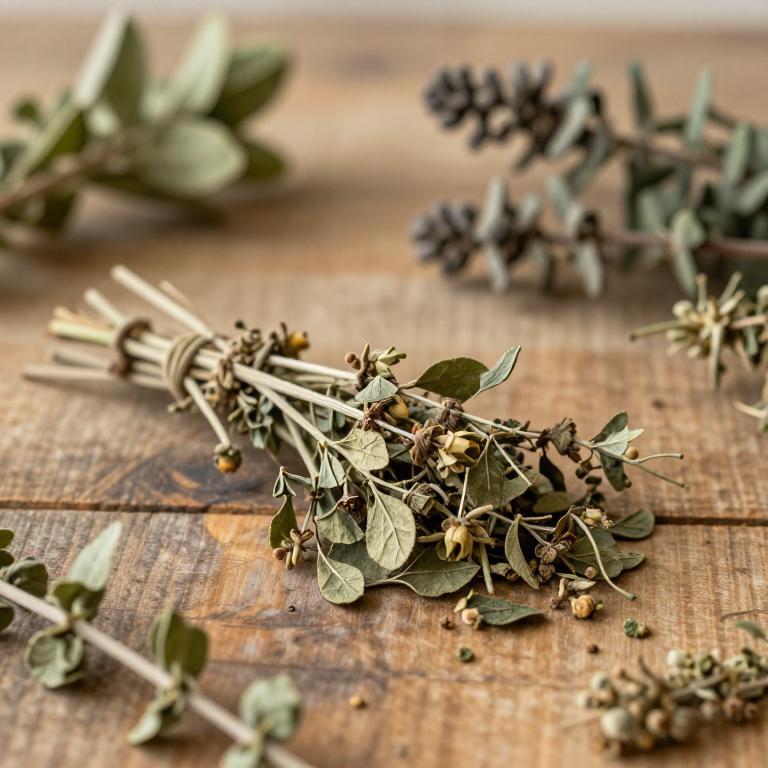
Trifolium scabrum, commonly known as the scurvy clover, is a medicinal herb recognized for its significant therapeutic potential. Recent scientific investigations have highlighted its capacity to mitigate the physiological impact of hyperhomocysteinemia. By targeting metabolic imbalances, this plant serves as a natural agent in managing elevated homocysteine levels. Furthermore, it demonstrates potent antioxidant properties that are essential for combating systemic oxidative stress. Consequently, Trifolium scabrum represents a promising subject for developing natural interventions against oxidative damage and cardiovascular risks.
- Synonyms
- Trifolium Scabrum F. Roseum · Trifolium Turcicum · 4 more
- Common names
- Not available
- Family
- Fabaceae
- Distribution
- Africa
- Plant Parts
- Not available
Classification
Common Names
Trifolium scabrum is recognized across various regions and languages by a diverse array of common names. In certain locales, it is known as Hıyar Dücük or Pürtüklü üçgül, reflecting its specific physical characteristics. The plant also carries the designation Klever Shershavyi in specific linguistic contexts. Furthermore, it is identified as Meillionen Arw and Meillionen Ger y Môr in other traditions. These varied names highlight the wide cultural and regional reach of this particular clover species.
Sources: Catalogue of Life (COL)
Synonyms
Trifolium scabrum is a botanical subject characterized by a complex web of taxonomic synonyms. It is frequently identified in various scientific contexts as Trifolium ochroleucum or Trifolium trichodontium. The species also encompasses several specific forms, including the varieties Trifolium scabrum f. hirsuticaule and Trifolium scabrum f. roseum. Additionally, researchers may encounter this plant documented under the name Trifolium scabrum var. glabrum. Understanding these overlapping nomenclatures is essential for accurate identification and classification within the genus.
Sources: The World Checklist of Vascular Plants (WCVP)
Taxonomy
Trifolium scabrum is a distinct member of the kingdom Plantae. This species is classified under the class Equisetopsida and belongs to the order Fabales. Within this botanical framework, it is nested inside the family Fabaceae. Furthermore, the plant is identified by its specific genus, Trifolium. Understanding these relationships provides essential insight into its place within the natural world.
| Rank | Classification |
|---|---|
| Kingdom | Plantae |
| Phylum | Streptophyta |
| Class | Equisetopsida |
| Subclass | Magnoliidae |
| Order | Fabales |
| Family | Fabaceae |
| Genus | Trifolium |
Sources: The World Checklist of Vascular Plants (WCVP)
Distribution
Geographic Regions
Trifolium scabrum is a resilient plant species with an expansive geographic reach spanning several key regions. Its natural distribution primarily covers the vast continent of Africa, including specific territories in Northern Africa such as Algeria and Egypt. Beyond the mainland, this plant is well-established throughout the Macaronesia archipelago. This includes vital populations found within the Azores, Madeira, and the Canary Islands. Collectively, these diverse locations highlight the plant's ability to thrive across various Atlantic and African environments.
Sources: The World Checklist of Vascular Plants (WCVP)
Identification
Morphology
Trifolium scabrum is a self-supporting herb that maintains a compact presence in its natural habitat. This small plant typically reaches a maximum height of 0.3 meters. Depending on environmental conditions, its stature can vary significantly throughout its growth cycle. Most specimens are observed at a minimum height of approximately 0.158 meters. Even at its lowest points, the plant maintains a height of at least 0.05 meters.
Sources: Global Inventory of Floras and Traits (GIFT)
Biological Activities
Compounds
Conditions
Trifolium scabrum aerial part phenolic fractions demonstrate significant medicinal potential by protecting against changes induced by hyperhomocysteinemia in human plasma. These fractions effectively treat oxidative stress by significantly inhibiting damage in plasma treated with homocysteine or its thiolactone. Additionally, the plant helps treat plasma lipid peroxidation by causing a distinct reduction in thiobarbituric acid reactive substances. The study also indicates that Trifolium scabrum can treat coagulation activity by modulating the coagulation properties of plasma. These combined antioxidative activities suggest the plant plays a crucial role in mitigating the physiological effects of hyperhomocysteinemia.