Trifolium pallidum
Trifolium pallidum · Accepted scientific name
Scientific literature: Very Sparse (0 studies) · ★☆☆☆☆
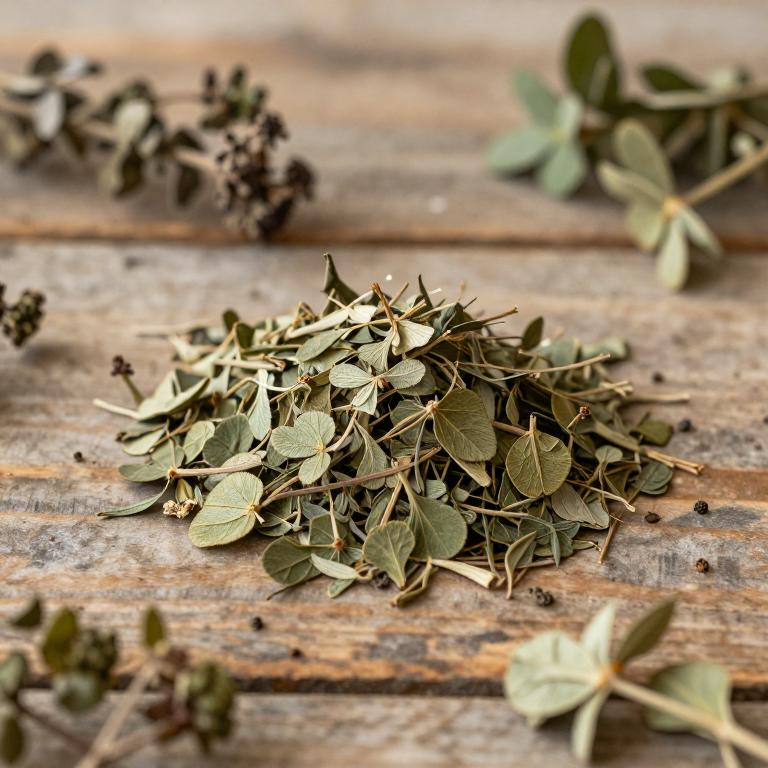
Trifolium pallidum, commonly known as pale clover, is a plant species being investigated for its significant therapeutic potential in modern pharmacology. Recent studies have focused on the isolation of its bioactive phenolic fractions to explore their protective properties. These specific compounds show promise in addressing the physiological challenges posed by hyperhomocysteinemia. Furthermore, the plant demonstrates a notable capacity to mitigate the cellular damage caused by oxidative stress. Consequently, research into this species offers a compelling pathway for developing new dietary or medicinal interventions.
- Synonyms
- Trifolium Pratense Subsp. Pallidum · Trifolium Flavescens · 1 more
- Common names
- Not available
- Family
- Fabaceae
- Distribution
- Not available
- Plant Parts
- Not available
Classification
Common Names
Trifolium pallidum is a botanical species recognized by several distinct local names depending on the region. It is frequently referred to as bleikkløver or blekkløver in various contexts. Some people also identify this plant as the common grenklöver. Additionally, it may be known by the name common svetla detelja. These diverse designations highlight the plant's widespread presence across different linguistic landscapes.
Sources: Catalogue of Life (COL)
Synonyms
Trifolium pallidum is a botanical entity characterized by several complex taxonomic synonyms that reflect its diverse classification history. It is frequently identified in botanical literature as Trifolium flavescens, a name that highlights its close morphological ties to other species. Furthermore, the plant is sometimes categorized under the specific variation known as Trifolium pallidum var. flavescens. Scientific records also link it to the subspecies Trifolium pratense subsp. pallidum, illustrating the shifting relationships within the genus. Understanding these overlapping names is essential for researchers seeking to accurately identify the plant across different studies.
Sources: The World Checklist of Vascular Plants (WCVP)
Taxonomy
Trifolium pallidum belongs to the kingdom Plantae, marking its place among the diverse world of living plants. Within this vast kingdom, it is classified under the class Equisetopsida. Its taxonomic journey continues through the order Fabales, which connects it to a specific group of flowering plants. This species is a member of the family Fabaceae, a group known for its significant botanical importance. Finally, it is identified by its specific genus, Trifolium, which defines its unique biological identity.
| Rank | Classification |
|---|---|
| Kingdom | Plantae |
| Phylum | Streptophyta |
| Class | Equisetopsida |
| Subclass | Magnoliidae |
| Order | Fabales |
| Family | Fabaceae |
| Genus | Trifolium |
Sources: The World Checklist of Vascular Plants (WCVP)
Distribution
Geographic Regions
Trifolium pallidum exhibits a broad geographical range that spans across two major continents. In Africa, this species is primarily distributed throughout Northern Africa, with specific populations found in Algeria, Morocco, and Tunisia. Its reach also extends into the Asia-Temperate region, particularly across Western Asia. Within this Asian territory, the plant can be identified in locations such as the East Aegean Islands and Türkiye. These diverse habitats highlight the plant's ability to thrive across varied Mediterranean and temperate landscapes.
Sources: The World Checklist of Vascular Plants (WCVP)
Identification
Morphology
Trifolium pallidum grows in a characteristic herb form, spreading naturally across its environment. As a self-supporting plant, it maintains its own structure without the need for external assistance.
Sources: Global Inventory of Floras and Traits (GIFT)
Biological Activities
Compounds
Conditions
Trifolium pallidum provides medicinal benefits by protecting human plasma against the adverse changes induced by hyperhomocysteinemia. The phenolic fractions of this plant effectively inhibit oxidative stress within the plasma when treated with homocysteine or its thiolactone. Additionally, these fractions work to reduce plasma lipid peroxidation caused by hyperhomocysteinemia models. The plant also plays a role in modulating the coagulation activity of plasma affected by these substances. Through these combined antioxidant activities, Trifolium pallidum mitigates several biochemical disruptions associated with elevated homocysteine levels.
Preparations
Trifolium pallidum is prepared as phenolic fractions specifically from its aerial parts to study its biological effects. These extracted fractions are utilized in research to combat oxidative changes induced by hyperhomocysteinemia in human plasma. By utilizing these prepared phenolic components, scientists can observe a significant inhibition of oxidative stress. The preparation allows for the direct measurement of reduced lipid peroxidation when the plant material is applied to plasma models. Ultimately, these phenolic fractions from Trifolium pallidum serve as a key mechanism for investigating medicinal antioxidant properties.