Trichosanthes
Trichosanthes · Accepted scientific name
Scientific literature: Very Sparse (2 studies) · ★☆☆☆☆
Trichosanthes is a diverse genus of climbing plants that has garnered significant scientific interest due to its profound medicinal properties. Researchers have extensively studied the chemical constituents found within both the fruit and the root of these species. Most notably, these plant parts have demonstrated remarkable bioactive potential in the fields of oncology. Current studies highlight their promising activities as both anticancer and antitumor agents. Consequently, understanding the therapeutic mechanisms of Trichosanthes remains a vital area of pharmacological investigation.
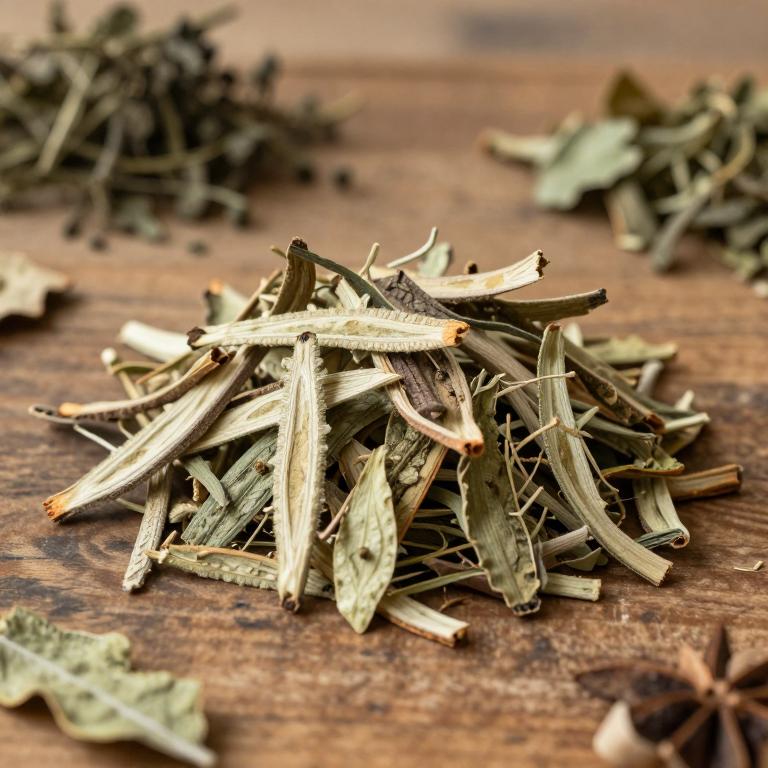
- Synonyms
- Gymnopetalum · Involucraria · 6 more
- Common names
- Not available
- Family
- Cucurbitaceae
- Distribution
- Not available
- Plant Parts
- Fruit · Root
Classification
Common Names
Trichosanthes is a fascinating plant that is widely recognized by many different regional names across the globe. In English-speaking regions, it is most commonly referred to as the Snake Gourd. This variety of nomenclature extends through various languages, such as the Turkish term käärmekurkut and the Czech name uhorkovec. It is also identified as čūskgurķi in certain linguistic contexts and known as Трыхазант in others. These diverse names highlight the plant's widespread presence and cultural significance in different parts of the world.
Sources: Catalogue of Life (COL)
Synonyms
Trichosanthes is a diverse genus that encompasses several taxonomic synonyms used throughout botanical history. Researchers may encounter this plant under various names, such as Anguina or Cucumeroides, depending on the classification system applied. Other recognized synonyms include Eopepon and Gymnopetalum, which reflect different historical interpretations of its morphology. Additionally, the name Involucraria has been linked to the genus in certain scientific contexts. Understanding these overlapping designations is essential for maintaining accuracy in botanical studies and plant identification.
Sources: The World Checklist of Vascular Plants (WCVP)
Taxonomy
Trichosanthes is a distinctive member of the kingdom Plantae, representing a diverse group of multicellular organisms. Within this vast kingdom, it is classified under the class Equisetopsida, which encompasses a wide array of flowering plants. The genus Trichosanthes belongs to the specific order Cucurbitales, a lineage known for its unique evolutionary traits. Further narrowing its biological identity, it is a prominent member of the family Cucurbitaceae. Ultimately, this systematic hierarchy places the genus Trichosanthes within a well-defined botanical framework.
| Rank | Classification |
|---|---|
| Kingdom | Plantae |
| Phylum | Streptophyta |
| Class | Equisetopsida |
| Subclass | Magnoliidae |
| Order | Cucurbitales |
| Family | Cucurbitaceae |
| Genus | Trichosanthes |
Sources: The World Checklist of Vascular Plants (WCVP)
Distribution
Geographic Regions
Trichosanthes is widely distributed across various regions within West Tropical Africa. This plant can be found growing in the diverse landscapes of Benin and Guinea. Its presence also extends to the coastal areas of Guinea-Bissau and Senegal. Additionally, the species thrives within the tropical environments of the Ivory Coast. These interconnected locations highlight the significant ecological footprint the genus maintains across the West African belt.
Sources: The World Checklist of Vascular Plants (WCVP)
Identification
Biological Activities
Trichosanthes stands out as a premier genus in medicinal research due to its significant potential for drug discovery. Specifically, the plant contains ribosome inactivating proteins (RIPs) that exhibit potent antitumor activities. These multifunctional proteins, such as trichosanthin, have shown great promise in targeting neoplasms through various in vitro and in vivo studies. Because of these biological properties, the genus is ranked among the top five plant families for the development of new anticancer drugs. Continued investigation into these unique compounds may eventually provide a novel therapeutic window for treating stubborn cancers.
Compounds
Conditions
Preparations
Parts used
Trichosanthes is a genus of plants that holds significant value in traditional medicine through its various anatomical components. Research into the species highlights the importance of the fruit, specifically the medicinal fruit-rind known as gualou, which is frequently used in pharmaceutical applications. Beyond the fruit, the root of the plant also serves as a vital crude drug used in various medical preparations. Scientific investigations have utilized immunological methods to identify characteristic antigens within these specific plant parts. By studying both the fruit and the root, researchers can better distinguish authentic medicinal specimens from similar-looking species.