Trichosanthes bracteata
Trichosanthes bracteata · Accepted scientific name
Scientific literature: Very Sparse (8 studies) · ★☆☆☆☆
Trichosanthes bracteata, scientifically known as Trichosanthes bracteata, is a versatile medicinal climber valued in traditional herbal medicine. Renowned for its diverse therapeutic properties, this plant is frequently utilized to treat various ailments, including inflammatory conditions and digestive issues, offering a natural approach to holistic health and wellness.
- Family
- Cucurbitaceae
- Native range
- Asia-Temperate
- Parts used
- Seed
- Common names
- Not available
- Scientific synonyms
- Anguina Bracteata · Trichosanthes Tricuspidata Var. Strigosa · 2 more
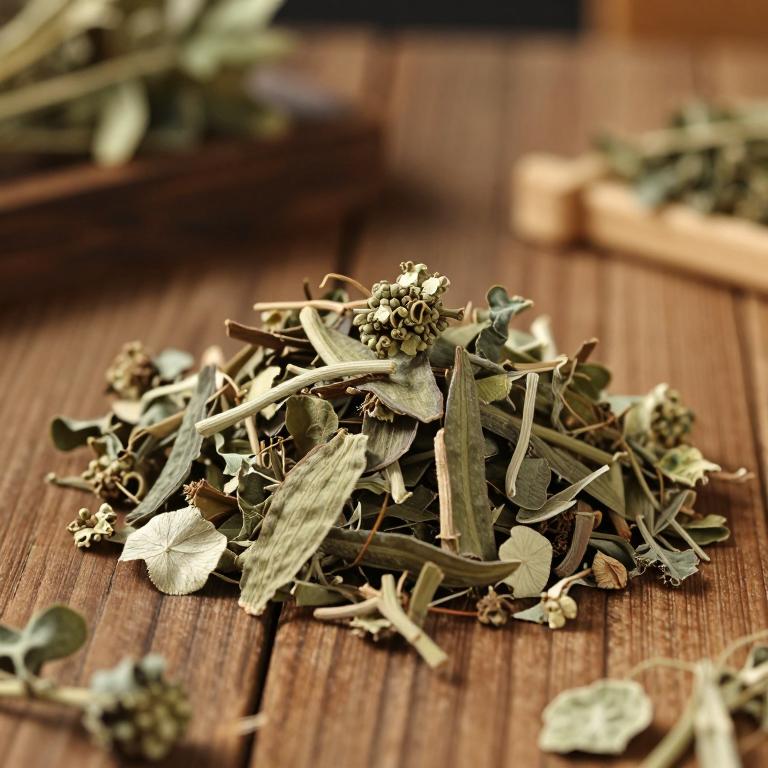
Names and Synonyms
Scientific Names
Accepted name
Trichosanthes bracteataSynonyms
- Anguina bracteata
- Trichosanthes tricuspidata var. strigosa
- Trichosanthes hupehensis
- Modecca bracteata
Sources: Wikidata, Catalogue of Life
Taxonomical Classification
This plant belongs to the kingdom Plantae and is classified under the phylum Streptophyta and the class Equisetopsida. Within the subclass Magnoliidae, it falls under the order Cucurbitales and the family Cucurbitaceae. Finally, it is categorized under the genus Trichosanthes, specifically as the species Trichosanthes bracteata.
| Rank | Classification |
|---|---|
| Kingdom | Plantae |
| Phylum | Streptophyta |
| Class | Equisetopsida |
| Subclass | Magnoliidae |
| Order | Cucurbitales |
| Family | Cucurbitaceae |
| Genus | Trichosanthes |
Sources: The World Checklist of Vascular Plants (WCVP)
Distribution
This plant exhibits a broad geographical presence across several key regions in Asia. Within China, it is specifically documented to grow in the South-Central areas. Its distribution extends significantly into the Indian Subcontinent, where it can be found throughout India and Bangladesh. Additionally, the species is native to the specific terrain of the East Himalaya. Finally, it is also recorded within the Assam region of the Indian Subcontinent.
| Region | Area |
|---|---|
| China | China South-Central |
| Indian Subcontinent | Assam |
| Indian Subcontinent | Bangladesh |
| Indian Subcontinent | East Himalaya |
| Indian Subcontinent | India |
| Indian Subcontinent | Nepal |
| Indian Subcontinent | Sri Lanka |
| Indian Subcontinent | West Himalaya |
| Indo-China | Myanmar |
| Southwestern Pacific | Vanuatu |
Sources: The World Checklist of Vascular Plants (WCVP)
Botanical Identification
Ecology
The ecology of Trichosanthes bracteata is characterized by its distribution across specific altitudinal gradients within its native habitat. This species thrives within a defined elevational range that extends from lower montane regions up to a maximum elevation of 2050 m AMSL. Its presence in these mid-to-high altitude zones suggests an adaptation to specific temperature regimes and moisture availability typical of these elevations. The plant's ecological niche is defined by these vertical parameters, which influence the soil composition, light availability, and humidity levels it encounters, ultimately shaping its growth patterns and reproductive success within its environmental niche.
- Elevational range max:
- 2050 m AMSL
Morphology
The morphology of Trichosanthes bracteata is characterized by its growth habit as a non-woody, herbaceous plant that thrives primarily in terrestrial environments, though it can occupy semiaquatic niches. As a climbing organism, it functions as a vine, utilizing a liana-like growth pattern to navigate its surroundings. This climbing behavior is classified as obligatory, meaning the plant relies on external structures for support rather than being self-supporting. Furthermore, it is a strictly terrestrial species and does not exhibit epiphytic tendencies.
- Aquatic :
- terrestrial
- Climber :
- vine
- Climber :
- obligatory
- Epiphyte :
- terrestrial
- Woodiness :
- non-woody
Reproduction
The reproduction of Trichosanthes bracteata is characterized by a seasonal flowering cycle that dictates its reproductive availability throughout the year. The flowering period typically commences in May, marking the onset of the plant's reproductive phase. This period of floral development continues for several months, eventually reaching its conclusion in October. Because the onset and duration can be influenced by environmental factors, the specific timing within this window may exhibit slight variations, though the general cycle remains consistent within this timeframe.
- Flowering time :
- May
- Flowering time :
- Oct
Sources: Global Inventory of Floras and Traits (GIFT)
Plant Parts
Trichosanthes bracteata has 1 reported plant parts identified across 1 scientific publications and several other databases that are studied for medicinal purposes. The most consistently reported plant part include seed.
| Plant part | Supporting sources | Consensus |
|---|---|---|
| Seed | 1 supporting sources | ★☆☆☆☆ |
Seed
- Zhongguo Zhong yao za zhi = Zhongguo zhongyao zazhi = China journal of Chinese materia medica
Chemicals
Trichosanthes bracteata has 7 reported phytochemicals identified across 1 scientific publications and several other databases. The most consistently reported chemicals include 10alpha-cucurbitadienol, 5-Dehydrokarounidiol, 7-Oxodihydrokarounidiol, BETA-SITOSTEROL, Isokarounidiol.
| Chemical | Supporting sources | Consensus |
|---|---|---|
| 10alpha-cucurbitadienol | 1 supporting sources | ★☆☆☆☆ |
| 5-Dehydrokarounidiol | 1 supporting sources | ★☆☆☆☆ |
| 7-Oxodihydrokarounidiol | 1 supporting sources | ★☆☆☆☆ |
| BETA-SITOSTEROL | 1 supporting sources | ★☆☆☆☆ |
| Isokarounidiol | 1 supporting sources | ★☆☆☆☆ |
| Karounidiol | 1 supporting sources | ★☆☆☆☆ |
| Stigmast-7-en-3beta-ol | 1 supporting sources | ★☆☆☆☆ |
10alpha-cucurbitadienol
- Zhongguo Zhong yao za zhi = Zhongguo zhongyao zazhi = China journal of Chinese materia medica
5-Dehydrokarounidiol
- Zhongguo Zhong yao za zhi = Zhongguo zhongyao zazhi = China journal of Chinese materia medica
7-Oxodihydrokarounidiol
- Zhongguo Zhong yao za zhi = Zhongguo zhongyao zazhi = China journal of Chinese materia medica
BETA-SITOSTEROL
- Zhongguo Zhong yao za zhi = Zhongguo zhongyao zazhi = China journal of Chinese materia medica
Isokarounidiol
- Zhongguo Zhong yao za zhi = Zhongguo zhongyao zazhi = China journal of Chinese materia medica
Karounidiol
- Zhongguo Zhong yao za zhi = Zhongguo zhongyao zazhi = China journal of Chinese materia medica
Stigmast-7-en-3beta-ol
- Zhongguo Zhong yao za zhi = Zhongguo zhongyao zazhi = China journal of Chinese materia medica
Preparations
Trichosanthes bracteata has 1 reported preparations identified across 1 scientific publications and several other databases. The most consistently reported preparations include seed oil.
| Preparation | Supporting sources | Consensus |
|---|---|---|
| Seed oil | 1 supporting sources | ★☆☆☆☆ |
Seed oil
- Zhongguo Zhong yao za zhi = Zhongguo zhongyao zazhi = China journal of Chinese materia medica