Trichilia pallida
Trichilia pallida · Accepted scientific name
Scientific literature: Very Sparse (1 studies) · ★☆☆☆☆
Trichilia pallida, scientifically known as Trichilia pallida, is a significant medicinal plant native to tropical regions. Renowned for its diverse therapeutic properties, various parts of the tree are utilized in traditional medicine to treat ailments ranging from skin infections to gastrointestinal issues, offering valuable potential for modern pharmacological research.
- Family
- Not available
- Native range
- Northern America
- Parts used
- Root
- Common names
- Not available
- Scientific synonyms
- Not available
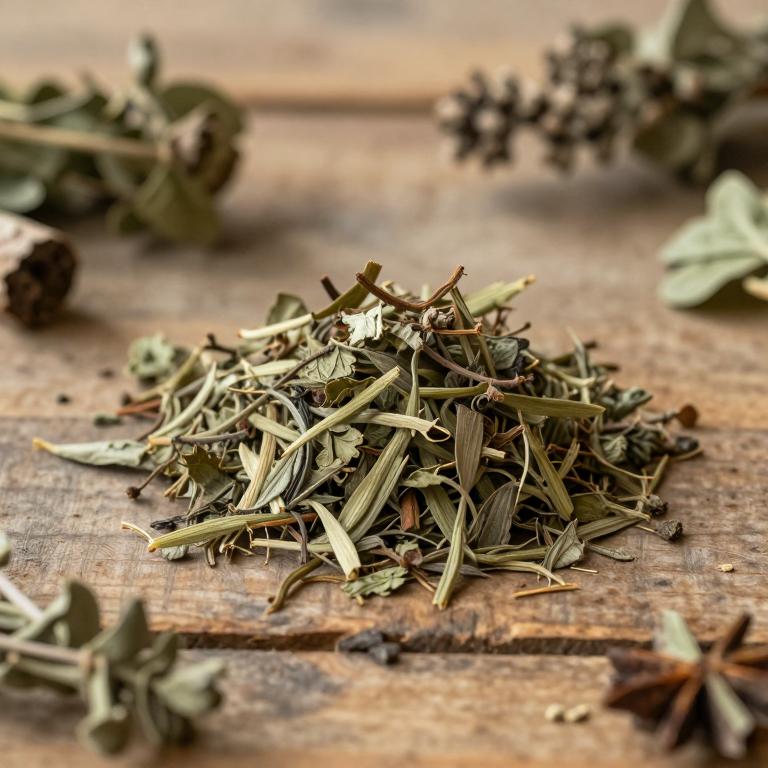
Names and Synonyms
Scientific Names
Accepted name
Trichilia pallidaDistribution
This plant exhibits a wide distribution across several key regions of Mexico and Central America. Within Mexico, it can be found spanning the Gulf coast, the Southwest, and the Southeast territories. Its presence extends southward into Central America, specifically inhabiting the country of Belize. Additionally, the species is documented as growing within the borders of Costa Rica. Collectively, these locations highlight the diverse tropical and subtropical environments where the plant thrives.
| Region | Area |
|---|---|
| Mexico | Mexico Gulf |
| Mexico | Mexico Southwest |
| Mexico | Mexico Southeast |
| Central America | Belize |
| Central America | Costa Rica |
| Central America | El Salvador |
| Central America | Guatemala |
| Central America | Honduras |
| Central America | Nicaragua |
| Central America | Panamá |
Sources: The World Checklist of Vascular Plants (WCVP)
Botanical Identification
Ecology
The ecology of Trichilia pallida is characterized by its broad adaptability across varying topographic gradients and specific vegetation types. This species inhabits a wide elevational range, spanning from sea level up to a maximum altitude of 2500 m AMSL. Its primary habitat is found within the Cerrado biome, where it integrates into the complex structural and biological dynamics of these tropical savanna ecosystems.
- Elevational range max:
- 2500 m AMSL
- Elevational range min:
- 0 m AMSL
- Habitat :
- Cerrado
Life history
The life history of Trichilia pallida is characterized by its nature as a perennial species, allowing it to establish long-term presence within its ecological niche. Throughout its developmental stages, the plant maintains a consistent foliage profile as an evergreen, ensuring that its photosynthetic processes can occur across varying seasonal cycles without the period of dormancy associated with leaf shedding. This combination of a long-lived life cycle and constant greenery supports its sustained growth and structural development over many years.
- Deciduousness :
- evergreen
- Lifecycle :
- perennial
Morphology
The morphology of Trichilia pallida is characterized by its growth form as a woody tree, which reaches a mean height of 10 m and can attain a maximum height of up to 25 m. As a self-supporting organism, it does not function as a climber, liana, or vine, nor does it exhibit epiphytic behavior, remaining strictly terrestrial in its habitat. Furthermore, the plant is an independent species, lacking any parasitic tendencies.
- Aquatic :
- terrestrial
- Climber :
- self-supporting
- Epiphyte :
- terrestrial
- Growth form :
- tree
- Parasite :
- independent
- Plant height max:
- 25 m
- Plant height mean:
- 10 m
- Woodiness :
- woody
Physiology
The physiology of Trichilia pallida is characterized by a C3 photosynthetic pathway, indicating a standard carbon fixation process typical of many woody tropical species. In terms of leaf structural composition, the plant exhibits a consistent Leaf Dry Matter Content (LDMC) with a recorded mean, minimum, and maximum value of 358.2 mg/g, suggesting a uniform density of organic matter within its leaf tissues. Furthermore, the species does not function as a nitrogen fixer, meaning it relies on external soil nitrogen sources rather than symbiotic nitrogen-fixing bacteria to meet its nutritional requirements.
- Leaf dry matter content (LDMC) mean:
- 358.2 mg/g
- Nitrogen fixer :
- no
- Photosynthetic pathway :
- C3
Reproduction
The reproduction of Trichilia pallida is driven by complex biological interactions involving both biotic pollination and animal-mediated dispersal mechanisms. The plant utilizes a biotic pollination syndrome, relying on living organisms rather than abiotic factors to facilitate the transfer of pollen. Specifically, its pollination strategy is multifaceted, involving general insect pollination as well as specialized interactions with bees, which play a critical role in the fertilization process. Following successful fertilization, the plant employs a zoochorous dispersal syndrome, meaning its seeds are distributed by animals, ensuring the movement and establishment of offspring within the ecosystem.
- Dispersal syndrome :
- zoochorous
- Pollination syndrome :
- insect
- Pollination syndrome :
- bee
- Pollination syndrome :
- biotic
Sources: Global Inventory of Floras and Traits (GIFT)
Plant Parts
Trichilia pallida has 1 reported plant parts identified across 1 scientific publications and several other databases that are studied for medicinal purposes. The most consistently reported plant part include root.
| Plant part | Supporting sources | Consensus |
|---|---|---|
| Root | 1 supporting sources | ★☆☆☆☆ |
Root
- Journal of natural products
Preparations
Trichilia pallida has 1 reported preparations identified across 1 scientific publications and several other databases. The most consistently reported preparations include roots.
| Preparation | Supporting sources | Consensus |
|---|---|---|
| Roots | 1 supporting sources | ★☆☆☆☆ |
Roots
- Journal of natural products