Tribulus
Tribulus · Accepted scientific name
Scientific literature: Very Sparse (0 studies) · ★☆☆☆☆
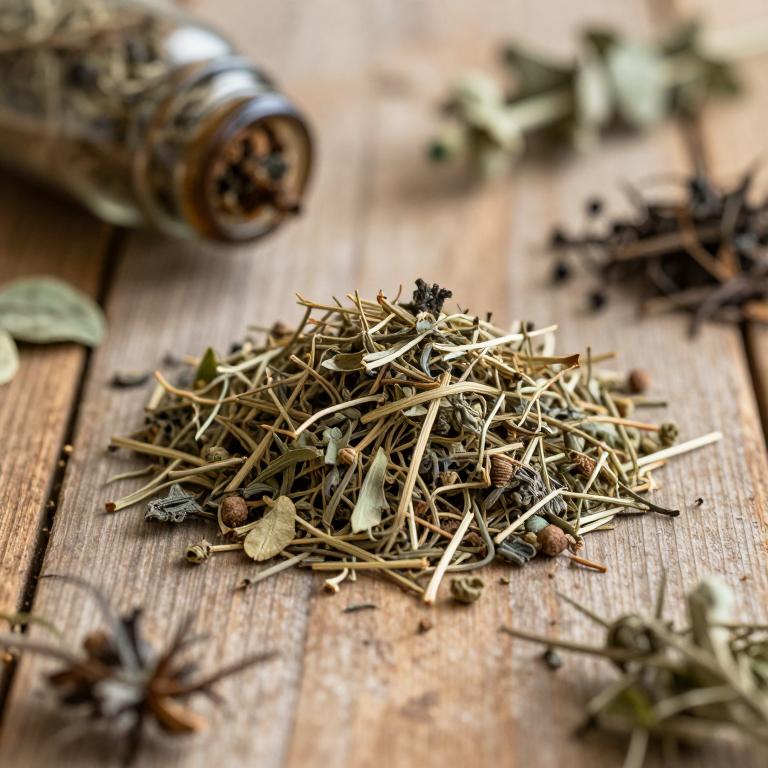
Tribulus is a versatile botanical genus that has been utilized for centuries in various traditional herbal preparations. Often recognized by its distinctive spiny fruits, this plant is highly valued in many cultures for its diverse therapeutic properties. It is frequently processed into specialized herb forms, such as tinctures, powders, or dried extracts, to harness its natural potency. Many people turn to these herbal remedies to support overall vitality and physiological balance. Understanding the various ways to prepare this plant is essential for those exploring its many medicinal benefits.
- Synonyms
- Not available
- Common names
- Not available
- Family
- Zygophyllaceae
- Distribution
- Not available
- Plant Parts
- Not available
Classification
Common Names
Tribulus is a plant known by a variety of striking and descriptive common names. It is frequently referred to as Burzeldorn or Burzeldorne in certain regions. Many people also call it Devil's Thorns due to its sharp and intimidating appearance. Because of its ability to pierce through footwear, it is widely recognized as Puncture Vine. Finally, its historical and physical resemblance to ancient weaponry has earned it the name caltrop.
Sources: Catalogue of Life (COL)
Taxonomy
Tribulus belongs to the expansive kingdom Plantae, encompassing a vast array of diverse botanical life. Within this kingdom, it is classified under the class Equisetopsida, marking its place among the flowering plants. Its taxonomic journey continues through the order Zygophyllales, which helps define its specific biological characteristics. This plant is a member of the Zygophyllaceae family, a group known for its unique structural traits. Ultimately, it is identified by its distinct genus, Tribulus, which distinguishes it from all other related species.
| Rank | Classification |
|---|---|
| Kingdom | Plantae |
| Phylum | Streptophyta |
| Class | Equisetopsida |
| Subclass | Magnoliidae |
| Order | Zygophyllales |
| Family | Zygophyllaceae |
| Genus | Tribulus |
Sources: The World Checklist of Vascular Plants (WCVP)
Distribution
Geographic Regions
Tribulus exhibits a wide-reaching distribution across several key regions within the African continent. In East Tropical Africa, the species can be found growing throughout Kenya, Tanzania, and Uganda. Its presence also extends to the Macaronesia region, where it flourishes in the Canary Islands. Additionally, the plant is established in the island territories of Cape Verde. This diverse geographical range highlights the plant's ability to adapt to various African and Atlantic environments.
Sources: The World Checklist of Vascular Plants (WCVP)
Identification
Biological Activities
Compounds
Conditions
Preparations
Tribulus is prepared as herbs according to the research context provided. This specific plant is categorized among various random herbs that contain significant gram-negative microbial biomass. The study identifies such botanical products as sources of bioactive microbial-associated molecular patterns. Consequently, the consumption of these herbal preparations may involve interaction with a functional microbiome. Understanding how Tribulus is processed as an herb is essential for evaluating its potential immune-activating properties.