Tribulus parvispinus
Tribulus parvispinus · Accepted scientific name
Scientific literature: Very Sparse (2 studies) · ★☆☆☆☆
Tribulus parvispinus, scientifically known as Tribulus parvispinus, is a resilient medicinal herb belonging to the Zygophyllaceae family. Often found in arid regions, this plant is valued in traditional medicine for its diverse therapeutic properties, including its potential to support hormonal balance, enhance vitality, and provide potent antioxidant benefits.
- Family
- Zygophyllaceae
- Native range
- Africa
- Parts used
- Not available
- Common names
- Not available
- Scientific synonyms
- Tribulus Terrestris Var. Desertorum · Tribulus Terrestris Var. Parvispinus
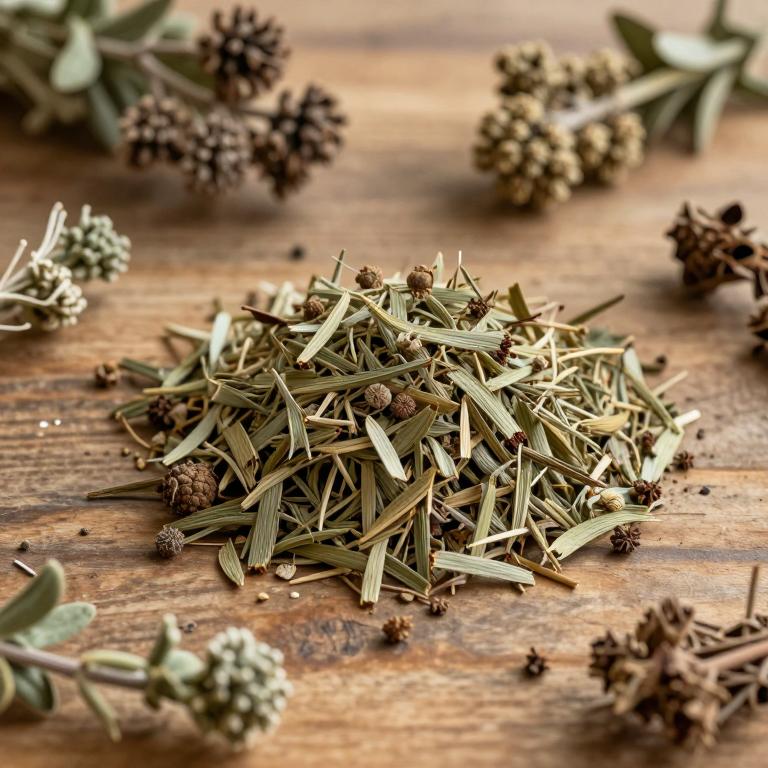
Names and Synonyms
Scientific Names
Accepted name
Tribulus parvispinusSynonyms
- Tribulus terrestris var. desertorum
- Tribulus terrestris var. parvispinus
Sources: Wikidata
Taxonomical Classification
This plant belongs to the kingdom Plantae within the phylum Streptophyta and the class Equisetopsida. It is further classified under the subclass Magnoliidae and the order Zygophyllales. Finally, it falls into the family Zygophyllaceae and is identified by the genus Tribulus.
| Rank | Classification |
|---|---|
| Kingdom | Plantae |
| Phylum | Streptophyta |
| Class | Equisetopsida |
| Subclass | Magnoliidae |
| Order | Zygophyllales |
| Family | Zygophyllaceae |
| Genus | Tribulus |
Sources: The World Checklist of Vascular Plants (WCVP)
Distribution
This plant exhibits a specific distribution pattern concentrated within the arid regions of the African continent. In Northern Africa, it can be found growing within the borders of Egypt. Its presence extends into Northeast Tropical Africa, where it inhabits the landscapes of Djibouti and Eritrea. Furthermore, the species is documented across the territory of Somalia. Finally, its range continues through the expansive regions of both Sudan and South Sudan.
| Region | Area |
|---|---|
| Northern Africa | Egypt |
| Northeast Tropical Africa | Djibouti |
| Northeast Tropical Africa | Eritrea |
| Northeast Tropical Africa | Somalia |
| Northeast Tropical Africa | Sudan-South Sudan |
| East Tropical Africa | Kenya |
| East Tropical Africa | Tanzania |
| East Tropical Africa | Uganda |
| Western Indian Ocean | Madagascar |
| Western Asia | Iran |
Sources: The World Checklist of Vascular Plants (WCVP)
Activities
Tribulus parvispinus has 1 reported activities identified across 0 scientific publications and several other databases. The most consistently reported activities include Cytotoxic.
| Activity | Supporting sources | Consensus |
|---|---|---|
| Cytotoxic | 1 supporting sources | ★☆☆☆☆ |
Cytotoxic
- Journal of natural products