Tragia gallabatensis
Tragia gallabatensis · Accepted scientific name
Scientific literature: Very Sparse (6 studies) · ★☆☆☆☆
Tragia gallabatensis, scientifically known as Tragia gallabatensis, is a significant medicinal plant utilized in traditional healing practices. Belonging to the Euphorbiaceae family, it is valued for its diverse pharmacological properties. This species is frequently studied for its potential bioactive compounds and its role in treating various ailments across regions.
- Family
- Euphorbiaceae
- Native range
- Africa
- Parts used
- Leaf
- Common names
- Not available
- Scientific synonyms
- Croton Hastatus · Tragia Hildebrandtii Var. Brouniana · 7 more
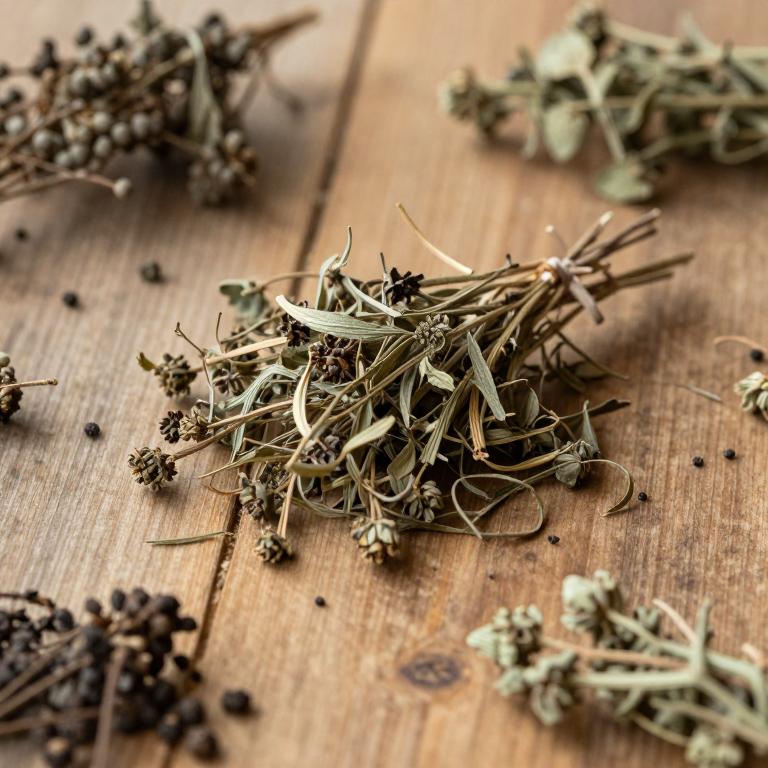
Names and Synonyms
Scientific Names
Accepted name
Tragia gallabatensisSynonyms
- Croton hastatus
- Tragia hildebrandtii var. brouniana
- Tragia plukenetii
- Tragia involucrata var. cannabina
- Tragia involucrata var. intermedia
- Tragia cannabina var. intermedia
- Tragia brouniana
- Tragia cannabina var. brouniana
- Tragia cannabina var. hastata
Sources: Wikidata
Taxonomical Classification
This plant, Tragia gallabatensis, belongs to the kingdom Plantae and the phylum Streptophyta. It is classified under the class Equisetopsida and the subclass Magnoliidae within the order Malpighiales. Finally, it is a member of the family Euphorbiaceae and falls under the genus Tragia.
| Rank | Classification |
|---|---|
| Kingdom | Plantae |
| Phylum | Streptophyta |
| Class | Equisetopsida |
| Subclass | Magnoliidae |
| Order | Malpighiales |
| Family | Euphorbiaceae |
| Genus | Tragia |
Sources: The World Checklist of Vascular Plants (WCVP)
Distribution
This plant exhibits a specific distribution pattern across several distinct regions of the African continent. In West Tropical Africa, its presence has been documented within the borders of Nigeria. Moving into West-Central Tropical Africa, the species can be found in the Central African Republic, Cameroon, and the Democratic Republic of the Congo. Additionally, its range extends into Northeast Tropical Africa, specifically within Chad. Together, these locations highlight the plant's presence across diverse tropical ecosystems.
| Region | Area |
|---|---|
| West Tropical Africa | Nigeria |
| West-Central Tropical Africa | Central African Republic |
| West-Central Tropical Africa | Cameroon |
| West-Central Tropical Africa | DR Congo |
| Northeast Tropical Africa | Chad |
| Northeast Tropical Africa | Djibouti |
| Northeast Tropical Africa | Eritrea |
| Northeast Tropical Africa | Ethiopia |
| Northeast Tropical Africa | Somalia |
| Northeast Tropical Africa | Sudan-South Sudan |
Sources: The World Checklist of Vascular Plants (WCVP)
Plant Parts
Tragia gallabatensis has 1 reported plant parts identified across 1 scientific publications and several other databases that are studied for medicinal purposes. The most consistently reported plant part include leaf.
| Plant part | Supporting sources | Consensus |
|---|---|---|
| Leaf | 1 supporting sources | ★☆☆☆☆ |
Leaf
- Applied biochemistry and biotechnology
Chemicals
Tragia gallabatensis has 2 reported phytochemicals identified across 1 scientific publications and several other databases. The most consistently reported chemicals include n-Hexadecanoic acid, omega-Decenol.
| Chemical | Supporting sources | Consensus |
|---|---|---|
| n-Hexadecanoic acid | 1 supporting sources | ★☆☆☆☆ |
| omega-Decenol | 1 supporting sources | ★☆☆☆☆ |
n-Hexadecanoic acid
- Applied biochemistry and biotechnology
omega-Decenol
- Applied biochemistry and biotechnology
Activities
Tragia gallabatensis has 2 reported activities identified across 1 scientific publications and several other databases. The most consistently reported activities include Anticancer, Antibacterial.
| Activity | Supporting sources | Consensus |
|---|---|---|
| Anticancer | 2 supporting sources | ★☆☆☆☆ |
| Antibacterial | 1 supporting sources | ★☆☆☆☆ |
Anticancer
- Plants (Basel, Switzerland)
- Applied biochemistry and biotechnology
Antibacterial
- Plants (Basel, Switzerland)