Tibetiodes flaccida
Tibetiodes flaccida · Accepted scientific name
Scientific literature: Very Sparse (0 studies) · ★☆☆☆☆
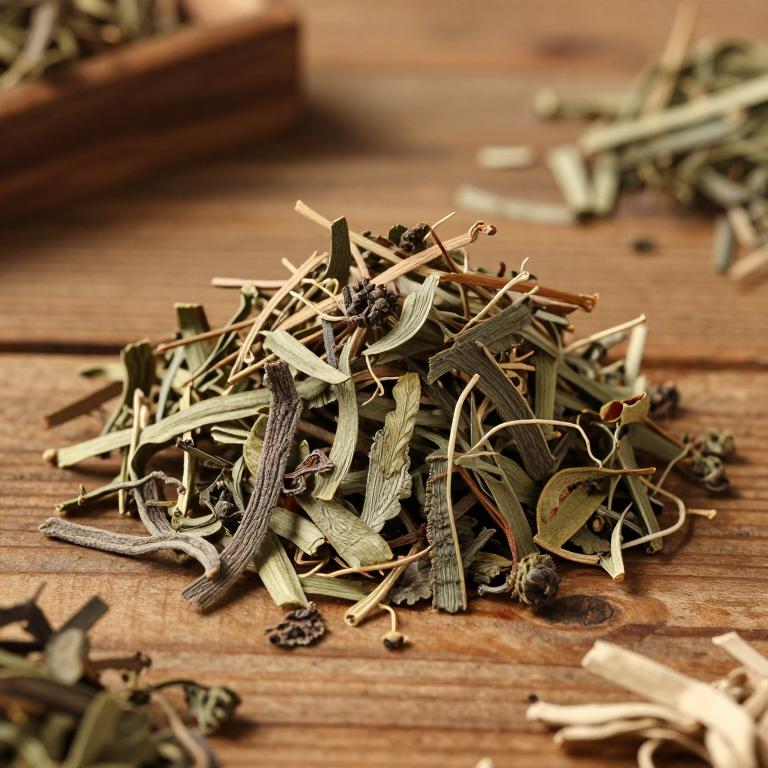
Tibetiodes flaccida is a unique botanical species recognized for its specific role in traditional Chinese herb medicine. This plant is valued for its distinct biological properties and its long history of use in various medicinal preparations. Practitioners often incorporate it into complex formulas designed to address specific health concerns according to ancient healing principles. Understanding its chemical composition and therapeutic potential remains a key focus for researchers studying traditional remedies. As interest in natural pharmacology grows, this plant continues to be a subject of significant botanical and medicinal interest.
- Synonyms
- Aster Flaccidus F. Glabratus · Aster Flaccidus F. Gracilis · 11 more
- Common names
- Not available
- Family
- Asteraceae
- Distribution
- Not available
- Plant Parts
- Not available
Classification
Synonyms
Tibetiodes flaccida is a botanical subject characterized by a complex history of taxonomic nomenclature. Throughout various scientific classifications, this plant has been identified by several synonyms, including Aster argunensis. It has also been categorized under the name Aster flaccidus, reflecting historical shifts in its perceived lineage. Further distinctions have led to its recognition as specific forms, such as Aster flaccidus f. glabratus and Aster flaccidus f. gracilis. Additionally, the name Aster flaccidus f. griseobarbatus remains part of its extensive synonymy, highlighting the intricate nature of its botanical identity.
Sources: The World Checklist of Vascular Plants (WCVP)
Taxonomy
Tibetiodes flaccida belongs to the diverse kingdom Plantae, representing a unique branch of the natural world. Within this vast kingdom, the species is classified under the class Equisetopsida. It further descends through the order Asterales, showcasing its specific evolutionary lineage. This plant is a distinguished member of the genus Tibetiodes, which helps botanists categorize its distinct traits. Ultimately, its placement within the Asteraceae family connects it to a wide array of well-known flowering plants.
| Rank | Classification |
|---|---|
| Kingdom | Plantae |
| Phylum | Streptophyta |
| Class | Equisetopsida |
| Subclass | Magnoliidae |
| Order | Asterales |
| Family | Asteraceae |
| Genus | Tibetiodes |
Sources: The World Checklist of Vascular Plants (WCVP)
Distribution
Geographic Regions
Tibetiodes flaccida is a plant species with a broad distribution throughout the Asia-Temperate region. Its presence is notably documented across Central Asia, specifically within the territories of Kazakhstan and Uzbekistan. In China, the species thrives across diverse landscapes, including the North-Central and South-Central provinces. Furthermore, the plant can be found growing within the unique environment of Qinghai. This wide geographic range highlights the adaptability of the species across various Asian terrains.
Sources: The World Checklist of Vascular Plants (WCVP)
Identification
Biological Activities
Compounds
Conditions
Tibetiodes flaccida (specifically identified as the variety Aster flaccidus) acts as a moderately resistant host against the seed predator Tephritis angustipennis. This plant mitigates damage from the insect through the activation of various resistance enzymes and insect-resistant metabolites. Specifically, the relationship involves the production of antioxidant enzymes such as catalase, peroxidase, and superoxide dismutase to counter the pest. Additionally, the presence of tannins and flavonoids in the plant serves as a biochemical defense mechanism against T. angustipennis infestation. These physiological responses allow the plant to better manage the pressure exerted by the seed predator compared to highly susceptible varieties.
Preparations
Tibetiodes flaccida is prepared as a traditional Chinese herb medicine according to the botanical context provided. This specific plant serves as a source for various chemical compounds used in medicinal practices. Research into its aerial parts has led to the isolation of unique terpenoid glucosides. These chemical constituents, such as 2-O-beta-D-glucopyranoside-vicodiol, highlight the plant's complex biological makeup. Studying these substances helps clarify the scientific basis for its long-standing use in traditional medicine.