Thymus serpyllum subsp. serpyllum
Thymus serpyllum subsp. serpyllum · Accepted scientific name
Scientific literature: Very Sparse (0 studies) · ★☆☆☆☆
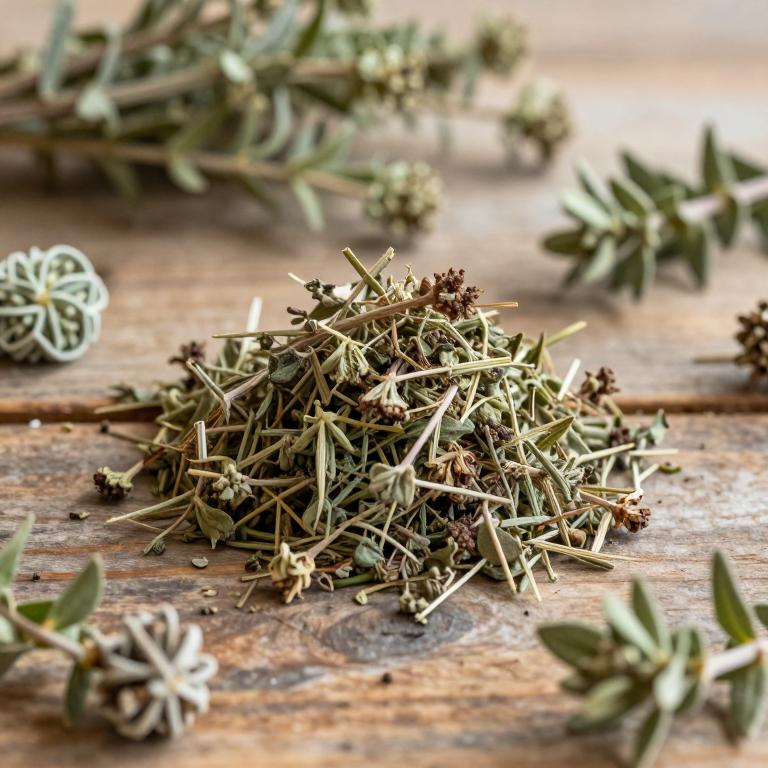
Thymus serpyllum subsp. serpyllum, commonly known as wild thyme, is a low-growing perennial herb frequently found in rocky or sandy habitats. This resilient plant is highly valued for its aromatic foliage and its ability to form dense, fragrant mats across the ground. A key characteristic of this subspecies is its significant concentration of thymol, a powerful chemical compound known for its antiseptic properties. Beyond its ecological role, the plant is widely utilized in traditional herbalism and modern aromatherapy due to these potent bioactive constituents. Understanding its chemical makeup provides essential insight into why this species remains a staple in both natural landscapes and medicinal studies.
- Synonyms
- Cunila Thymoides · Hedeoma Thymoides · 127 more
- Common names
- Not available
- Family
- Lamiaceae
- Distribution
- Not available
- Plant Parts
- Not available
Classification
Common Names
Thymus serpyllum subsp. serpyllum is a versatile plant known by many different names across various regions and languages. In English-speaking areas, it is frequently referred to as Breckland Thyme or simply Sand-Thymian. This variety also carries the name Sand-Thymian in German contexts, highlighting its widespread recognition. In other linguistic traditions, the plant is identified as backtimjan or the Finnish harjuajuruoho. These diverse common names reflect the plant's unique cultural and botanical presence throughout its natural habitat.
Sources: Catalogue of Life (COL)
Synonyms
Thymus serpyllum subsp. serpyllum is a botanical subject that has been documented under several different scientific names throughout history. One common synonym used to identify this plant is Cunila thymoides, though it is also frequently referred to as Hedeoma thymoides in various texts. Researchers have also applied the names Serpyllum angustifolium and Serpyllum citriodora to describe this specific subspecies. Additionally, the nomenclature includes the synonym Thymus adscendens, reflecting the complex taxonomic shifts this plant has undergone. Understanding these diverse naming conventions is essential for accurately identifying the species in both academic and field settings.
Sources: The World Checklist of Vascular Plants (WCVP)
Taxonomy
Thymus serpyllum subsp. serpyllum is a distinct botanical entity that belongs to the kingdom Plantae. Within this vast biological kingdom, it is categorized under the class Equisetopsida. This specific plant is further classified into the order Lamiales, showcasing its evolutionary lineage. It is a member of the Lamiaceae family, which is well known for its aromatic characteristics. Finally, it is identified by its specific genus, Thymus, which defines its unique morphological traits.
| Rank | Classification |
|---|---|
| Kingdom | Plantae |
| Phylum | Streptophyta |
| Class | Equisetopsida |
| Subclass | Magnoliidae |
| Order | Lamiales |
| Family | Lamiaceae |
| Genus | Thymus |
Sources: The World Checklist of Vascular Plants (WCVP)
Distribution
Geographic Regions
Thymus serpyllum subsp. serpyllum is a resilient plant with a broad geographical footprint spanning across various regions. Its distribution extends deeply into Asia-Temperate zones, specifically throughout Siberia and West Siberia. In Europe, this subspecies is widely established across Eastern Europe, including the Baltic States and Belarus. It also maintains a significant presence throughout Central European Russia and East European Russia. These widespread habitats highlight the plant's ability to thrive across diverse Eurasian landscapes.
Sources: The World Checklist of Vascular Plants (WCVP)
Identification
Biological Activities
Compounds
Thymus serpyllum subsp. serpyllum represents a significant subject within the study of essential oil composition and genetic diversity among Hungarian Thymus species. Research into these taxa utilizes gas chromatography-mass spectrometry to distinguish between various chemical chemotypes. While some species are characterized by high levels of thymol, others are defined by their sesquiterpenic components. The integration of chemical analysis with molecular tools like random amplified polymorphic DNA allows for a deeper understanding of these complex plant relationships. Ultimately, these studies aim to determine how volatile compositions can serve as effective taxonomic markers for classification.