Thymus saturejoides
Thymus saturejoides · Accepted scientific name
Scientific literature: Very Extensive (206 studies) · ★★★★★
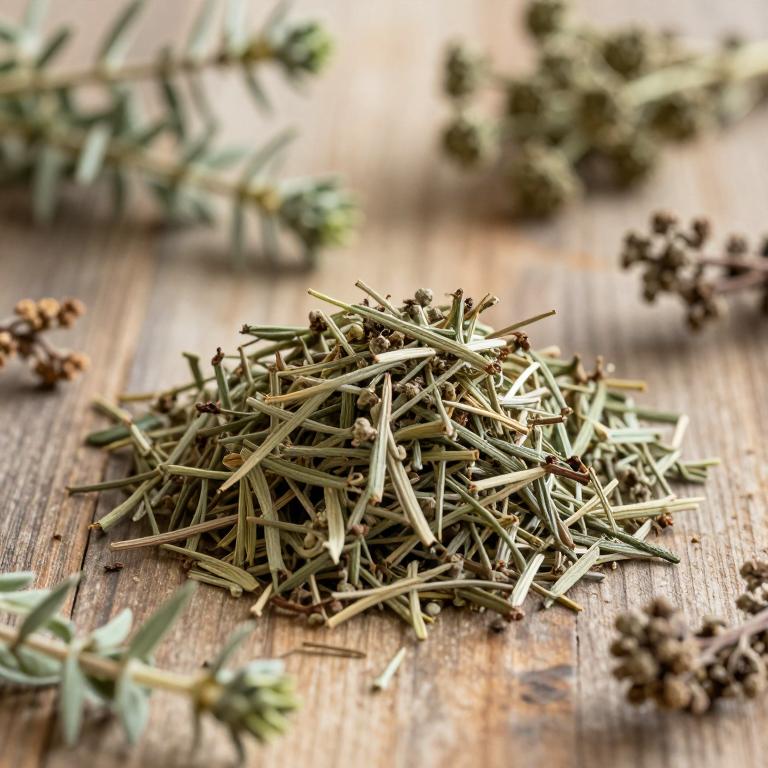
Thymus saturejoides, scientifically known as Thymus saturejoides, is a resilient medicinal shrub native to specific Mediterranean climates. Renowned for its aromatic leaves, this plant contains potent essential oils with antimicrobial and antioxidant properties. It is traditionally utilized in herbal remedies to support respiratory health and bolster the immune system.
- Family
- Not available
- Native range
- Africa
- Parts used
- Not available
- Common names
- Not available
- Scientific synonyms
- Not available
Names and Synonyms
Scientific Names
Accepted name
Thymus saturejoidesDistribution
This plant, Thymus saturiejoides, exhibits a specific geographical distribution limited to the northern regions of the African continent. Its presence is primarily documented within the borders of Algeria, where it adapts to the local environment. Additionally, this medicinal species can be found growing naturally in Morocco. These two countries represent the core areas where the plant thrives in the wild. Consequently, its habitat is concentrated within these specific North African territories.
| Region | Area |
|---|---|
| Northern Africa | Algeria |
| Northern Africa | Morocco |
Sources: The World Checklist of Vascular Plants (WCVP)
Botanical Identification
Life history
The life history of Thymus saturiejoides is characterized by its specialized growth habit and survival strategies within its native ecological niche. As a perennial species, its structural development is defined by its classification as a chamaephyte, a life form that dictates its ability to withstand environmental stressors by keeping its buds close to the ground. Specifically, its biological architecture aligns with the chamaephyte designation, meaning the majority of its photosynthetic and reproductive organs remain near the soil surface, often protected by leaf litter or the substrate itself. This positioning allows the plant to endure seasonal fluctuations and potentially harsh climatic conditions by minimizing exposure to wind and temperature extremes. Through this life strategy, Thymus saturiejoides maintains a persistent presence in its habitat, utilizing its low-growing, woody structure to occupy stable microenvironments.
- Life form :
- chamaephyte
Morphology
The morphology of Thymus saturiejuoides is characterized by its growth habit as a self-supporting plant, lacking the structural mechanisms required to function as an obligatory or facultative climber. It maintains its upright or spreading stature independently without the need for external support. Furthermore, the species is an independent organism, exhibiting no parasitic tendencies toward host plants, and it follows a strictly terrestrial life cycle, meaning it grows in soil rather than occupying an epiphytic niche.
- Climber :
- self-supporting
- Epiphyte :
- terrestrial
- Parasite :
- independent
Sources: Global Inventory of Floras and Traits (GIFT)
Chemicals
Thymus saturejoides has 24 reported phytochemicals identified across 0 scientific publications and several other databases. The most consistently reported chemicals include 3-OCTANOL, ALPHA-PINENE, Alpha terpinene, BETA-PINENE, BORNYL ACETATE.
| Chemical | Supporting sources | Consensus |
|---|---|---|
| 3-OCTANOL | 1 supporting sources | ★☆☆☆☆ |
| ALPHA-PINENE | 1 supporting sources | ★☆☆☆☆ |
| Alpha terpinene | 1 supporting sources | ★☆☆☆☆ |
| BETA-PINENE | 1 supporting sources | ★☆☆☆☆ |
| BORNYL ACETATE | 1 supporting sources | ★☆☆☆☆ |
| Borneol | 1 supporting sources | ★☆☆☆☆ |
| CAMPHENE | 1 supporting sources | ★☆☆☆☆ |
| CARVACROL | 1 supporting sources | ★☆☆☆☆ |
| Dihydrocarvone | 1 supporting sources | ★☆☆☆☆ |
| GAMMA-TERPINENE | 1 supporting sources | ★☆☆☆☆ |
3-OCTANOL
- Dr. Duke
ALPHA-PINENE
- Dr. Duke
Alpha terpinene
- Dr. Duke
BETA-PINENE
- Dr. Duke
BORNYL ACETATE
- Dr. Duke
Borneol
- Dr. Duke
CAMPHENE
- Dr. Duke
CARVACROL
- Dr. Duke
Dihydrocarvone
- Dr. Duke
GAMMA-TERPINENE
- Dr. Duke
Activities
Thymus saturejoides has 182 reported activities identified across 0 scientific publications and several other databases. The most consistently reported activities include (-)-Chronotropic, (-)-Inotropic, ACE-Inhibitor, AChE-Inhibitor, Acaricide.
| Activity | Supporting sources | Consensus |
|---|---|---|
| (-)-Chronotropic | 1 supporting sources | ★☆☆☆☆ |
| (-)-Inotropic | 1 supporting sources | ★☆☆☆☆ |
| ACE-Inhibitor | 1 supporting sources | ★☆☆☆☆ |
| AChE-Inhibitor | 1 supporting sources | ★☆☆☆☆ |
| Acaricide | 1 supporting sources | ★☆☆☆☆ |
| Aldose-Reductase-Inhibitor | 1 supporting sources | ★☆☆☆☆ |
| Allelochemic | 1 supporting sources | ★☆☆☆☆ |
| Allelopathic | 1 supporting sources | ★☆☆☆☆ |
| Allergenic | 1 supporting sources | ★☆☆☆☆ |
| Analgesic | 1 supporting sources | ★☆☆☆☆ |
(-)-Chronotropic
- Dr. Duke
(-)-Inotropic
- Dr. Duke
ACE-Inhibitor
- Dr. Duke
AChE-Inhibitor
- Dr. Duke
Acaricide
- Dr. Duke
Aldose-Reductase-Inhibitor
- Dr. Duke
Allelochemic
- Dr. Duke
Allelopathic
- Dr. Duke
Allergenic
- Dr. Duke
Analgesic
- Dr. Duke