Thymus riatarum
Thymus riatarum · Accepted scientific name
Scientific literature: Very Extensive (238 studies) · ★★★★★
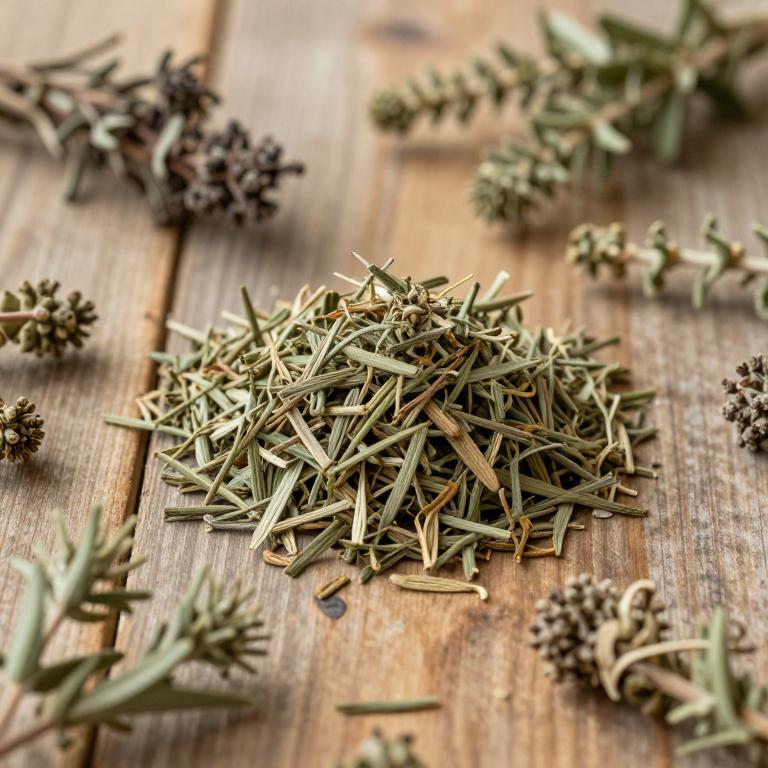
Thymus riatarum, scientifically known as Thymus riatarum, is a distinctive medicinal herb celebrated for its potent aromatic properties. Native to specific mountainous terrains, this plant contains essential oils with significant antimicrobial and antioxidant qualities. It serves as a valuable resource in traditional medicine for supporting respiratory and digestive health.
- Family
- Not available
- Native range
- Africa
- Parts used
- Not available
- Common names
- Not available
- Scientific synonyms
- Not available
Names and Synonyms
Scientific Names
Accepted name
Thymus riatarumDistribution
This plant is characterized by a very specific and limited geographical range. It is found exclusively within the region of Northern Africa. Specifically, its natural habitat is located in the country of Morocco. This localized distribution suggests that the species is endemic to this particular territory. Consequently, the plant's survival is closely tied to the unique environmental conditions of the Moroccan landscape.
| Region | Area |
|---|---|
| Northern Africa | Morocco |
Sources: The World Checklist of Vascular Plants (WCVP)
Botanical Identification
Life history
The life history of Thymus riatarum is characterized by its classification as a chamaephyte, a growth form where the perennating buds are located close to the soil surface, often just above it. Within the specific ecological frameworks of life form categorization, it is identified as a chamaephyte, indicating its ability to survive seasonal variations by maintaining its vital organs near the ground level. This life history strategy allows the plant to thrive in its specific niche, utilizing its low-growing structure to withstand environmental stressors while maintaining a perennial presence in its habitat.
- Life form :
- chamaephyte
Morphology
The morphology of Thymus riatarum is characterized by its distinct growth habit and ecological positioning. It functions as a self-supporting climber, utilizing its structural form to maintain an upright or spreading presence without relying on external hosts for physical stability. In terms of its nutritional strategy, the plant is entirely independent, exhibiting no parasitic behavior toward other organisms. Furthermore, its life cycle is strictly terrestrial, as it lacks epiphytic tendencies and grows directly within soil-based substrates rather than on the surfaces of other plants.
- Climber :
- self-supporting
- Epiphyte :
- terrestrial
- Parasite :
- independent
Sources: Global Inventory of Floras and Traits (GIFT)
Chemicals
Thymus riatarum has 41 reported phytochemicals identified across 0 scientific publications and several other databases. The most consistently reported chemicals include 1-OCTEN-3-OL, 3-OCTANOL, ALPHA-PHELLANDRENE, ALPHA-PINENE, ALPHA-THUJENE.
| Chemical | Supporting sources | Consensus |
|---|---|---|
| 1-OCTEN-3-OL | 1 supporting sources | ★☆☆☆☆ |
| 3-OCTANOL | 1 supporting sources | ★☆☆☆☆ |
| ALPHA-PHELLANDRENE | 1 supporting sources | ★☆☆☆☆ |
| ALPHA-PINENE | 1 supporting sources | ★☆☆☆☆ |
| ALPHA-THUJENE | 1 supporting sources | ★☆☆☆☆ |
| Alpha terpinene | 1 supporting sources | ★☆☆☆☆ |
| BETA-CARYOPHYLLENE | 1 supporting sources | ★☆☆☆☆ |
| BETA-PHELLANDRENE | 1 supporting sources | ★☆☆☆☆ |
| BETA-PINENE | 1 supporting sources | ★☆☆☆☆ |
| BORNYL ACETATE | 1 supporting sources | ★☆☆☆☆ |
1-OCTEN-3-OL
- Dr. Duke
3-OCTANOL
- Dr. Duke
ALPHA-PHELLANDRENE
- Dr. Duke
ALPHA-PINENE
- Dr. Duke
ALPHA-THUJENE
- Dr. Duke
Alpha terpinene
- Dr. Duke
BETA-CARYOPHYLLENE
- Dr. Duke
BETA-PHELLANDRENE
- Dr. Duke
BETA-PINENE
- Dr. Duke
BORNYL ACETATE
- Dr. Duke
Activities
Thymus riatarum has 197 reported activities identified across 0 scientific publications and several other databases. The most consistently reported activities include (-)-Chronotropic, (-)-Inotropic, ACE-Inhibitor, AChE-Inhibitor, Abortifacient.
| Activity | Supporting sources | Consensus |
|---|---|---|
| (-)-Chronotropic | 1 supporting sources | ★☆☆☆☆ |
| (-)-Inotropic | 1 supporting sources | ★☆☆☆☆ |
| ACE-Inhibitor | 1 supporting sources | ★☆☆☆☆ |
| AChE-Inhibitor | 1 supporting sources | ★☆☆☆☆ |
| Abortifacient | 1 supporting sources | ★☆☆☆☆ |
| Acaricide | 1 supporting sources | ★☆☆☆☆ |
| Aldose-Reductase-Inhibitor | 1 supporting sources | ★☆☆☆☆ |
| Allelochemic | 1 supporting sources | ★☆☆☆☆ |
| Allelopathic | 1 supporting sources | ★☆☆☆☆ |
| Allergenic | 1 supporting sources | ★☆☆☆☆ |
(-)-Chronotropic
- Dr. Duke
(-)-Inotropic
- Dr. Duke
ACE-Inhibitor
- Dr. Duke
AChE-Inhibitor
- Dr. Duke
Abortifacient
- Dr. Duke
Acaricide
- Dr. Duke
Aldose-Reductase-Inhibitor
- Dr. Duke
Allelochemic
- Dr. Duke
Allelopathic
- Dr. Duke
Allergenic
- Dr. Duke