Thymus praecox subsp. caucasicus
Thymus praecox subsp. caucasicus · Accepted scientific name
Scientific literature: Very Sparse (1 studies) · ★☆☆☆☆
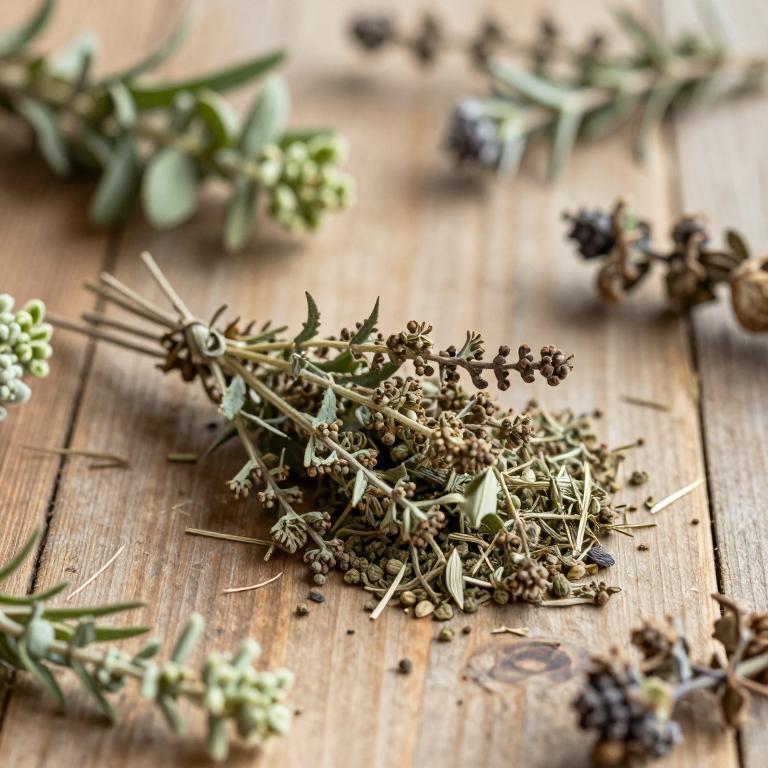
Thymus praecox subsp. caucasicus is a resilient perennial herb native to the rugged mountainous regions of the Caucasus. This specific subspecies is highly valued in pharmacological research due to its potent bioactive properties. Scientific investigations have specifically highlighted its significant capacity for free-radical scavenging, which helps combat oxidative stress. Researchers often focus on extracting its essential oils to harness these powerful antioxidant effects for various therapeutic applications. Consequently, this plant serves as a vital subject in the ongoing study of natural medicinal compounds.
- Synonyms
- Thymus Caucasicus · Thymus Caucasicus Var. Medvedewii · 1 more
- Common names
- Not available
- Family
- Lamiaceae
- Distribution
- Not available
- Plant Parts
- Not available
Classification
Synonyms
Thymus praecox subsp. caucasicus is a botanical taxon that is frequently identified by several different names in scientific literature. One primary synonym used to describe this specific plant is Thymus caucasicus. Furthermore, the classification has also been documented under the name Thymus caucasicus var. medvedewii. Another recognized synonym for this subspecies is Thymus praecox var. medvedewii, which can lead to occasional confusion for researchers. Understanding these various nomenclatural relationships is essential for accurate identification and botanical study.
Sources: The World Checklist of Vascular Plants (WCVP)
Taxonomy
Thymus praecox subsp. caucasicus is a distinct botanical specimen belonging to the kingdom Plantae. Within this vast kingdom, it is classified under the class Equisetopsida. Its taxonomic journey continues through the order Lamiales, which helps define its structural characteristics. Furthermore, this plant is a member of the Lamiaceae family, a group known for its aromatic qualities. Ultimately, it is categorized under the specific genus Thymus, highlighting its unique place in the natural world.
| Rank | Classification |
|---|---|
| Kingdom | Plantae |
| Phylum | Streptophyta |
| Class | Equisetopsida |
| Subclass | Magnoliidae |
| Order | Lamiales |
| Family | Lamiaceae |
| Genus | Thymus |
Sources: The World Checklist of Vascular Plants (WCVP)
Distribution
Geographic Regions
Thymus praecox subsp. caucasicus is a specialized botanical variety with a distinct geographic footprint across the Asia-Temperate region. Its natural habitat is primarily concentrated within the rugged landscapes of the Caucasus and the Transcaucasus. Furthermore, the plant extends its reach into the North Caucasus, thriving in these specific environmental niches. The distribution also encompasses parts of Western Asia, particularly within the borders of Türkiye. Together, these regions define the unique ecological range of this particular subspecies.
Sources: The World Checklist of Vascular Plants (WCVP)
Identification
Biological Activities
Thymus praecox subsp. caucasicus exhibits significant biological potential through its unique chemical composition and therapeutic properties. Research indicates that the essential oils derived from its aerial parts possess notable free-radical scavenging activity. This antioxidant capability was specifically assessed using the DPPH radical scavenging assay to determine its efficacy. In addition to these antioxidant effects, the plant also demonstrates effective antibacterial properties. These combined characteristics highlight the multifaceted medicinal value of this specific subspecies within the Thymus genus.
Compounds
Conditions
Thymus praecox subsp. caucasicus possesses essential oils that demonstrate significant antibacterial activity through the measurement of minimum inhibitory concentrations. The plant also exhibits potent antioxidant properties as evidenced by its ability to perform free radical scavenging. These biological activities were specifically assessed using the DPPH radical scavenging assay and the broth dilution method. The presence of various chemical constituents in the oil contributes to these dual therapeutic capabilities. Ultimately, the essential oils from this species effectively treat oxidative stress and bacterial threats.
Preparations
Thymus praecox subsp. caucasicus is prepared as essential oils through the process of hydrodistillation of its aerial parts. These extracted oils contain a diverse profile of volatile constituents, including 1,8-cineol, thymol, and beta-fenchyl alcohol. Detailed chemical analysis via GC and GC/MS identified twenty specific compounds that represent nearly 95% of the oil's composition. Beyond their chemical makeup, these prepared oils exhibit significant antioxidant properties through free radical scavenging. Furthermore, the essential oils demonstrate measurable antibacterial activity when tested using the broth dilution method.