Thymus pallidus
Thymus pallidus · Accepted scientific name
Scientific literature: Very Sparse (13 studies) · ★☆☆☆☆
Thymus pallidus, scientifically known as Thymus pallidus, is a delicate perennial herb belonging to the Lamiaceae family. Native to specific Mediterranean terrains, this aromatic plant is prized for its unique essential oils. It offers significant therapeutic potential, particularly for its antimicrobial, antioxidant, and soothing properties in traditional herbal medicine.
- Family
- Lamiaceae
- Native range
- Africa
- Parts used
- Not available
- Common names
- Not available
- Scientific synonyms
- Not available
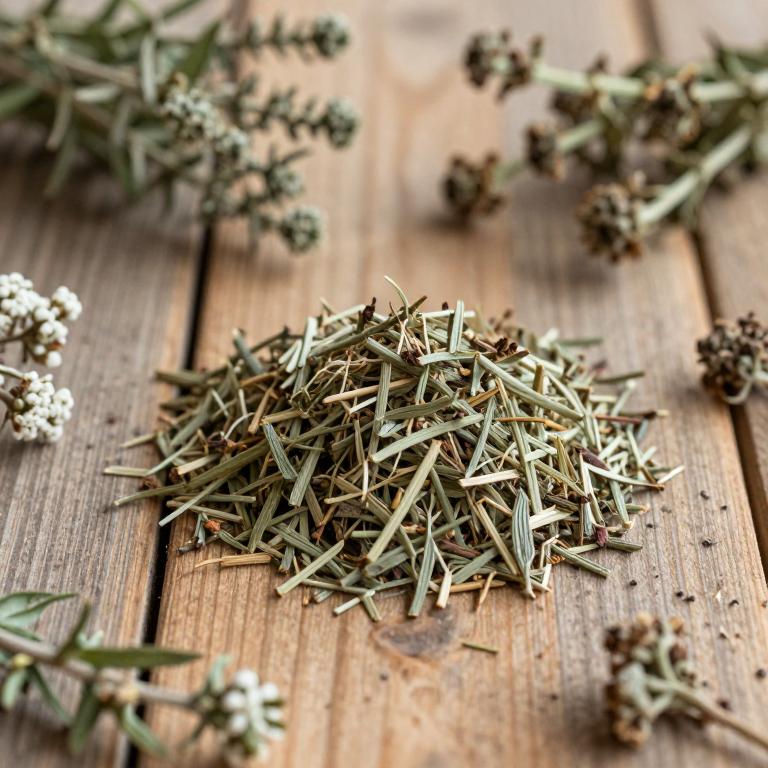
Names and Synonyms
Scientific Names
Accepted name
Thymus pallidusSources: Wikidata
Taxonomical Classification
This plant belongs to the kingdom Plantae and the phylum Streptophyta, falling under the class Equisetopsida and subclass Magnoliidae. Within the order Lamiales and the family Lamiaceae, it is classified under the genus Thymus.
| Rank | Classification |
|---|---|
| Kingdom | Plantae |
| Phylum | Streptophyta |
| Class | Equisetopsida |
| Subclass | Magnoliidae |
| Order | Lamiales |
| Family | Lamiaceae |
| Genus | Thymus |
Sources: The World Checklist of Vascular Plants (WCVP)
Distribution
This plant, known scientifically as Thymus pallidus, exhibits a specific distribution within the North African region. Its natural habitat is primarily concentrated in the northernmost parts of the African continent. Specifically, documented populations can be found growing within the borders of Algeria. Additionally, this medicinal species is also native to the landscapes of Morocco. Consequently, its geographical range is limited to these two specific Mediterranean countries.
| Region | Area |
|---|---|
| Northern Africa | Algeria |
| Northern Africa | Morocco |
Sources: The World Checklist of Vascular Plants (WCVP)
Chemicals
Thymus pallidus has 2 reported phytochemicals identified across 0 scientific publications and several other databases. The most consistently reported chemicals include P-CYMENE, THYMOL.
| Chemical | Supporting sources | Consensus |
|---|---|---|
| P-CYMENE | 1 supporting sources | ★☆☆☆☆ |
| THYMOL | 1 supporting sources | ★☆☆☆☆ |
P-CYMENE
- International journal of pharmaceutics
THYMOL
- International journal of pharmaceutics
Activities
Thymus pallidus has 4 reported activities identified across 0 scientific publications and several other databases. The most consistently reported activities include Analgesic, Antimicrobial, Antioxidant, Hemolytic.
| Activity | Supporting sources | Consensus |
|---|---|---|
| Analgesic | 1 supporting sources | ★☆☆☆☆ |
| Antimicrobial | 1 supporting sources | ★☆☆☆☆ |
| Antioxidant | 1 supporting sources | ★☆☆☆☆ |
| Hemolytic | 1 supporting sources | ★☆☆☆☆ |
Analgesic
- Plants (Basel, Switzerland)
Antimicrobial
- International journal of pharmaceutics
Antioxidant
- Plants (Basel, Switzerland)
Hemolytic
- Plants (Basel, Switzerland)
Conditions
Thymus pallidus has 7 reported investigations on conditions identified across 0 scientific publications and several other databases. The most consistently reported conditions include Analgesic, Bacillus subtilis, E. coli, Klebsiella pneumoniae, Staphylococcus aureus.
| Condition | Supporting sources | Consensus |
|---|---|---|
| Analgesic | 1 supporting sources | ★☆☆☆☆ |
| Bacillus subtilis | 1 supporting sources | ★☆☆☆☆ |
| E. coli | 1 supporting sources | ★☆☆☆☆ |
| Klebsiella pneumoniae | 1 supporting sources | ★☆☆☆☆ |
| Staphylococcus aureus | 1 supporting sources | ★☆☆☆☆ |
| Antioxidant | 1 supporting sources | ★☆☆☆☆ |
| Biofilm | 1 supporting sources | ★☆☆☆☆ |
Analgesic
- Plants (Basel, Switzerland)
Bacillus subtilis
- International journal of pharmaceutics
E. coli
- Current microbiology
Klebsiella pneumoniae
- International journal of pharmaceutics
Staphylococcus aureus
- International journal of pharmaceutics
Antioxidant
- Plants (Basel, Switzerland)
Biofilm
- International journal of pharmaceutics
Preparations
Thymus pallidus has 1 reported preparations identified across 0 scientific publications and several other databases. The most consistently reported preparations include EOs.
| Preparation | Supporting sources | Consensus |
|---|---|---|
| Eos | 1 supporting sources | ★☆☆☆☆ |
Eos
- Current microbiology