Thymus longiflorus
Thymus longiflorus · Accepted scientific name
Scientific literature: Very Sparse (2 studies) · ★☆☆☆☆
Thymus longiflorus, scientifically known as Thymus longiflorus, is a captivating medicinal herb native to specific Mediterranean-style climates. Characterized by its delicate, long-flowered blooms and aromatic foliage, this plant offers potent antimicrobial and antioxidant properties, making it a valuable resource in traditional herbalism and modern botanical studies alike.
- Family
- Lamiaceae
- Native range
- Europe
- Parts used
- Not available
- Common names
- Not available
- Scientific synonyms
- Thymus Cephalotos Subsp. Longiflorus · Origanum Longiflorum
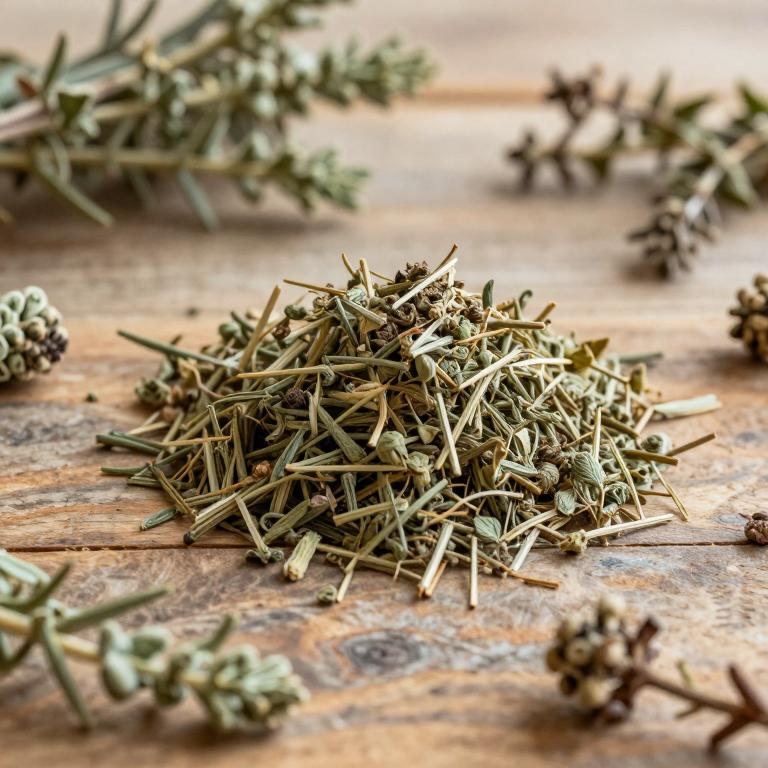
Names and Synonyms
Scientific Names
Accepted name
Thymus longiflorusSynonyms
- Thymus cephalotos subsp. longiflorus
- Origanum longiflorum
Sources: Wikidata, Catalogue of Life
Taxonomical Classification
This plant belongs to the kingdom Plantae and is classified under the phylum Streptophyta and class Equisetopsida. Within the subclass Magnoliidae, it is situated in the order Lamiales and the family Lamiaceae. Finally, it is identified by its genus classification as Thymus.
| Rank | Classification |
|---|---|
| Kingdom | Plantae |
| Phylum | Streptophyta |
| Class | Equisetopsida |
| Subclass | Magnoliidae |
| Order | Lamiales |
| Family | Lamiaceae |
| Genus | Thymus |
Sources: The World Checklist of Vascular Plants (WCVP)
Distribution
This plant is characterized by a very specific and limited geographical range. It is primarily found within the Mediterranean region of Southwestern Europe. Specifically, its natural habitat is centered in the country of Spain. Because of this narrow distribution, it is considered an endemic species to that particular area. Consequently, understanding its local environment is essential for its conservation.
| Region | Area |
|---|---|
| Southwestern Europe | Spain |
Sources: The World Checklist of Vascular Plants (WCVP)
Botanical Identification
Life history
The life history of Thymus longiflorus is characterized by its classification as a chamaephyte, a life form that dictates its survival strategy through low-growing, perennial growth patterns. Specifically, it functions as a chamaephyte within the broader botanical categorization, meaning its perennating buds are located close to or just above the soil surface, protected by the ground layer or leaf litter. This growth habit allows the plant to withstand environmental stressors by maintaining a compact stature. As a chamaephyte, its life cycle involves navigating seasonal changes by keeping its vital reproductive and vegetative structures in a low-profile position, ensuring persistence across multiple growing seasons within its specific ecological niche.
- Life form :
- chamaephyte
Morphology
The morphology of Thymus longiflorus is characterized by its growth habit and ecological positioning. It functions as a self-supporting climber, relying on its own structural integrity for vertical orientation rather than requiring external hosts for support. In terms of its nutritional strategy, the plant is an independent organism, showing no parasitic tendencies and maintaining its own metabolic processes. Furthermore, its ecological niche is defined as terrestrial, as it grows directly in the soil rather than existing as an epiphyte.
- Climber :
- self-supporting
- Epiphyte :
- terrestrial
- Parasite :
- independent
Sources: Global Inventory of Floras and Traits (GIFT)
Activities
Thymus longiflorus has 2 reported activities identified across 0 scientific publications and several other databases. The most consistently reported activities include Antioxidant, Antiviral.
| Activity | Supporting sources | Consensus |
|---|---|---|
| Antioxidant | 1 supporting sources | ★☆☆☆☆ |
| Antiviral | 1 supporting sources | ★☆☆☆☆ |
Antioxidant
- Foods (Basel, Switzerland)
Antiviral
- Foods (Basel, Switzerland)
Preparations
Thymus longiflorus has 1 reported preparations identified across 0 scientific publications and several other databases. The most consistently reported preparations include Hydroethanolic Extracts.
| Preparation | Supporting sources | Consensus |
|---|---|---|
| Hydroethanolic extracts | 1 supporting sources | ★☆☆☆☆ |
Hydroethanolic extracts
- Foods (Basel, Switzerland)