Thymus leptophyllus
Thymus leptophyllus · Accepted scientific name
Scientific literature: Very Sparse (0 studies) · ★☆☆☆☆
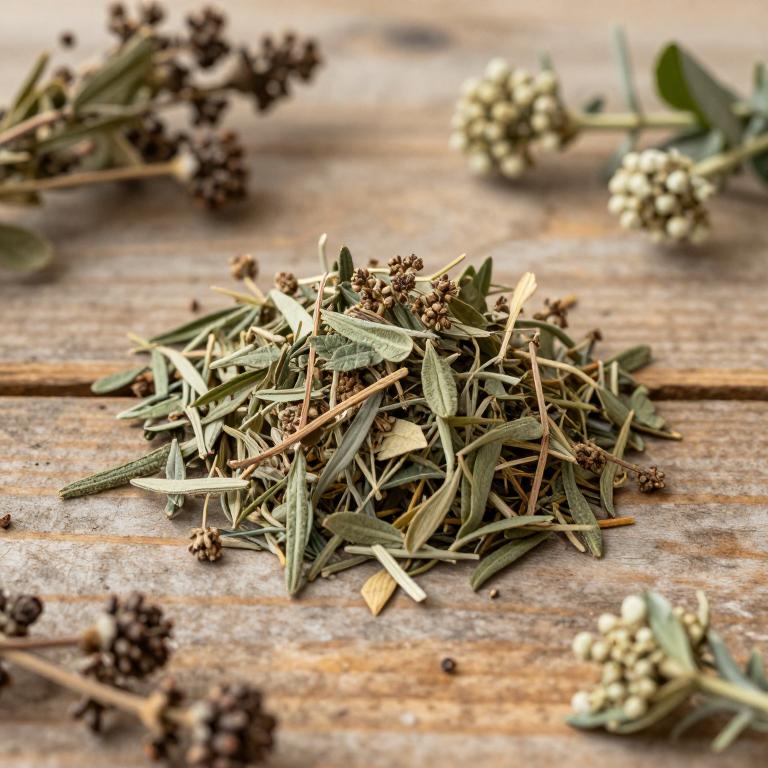
Thymus leptophyllus is a specialized species of thyme known for its distinct botanical characteristics and unique chemical profile. Researchers have focused on this plant to explore its potential therapeutic applications through various scientific methods. One significant method involves the production of a diethylether extract to isolate its bioactive compounds. This specific preparation allows for a concentrated study of the plant's secondary metabolites and their biological effects. Understanding these extracts is essential for uncovering the full medicinal value held within this species.
- Synonyms
- Thymus Serpyllum Subsp. Leptophyllus · Thymus Leptophyllus Subsp. Leptophyllus
- Common names
- Not available
- Family
- Lamiaceae
- Distribution
- Asia-Tropical
- Plant Parts
- Not available
Classification
Synonyms
Thymus leptophyllus is a botanical subject characterized by complex taxonomic connections that reflect its diverse classification history. Scientific literature identifies several synonyms for this species, including its designation as Thymus leptophyllus subsp. leptophyllus. Furthermore, it is also recognized under the synonym Thymus serpyllum subsp. leptophyllus in certain botanical contexts. These overlapping names highlight the intricate ways in which researchers have categorized this plant over time. Understanding these relationships is essential for ensuring accuracy in both academic study and practical horticulture.
Sources: The World Checklist of Vascular Plants (WCVP)
Taxonomy
Thymus leptophyllus is a distinctive member of the kingdom Plantae. This species belongs to the genus Thymus, which places it within a well-known group of aromatic herbs. More specifically, it is categorized under the family Lamiaceae and the order Lamiales. Its biological classification further identifies it as part of the class Equisetopsida. Understanding these taxonomic relationships provides essential insight into the botanical identity of this plant.
| Rank | Classification |
|---|---|
| Kingdom | Plantae |
| Phylum | Streptophyta |
| Class | Equisetopsida |
| Subclass | Magnoliidae |
| Order | Lamiales |
| Family | Lamiaceae |
| Genus | Thymus |
Sources: The World Checklist of Vascular Plants (WCVP)
Distribution
Geographic Regions
Thymus leptophyllus is a specialized plant species primarily characterized by its specific geographical footprint. Its distribution is concentrated within Europe, where it finds ideal niches for growth. A significant portion of its natural habitat is located throughout Southwestern Europe, thriving in the unique climates of the region. Spain, in particular, serves as a key area where this plant can be frequently observed in the wild. Understanding these spatial relationships is essential for anyone studying the botanical diversity of the Mediterranean landscape.
Sources: The World Checklist of Vascular Plants (WCVP)
Identification
Morphology
Thymus leptophyllus grows in a distinctive subshrub form that allows it to flourish in its natural habitat. This resilient plant is entirely self-supporting, maintaining its structure without the need for external assistance.
Sources: Global Inventory of Floras and Traits (GIFT)
Biological Activities
Compounds
Conditions
Thymus leptophyllus extract demonstrates significant relaxant activity on both aorta strip and uterine smooth muscle. Research indicates that the diethylether extract is more potent when applied to uterine smooth muscle than to aorta strips. In the case of the rat uterus, the extract maintains similar inhibitory effects regardless of the presence of extracellular calcium. When testing aorta strips, the extract inhibits contractile responses induced by K+ depolarizing solutions. Furthermore, the extract reduces calcium release induced by noradrenaline in calcium-free solutions, directly affecting the physiological response of the aorta strip smooth muscle.
Preparations
Thymus leptophyllus is prepared as a diethylether extract for pharmacological testing. This specific extract was evaluated for its physiological effects on rat uterine and aorta strip smooth muscle. During the study, the diethylether extract demonstrated higher activity on uterine smooth muscle compared to aorta strips. Researchers utilized this preparation to investigate relaxant activities and contractile responses in various chemical environments. Ultimately, the diethylether extract of Thymus leptophyllus served as the primary agent for observing calcium-related inhibitory effects.