Thymus funkii
Thymus funkii · Accepted scientific name
Scientific literature: Very Extensive (386 studies) · ★★★★★
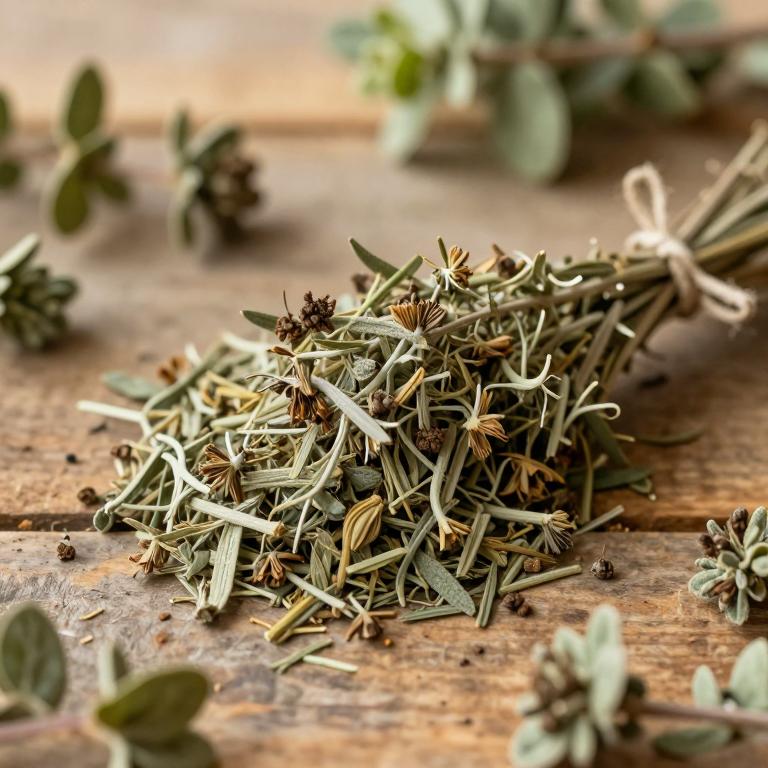
Thymus funkii, scientifically known as Thymus funkii, is a resilient, aromatic perennial herb native to rocky terrains. Renowned for its delicate flowering structure and potent essential oils, this medicinal plant offers significant therapeutic potential, particularly for its antimicrobial and antioxidant properties used in traditional and modern herbal wellness.
- Family
- Not available
- Native range
- Europe
- Parts used
- Not available
- Common names
- Not available
- Scientific synonyms
- Not available
Names and Synonyms
Scientific Names
Accepted name
Thymus funkiiDistribution
This plant is characterized by a very restricted geographical range. Specifically, its natural habitat is limited to the southwestern region of Europe. Within this territory, it can be found growing natively in Spain. Because of this specific localization, it is considered a geographically rare species. Consequently, its distribution remains confined to very particular environmental niches within the Iberian Peninsula.
| Region | Area |
|---|---|
| Southwestern Europe | Spain |
Sources: The World Checklist of Vascular Plants (WCVP)
Botanical Identification
Life history
The life history of Thymus funkii is characterized by its classification as a chamaephyte, a growth form that dictates its survival strategy in often harsh or exposed environments. Specifically, its life form is defined as a chamaephyte, meaning its perennating buds are located close to the soil surface, often just above it, which provides protection against temperature fluctuations and physical damage. This physiological positioning allows the plant to maintain a perennial existence, effectively navigating seasonal changes by sheltering its vital buds near the ground. As a chamaephyte, it avoids the vulnerability of higher growth forms while maintaining enough stature to compete for light and facilitate reproductive processes, ensuring a stable and long-term presence within its ecological niche.
- Life form :
- chamaephyte
Morphology
The morphology of Thymus funkii is characterized by its growth habit as a self-supporting plant, meaning it does not rely on other structures for vertical ascent through climbing mechanisms. It functions as an independent organism, exhibiting no parasitic behavior toward host plants, and maintains a strictly terrestrial existence rather than growing as an epiphyte.
- Climber :
- self-supporting
- Epiphyte :
- terrestrial
- Parasite :
- independent
Sources: Global Inventory of Floras and Traits (GIFT)
Chemicals
Thymus funkii has 90 reported phytochemicals identified across 0 scientific publications and several other databases. The most consistently reported chemicals include 1,8-Cineole, 10-epi-gamma-Eudesmol, 3-OCTANOL, 7-epi-alpha-Eudesmol, ALPHA-ELEMOL.
| Chemical | Supporting sources | Consensus |
|---|---|---|
| 1,8-Cineole | 1 supporting sources | ★☆☆☆☆ |
| 10-epi-gamma-Eudesmol | 1 supporting sources | ★☆☆☆☆ |
| 3-OCTANOL | 1 supporting sources | ★☆☆☆☆ |
| 7-epi-alpha-Eudesmol | 1 supporting sources | ★☆☆☆☆ |
| ALPHA-ELEMOL | 1 supporting sources | ★☆☆☆☆ |
| ALPHA-PINENE | 1 supporting sources | ★☆☆☆☆ |
| ALPHA-THUJENE | 1 supporting sources | ★☆☆☆☆ |
| Allo-Aromadendrene | 1 supporting sources | ★☆☆☆☆ |
| BETA-CARYOPHYLLENE | 1 supporting sources | ★☆☆☆☆ |
| BETA-ELEMENE | 1 supporting sources | ★☆☆☆☆ |
1,8-Cineole
- Dr. Duke
10-epi-gamma-Eudesmol
- Dr. Duke
3-OCTANOL
- Dr. Duke
7-epi-alpha-Eudesmol
- Dr. Duke
ALPHA-ELEMOL
- Dr. Duke
ALPHA-PINENE
- Dr. Duke
ALPHA-THUJENE
- Dr. Duke
Allo-Aromadendrene
- Dr. Duke
BETA-CARYOPHYLLENE
- Dr. Duke
BETA-ELEMENE
- Dr. Duke
Activities
Thymus funkii has 267 reported activities identified across 0 scientific publications and several other databases. The most consistently reported activities include (-)-Chronotropic, (-)-Inotropic, ACE-Inhibitor, AChE-Inhibitor, Abortifacient.
| Activity | Supporting sources | Consensus |
|---|---|---|
| (-)-Chronotropic | 1 supporting sources | ★☆☆☆☆ |
| (-)-Inotropic | 1 supporting sources | ★☆☆☆☆ |
| ACE-Inhibitor | 1 supporting sources | ★☆☆☆☆ |
| AChE-Inhibitor | 1 supporting sources | ★☆☆☆☆ |
| Abortifacient | 1 supporting sources | ★☆☆☆☆ |
| Acaricide | 1 supporting sources | ★☆☆☆☆ |
| Aldose-Reductase-Inhibitor | 1 supporting sources | ★☆☆☆☆ |
| Allelochemic | 1 supporting sources | ★☆☆☆☆ |
| Allelopathic | 1 supporting sources | ★☆☆☆☆ |
| Allergenic | 1 supporting sources | ★☆☆☆☆ |
(-)-Chronotropic
- Dr. Duke
(-)-Inotropic
- Dr. Duke
ACE-Inhibitor
- Dr. Duke
AChE-Inhibitor
- Dr. Duke
Abortifacient
- Dr. Duke
Acaricide
- Dr. Duke
Aldose-Reductase-Inhibitor
- Dr. Duke
Allelochemic
- Dr. Duke
Allelopathic
- Dr. Duke
Allergenic
- Dr. Duke